








Submit your info or message us on Zalo or Messenger

HIV Testing
169,000đ
- Free Consultations from Medical Experts:
– Chat with us in English or Vietnamese and get a response in just 2–3 minutes.
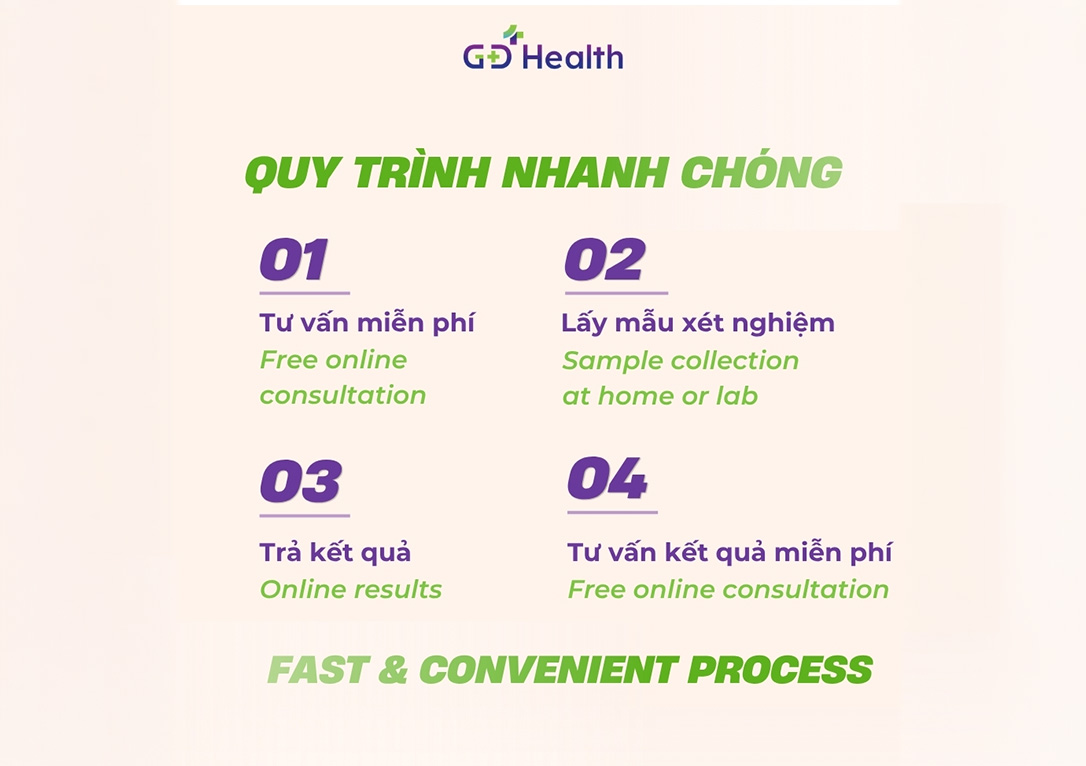
– HIV risk assessment and testing recommendation by medical experts - Fast & Convenient: Specimen collection is available at our 53 Nationwide Lab Centers ➔, at your home, or any private location of your choice.
- 100% Confidential: Your personal data and results are strictly confidential.
1. What is HIV testing?
Testing for HIV determines if a person has acquired HIV. HIV is the virus that causes AIDS, which is the third and most advanced stage of HIV infection. HIV testing can detect if you have HIV, but it cannot tell how long you have had HIV or what stage of HIV infection you are in.
2. Why is HIV testing important?
- First, an estimated 15 percent of people with HIV in the United States are unaware they have HIV, and the Centers for Disease Control and Prevention (CDC) estimates that about 40 percent of new HIV diagnoses are transmitted by those who are not aware of their HIV status. Knowing your HIV status can help keep you—and others—safe.
- Second, early identification and treatment of HIV is important to increase health and reduce related illnesses. Early and sustained treatment will help you live a long, healthy life.
3. What are the types of HIV tests?
There are three types of tests used to diagnose HIV: antibody tests, antigen/antibody tests, and nucleic acid tests (NATs). GD Health medical experts can determine the appropriate HIV test for you.
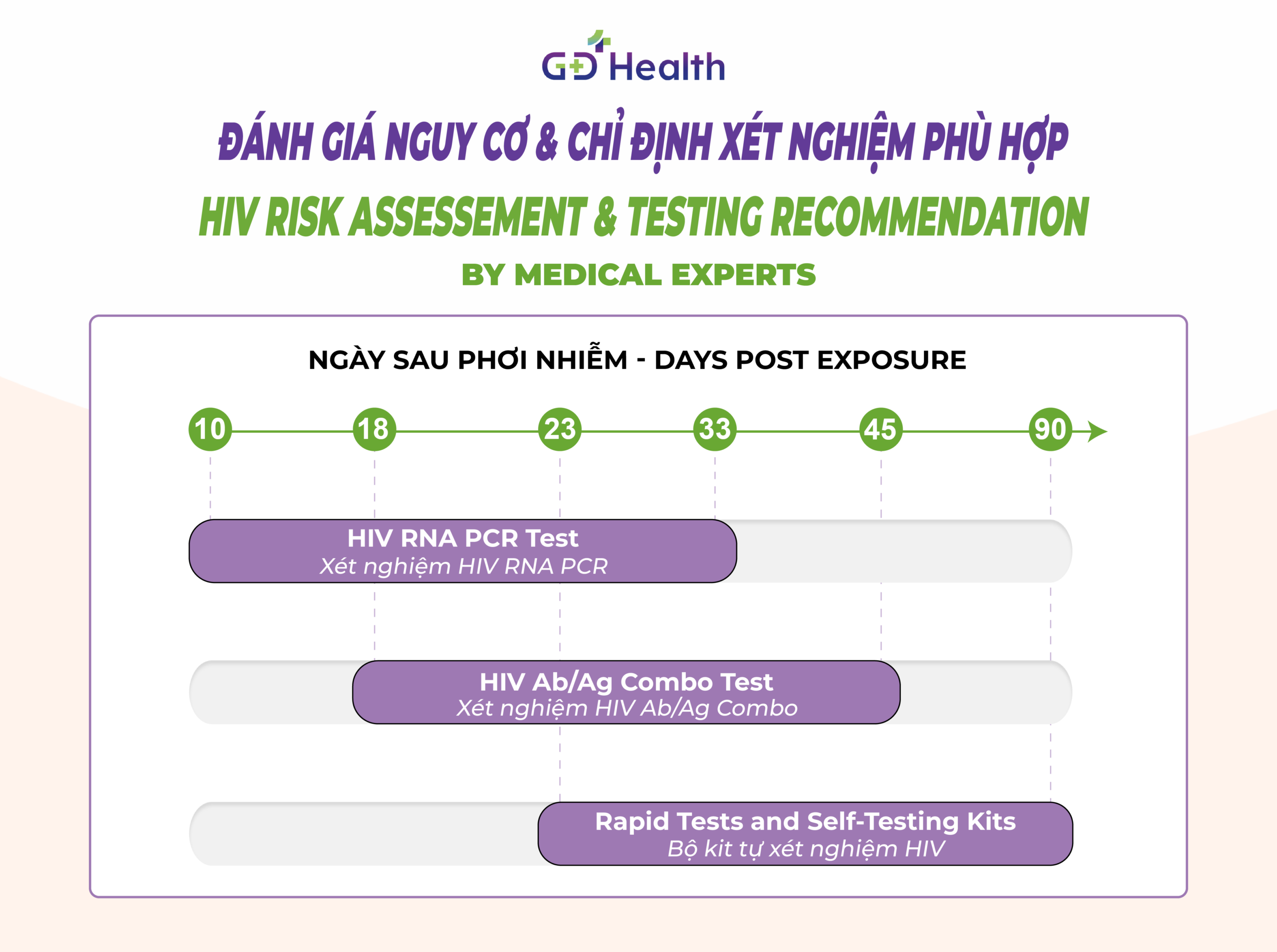
How soon each test can detect HIV infection differs, because each test has a different window period. The window period is the time between when a person may have been exposed to HIV and when a test can accurately detect HIV infection.
3.1 Nucleic Acid Test (NAT)
- How it works: Looks for the actual genetic material (RNA) of the virus in the blood and measures viral load.
- Sample type: Blood drawn from a vein.
- Window period: 10 to 33 days after exposure (the fastest detection method).
- Usage: Rarely used for routine screening due to high cost; mostly used for early-risk exposures with symptoms or to monitor treatment.
3.2 Antigen/Antibody Test (Combination/ 4th Generation)
- How it works: Checks for both HIV antibodies (proteins your immune system makes) and the p24 antigen (a viral protein that appears earlier than antibodies).
- Sample type: Lab blood drawn from a vein or a rapid finger prick.
- Window period: 18 to 45 days for lab tests using a vein; 18 to 90 days for finger-prick rapid tests.
- Usage: The most common type of test used for routine screening in clinics and laboratories
3.3. Antibody Test
- How it works: Looks strictly for HIV antibodies in blood or oral fluids.
- Sample type: Finger-prick blood or oral fluid/swab.
- Window period: 23 to 90 days after exposure.
- Usage: Most rapid point-of-care tests and at-home self-tests (like oral swab kits) fall into this category
A person’s initial HIV test will usually be an antigen/antibody test. NATs are not routinely used for HIV screening unless the person has had a high-risk exposure or a possible exposure with early symptoms of HIV infection.
When an HIV test is positive, a follow-up test will be conducted for confirmation to rule out inaccurate test results, known as a false positive result.
Contact us today for a free consultation!
Xem thêm
Tags: Bệnh xã hội, Gói xét nghiệm
Theo dõi
Đăng nhập
0 Góp ý
Cũ nhất