




Submit your info or message us on Zalo or Messenger
Can Genital Warts Be Cured by Ablation? Will They Recur?
Health bulletin
04/09/2025
1. What are Genital Warts?
Genital warts, also known as anogenital warts, are a sexually transmitted infection (STI) caused by the Human Papillomavirus (HPV), primarily the non-cancer-causing types like type 6 and 11. This virus spreads aggressively through unprotected sexual contact (vaginal, anal, or oral). Once infected, you will see manifestations such as tiny warts, which can develop into large, cauliflower-like masses, typically appearing on the genitals, anus, or mouth. These lesions may be painless but are highly contagious. It is important to remember that: Genital warts are a chronic viral infection. According to the U.S. Centers for Disease Control and Prevention (CDC), currently there is no medication capable of completely eliminating the HPV virus from the body. Current treatment methods are only aimed at removing the clinically visible wart lesions, not curing the virus at its root.
2. What is Genital Wart Ablation?
“Ablation” is a general term for surgical procedures used to remove warts on the skin and mucous membranes. The main goal is to destroy the HPV-infected cells to eliminate the lesions. Currently, commonly used ablation methods include:
- Cryotherapy (Đốt lạnh): This method involves destroying the genital wart lesions by freezing them with liquid nitrogen. The extreme cold causes the cells to rupture and die.
- Surgical Removal (Excision, Electrocautery, Laser): These methods are often preferred for large, numerous, or internal warts, or for lesions that do not respond to other forms of treatment.
- High-frequency Wave Ablation or ALA-PDT (Photodynamic Therapy) Technology.
- Trichloroacetic Acid (TCA) Application: TCA is a chemical solution (80-90%) that works by chemically burning off the genital warts. It must be applied by a healthcare professional, usually once a week for a maximum of 6 weeks.

3. Does Ablation Completely Cure Genital Warts?
Genital wart ablation DOES NOT completely cure the HPV virus. As mentioned, ablation is only a method to remove visible lesions. It cannot eliminate the HPV virus silently residing in the mucosal cells surrounding the lesions and in body tissues. Therefore, after ablation, the virus can still silently “dormant” and wait for an opportunity to “flare up” again. According to the World Health Organization (WHO), the risk of recurrence after genital wart treatment ranges from 25–60% within the first 3–6 months. This rate depends on many factors:
- The patient’s immune system: If the immune system is weak, the virus is easily reactivated.
- Ability to remove lesions: The doctor needs to thoroughly remove all warts, including very small ones.
- Abstinence from sexual activity: Early sexual activity before the lesions are completely healed can spread the virus.
- Simultaneous treatment for the sexual partner: If the partner is also infected and not treated, you are prone to cross-reinfection.
4. Why are Genital Warts Prone to Recurrence after Ablation?
Genital warts have a high risk of recurrence because the HPV virus has a very special characteristic: it persists silently in the mucosal cells, especially in moist areas like the genitals. This virus acts like an “incognito intruder” that your immune system finds difficult to locate and thoroughly eliminate. When the patient’s immune system is weakened, for example due to stress, lack of sleep, an unhealthy diet, underlying diseases (HIV, diabetes…), or the use of immunosuppressive drugs… the HPV virus takes advantage of this opportunity to “wake up” and multiply, causing new wart lesions. Additionally, not treating the sexual partner simultaneously is also a major reason.
5. How to Reduce the Risk of Recurrence after Ablation?
Since the HPV virus cannot be eliminated, our goal is to control the virus, preventing it from reactivating. Below are ways to help you minimize the risk of recurrence:
- Proper post-ablation care:
- Keep the affected area clean and dry to avoid infection.
- Absolutely abstain from sexual activity for at least 4–6 weeks until the lesions are completely healed.
- Do not arbitrarily apply medication or pick at scabs; let the lesions heal naturally.
- Boosting the immune system:
- Build a scientific diet, with sufficient nutrients.
- Get enough sleep, 7–8 hours every night.
- Exercise regularly to enhance resistance.
- Supplement with vitamins and minerals good for immunity such as Vitamin C, zinc…
- Partner treatment:
- If you have a fixed sexual partner, get examined and tested together.
- Both need simultaneous treatment if lesions are present to avoid cross-reinfection.
- Regular follow-up:
- Adhere to the doctor’s follow-up schedule: after 2–4 weeks, 3 months, 6 months, and then 1 year. Follow-up helps detect new genital wart lesions early and manage them promptly.
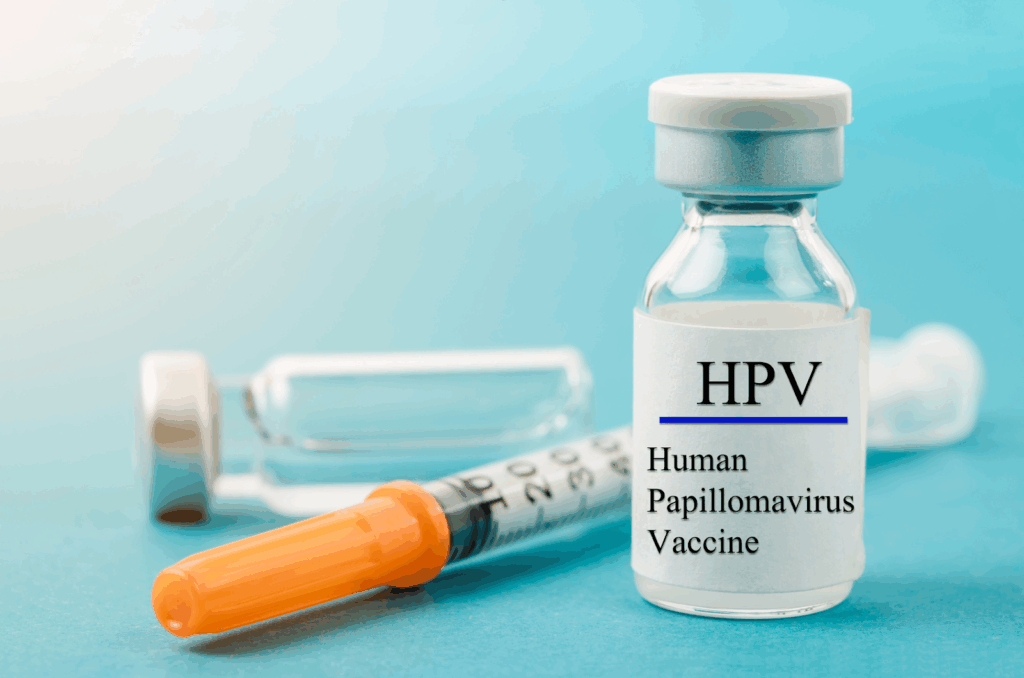
6. Should I get the HPV vaccine after treatment? Does the vaccine still have meaning if I have already had the disease?
YES, if you have not been infected with all the HPV strains covered by the vaccine. The HPV vaccine does not treat existing genital wart lesions. However, it helps you prevent reinfection with other HPV strains covered by the vaccine, thereby significantly reducing the risk of recurrence. According to CDC recommendations, the HPV vaccine can be administered to both males and females up to age 45 if they are at risk. The HPV vaccine helps reduce the recurrence rate of genital warts in those who have been treated.
7. Conclusion:
- Genital wart ablation is an effective method to quickly remove surface wart lesions. But it does not completely cure the HPV virus in your body.
- Therefore, the risk of recurrence always exists if you do not properly care for and prevent the disease.
- Definitive treatment for genital warts requires a comprehensive strategy: combining ablation + post-ablation care + immune enhancement + partner treatment + vaccination (if needed) + regular monitoring.
Correctly understanding the disease will help you be more proactive in protecting your health and that of your partner. Always listen to your doctor’s advice for the most suitable treatment regimen.
This article is written by BS. CKI. Võ Nguyễn Duy Hoà, a specialist in General Surgery, Urology, and Andrology. The doctor has many years of experience in the field of reproductive and sexual health.
Reference
- [1]. HƯỚNG DẪN CHẨN ĐOÁN VÀ ĐIỀU TRỊ BỆNH SÙI MÀO GÀ
(Ban hành kèm theo Quyết định số 5185/QĐ-BYT ngày 09 tháng 11 năm 2021 của Bộ trưởng Bộ Y tế) - [2]. Sexually Transmitted Infections Treatment Guidelines, 2021
https://www.cdc.gov/std/treatment-guidelines/anogenital-warts.htm - [3]. WHO-Guidelines for the management of symptomatic sexually transmitted infections
https://www.who.int/publications/i/item/9789240024168 - [4]. Human papillomavirus vaccine for the prevention and treatment of warts: A clinical review
https://doi.org/10.1016/j.jdrv.2025.06.004.
Related news
Hepatitis C: Do Not Ignore It!
Hepatitis C is a liver inflammation caused by the Hepatitis C virus (HCV). You can contract the virus through contact with infected blood. Most people with HCV have no symptoms. Crucial Fact: There is currently no vaccine for Hepatitis C. The best prevention is avoiding high-risk behaviors. However, testing and treatment can prevent complications and […]
Hepatitis B: A Comprehensive Guide
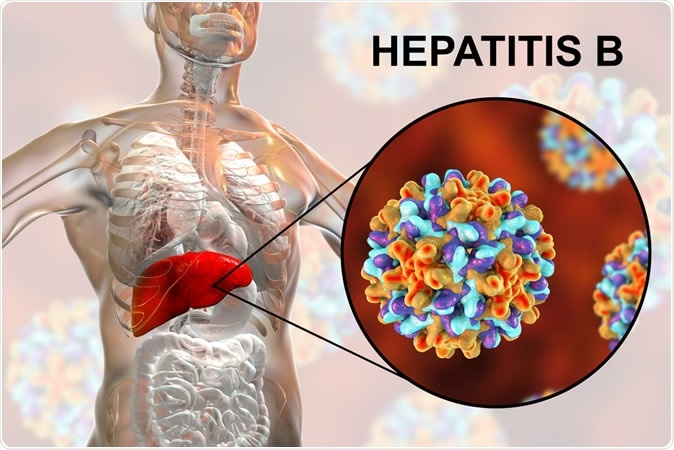
Hepatitis B is a liver disease caused by the Hepatitis B Virus (HBV). Infection can be short-term (acute) or long-term (chronic). One in two people with Hepatitis B do not know they are infected. HBV is highly contagious and spreads through contact with infected blood and body fluids. Vaccination is the best way to prevent […]
The Invisible Enemy: Chlamydia in Women and the Silent Threat of Infertility
Most of us tend to think that if there are no unusual symptoms, the body is perfectly healthy. However, the truth is that there is an invisible ‘enemy’ silently hiding in your body, capable of causing serious consequences, even infertility. That is Chlamydia, one of the most common sexually transmitted diseases (STDs) in women. Chlamydia […]
Urinary Tract Infection-UTI
Urinary Tract Infection (UTI), also known as urinary tract infection or urinary infection, is one of the most common infections globally, affecting millions each year worldwide, with a significant financial burden on society. The disease occurs when bacteria invade any part of the urinary system, including the kidneys, ureters, bladder, and urethra. Although usually treatable, […]
Syphilis Testing: Current Methods, Pros & Cons, and What You Need to Know
Syphilis is one of the common sexually transmitted infections (STIs) that can progress silently but leave serious consequences if not detected and treated promptly. Regular syphilis testing helps with early diagnosis, protecting your health and that of your partner. This article will help you understand the current syphilis testing methods, the pros and cons of […]

Persistent Sore Throat That Won’t Go Away? Do Not Ignore It – You Might Have Chlamydia!
Have you ever had a sore throat that dragged on for weeks, visiting multiple doctors without finding the cause? Even antibiotics didn’t help? It is very likely that the culprit is not the flu, a virus, or common bacteria – but a sexually transmitted infection called Chlamydia. Chlamydia doesn’t just “hide” in the genital area. […]
Syphilis Overview
Syphilis is one of the most common and serious Sexually Transmitted Infections (STIs), caused by the bacterium Treponema pallidum. If not diagnosed and treated promptly, the disease can progress through multiple stages, causing permanent damage and threatening life. 1. What is Syphilis?? Syphilis is an infection caused by the spirochete bacterium Treponema pallidum. The disease can […]
Chlamydia: A Comprehensive Overview
Chlamydia is one of the most common Sexually Transmitted Infections (STIs) worldwide, caused by the bacterium Chlamydia trachomatis. It is preventable and curable, spreading mainly through unprotected vaginal, oral, and anal sex. 1. What is Chlamydia? Chlamydia is a common sexually transmitted infection (STI) that can occur in both men and women, caused by the […]
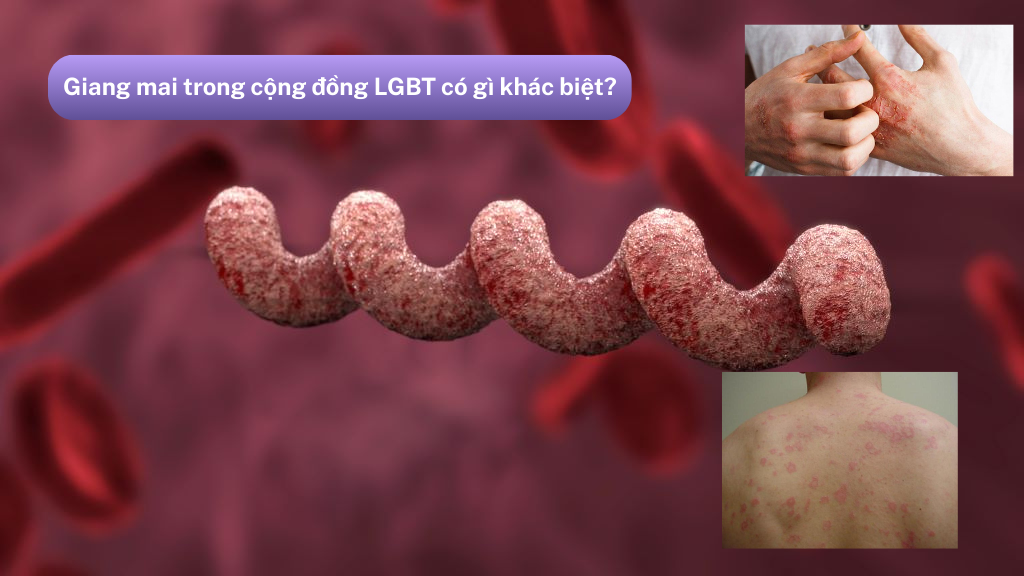
Syphilis in the LGBT Community: Are Signs, Symptoms, and Treatment Different?
1. Syphilis and the LGBT Community? Syphilis is a sexually transmitted infection (STI) caused by the bacterium Treponema pallidum. Although it affects all population groups, the rate of syphilis infection is higher in the LGBT community, especially among men who have sex with men (MSM), due to certain sexual behavioral characteristics and barriers to healthcare access. […]
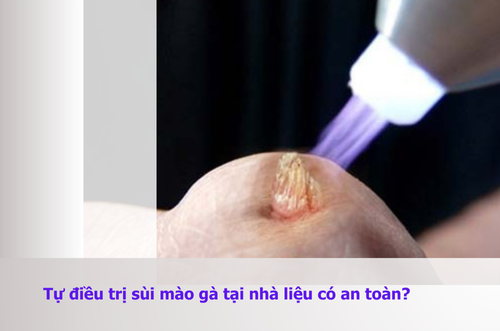
Can Genital Warts Be Treated at Home?
1. What are Genital Warts? Genital warts, also called venereal warts or anogenital warts, are a common sexually transmitted infection (STIs) caused by the Human Papillomavirus (HPV). Although most HPV infections are clinically asymptomatic, HPV types 6 and 11 are responsible for about 90% of visible genital wart cases. It is important to note that other HPV types, […]