




Submit your info or message us on Zalo or Messenger
Syphilis in the LGBT Community: Are Signs, Symptoms, and Treatment Different?
Health bulletin
04/09/2025
1. Syphilis and the LGBT Community?
Syphilis is a sexually transmitted infection (STI) caused by the bacterium Treponema pallidum. Although it affects all population groups, the rate of syphilis infection is higher in the LGBT community, especially among men who have sex with men (MSM), due to certain sexual behavioral characteristics and barriers to healthcare access. This article will help you understand how syphilis manifests in the LGBT group, what differences there are compared to other groups, and what to keep in mind regarding the treatment regimen.

2. Why is Syphilis common in the LGBT Community?
- The rate of syphilis infection in MSM is higher than in the heterosexual group according to CDC and WHO data.
- According to the CDC’s National Overview of STIs in 2023 report, men who have sex with men (MSM) account for one-third (32.7%) of all primary and secondary syphilis cases and 57.5% of all primary and secondary syphilis cases among males in the U.S.
- In 2021, the rate of primary and secondary syphilis in MSM was 106 times higher than in men who only have sex with women (and 167.5 times higher than in women).
- The rate of syphilis infection in the MSM group in Vietnam has sharply increased: from 0.89% in 2008 to 6.7% in 2018.
- According to a study in the Southern region, the current prevalence rate of syphilis in MSM in Ho Chi Minh City increased from approximately 0.5% to about 6.1%; and in the transgender male group, it reached up to 17%.
- Unprotected anal intercourse, multiple partners, anonymous sex, and using dating social media contribute to increasing the risk.
- HIV co-infection is quite common in this group, which alters the presentation and treatment of syphilis.
- Stigma and healthcare barriers cause many people to delay seeking examination or self-treat incorrectly.
3. How is the manifestation of Syphilis different in the LGBT Community?
Syphilis in people within the LGBT community is not fundamentally different; it also presents with signs and symptoms across stages including: Primary Syphilis, Secondary Syphilis, Latent Syphilis, and Tertiary Syphilis. However, there are some points that need special attention:
- The painless ulcer (syphilitic chancre) often appears in the anus, rectum, mouth, pharynx, or genitals. Among these, ulcers in the anus, rectum, or inside the mouth are often missed because they are not visible and are painless.
- Some cases of anal ulcers are misdiagnosed as hemorrhoids or anal fissures.
- Symmetrical red rashes appear on the palms and soles, and especially rashes may appear around the anus, groin, or mouth.
- MSM or transgender individuals may experience pharyngitis, stomatitis, or proctitis-rectal inflammation causing bleeding or painful defecation, which can easily be mistaken for hemorrhoids.
- Many people have no clear symptoms and are only detected during routine screening or when a partner reports being infected.
4. Syphilis and HIV Co-infection in the LGBT Community
In the LGBT community, especially among MSM, the rate of syphilis and HIV co-infection is very high. In the U.S., nearly 40% of people with syphilis are also living with HIV. This means that almost 4 out of every 100 people infected with syphilis also have co-existing HIV. In Vietnam, this number is also increasingly rising.
- Why is co-infection so common?
- Syphilis causes mucosal damage – increasing the risk of HIV transmission by 2–5 times.
- Sharing high-risk sexual behaviors: not using condoms, multiple partners, anonymous sex.
- HIV weakens the immune system, making the syphilis bacterium more likely to ‘attack deeper.’
- Difficulties in diagnosis and treatment:
- Syphilis in people with HIV progresses faster and can cause neurological complications sooner, even in a recent infection, leading to misdiagnosis or being overlooked.
- Test results are easily skewed, requiring an experienced physician to read them correctly. In some cases when neurosyphilis is suspected in people with HIV, a lumbar puncture for cerebrospinal fluid testing is needed to check for neurosyphilis.
5. What are the effects of Syphilis on people in the LGBT Community?
When a person in the LGBT community contracts syphilis, they not only face physical health problems but also endure a heavy psychological burden, often leading to depression and anxiety disorders. This is due to a combination of factors from the disease and the social pressures they face.
- Syphilis itself can cause severe psychological problems, especially when the disease progresses to a severe stage, it can cause psychiatric disorders due to neurosyphilis complications such as: sleep disorders, dementia (loss of cognitive ability, behavioral changes), severe headaches, loss of muscle coordination, numbness, or even paralysis. This can also lead to other complex psychological conditions.
- Constant anxiety, insecurity, and fear: People with syphilis often face worries about health complications, the possibility of infecting others, and the risk of reinfection. These worries are common contributors to anxiety and depression.
- The LGBT community is inherently vulnerable to mental health issues due to social factors, and when they contract syphilis, these problems become even more severe.
- LGBTQ individuals are three times more likely to experience psychiatric disorders than heterosexual people.
- LGBTQ youth are four times more likely to have suicidal tendencies, suicidal ideation, and self-harm behavior.
- It is estimated that 38–65% of transgender people have suicidal ideation.
- Many LGBT people may hesitate to seek help from a mental health professional due to fear of stigma or distrust of the healthcare system. Stigma is a major barrier that makes LGBT people hesitant to seek examination, testing, and treatment for STIs like syphilis. The fear of being judged, disclosing personal information or sexual orientation can lead to delays in diagnosis and treatment, increasing the risk of complications and simultaneously escalating the psychological burden.
These effects create a vicious cycle that makes the disease prolonged and easily relapsed.
6. Syphilis Treatment in the LGBT Community
- Syphilis treatment does not discriminate by gender or sexual orientation, but attention must be paid to the additional factors of co-infection with HIV, anal inflammation, and the risk of reinfection.
- Syphilis can be completely cured with injectable medication. Therefore, the earlier the detection, the simpler the treatment, the fewer the complications, and the lower the economic burden.
However, there are some treatment notes in the LGBT group:
- Closely monitor for neurological symptoms if co-infected with HIV.
- Consider screening for other STIs: HIV, gonorrhea, Chlamydia, Hepatitis B, Hepatitis C.
- Encourage partner notification and simultaneous treatment if there was exposure.
When should you get checked?
- Have had anal or oral sex or sex without a condom.
- Have multiple partners, anonymous sex, or sex with partners met through dating apps.
- Feel that the body has a “strange issue” with no clear cause and are worried.
- Have had other STIs (gonorrhea, Chlamydia, HIV, genital warts…).
Get tested every 3–6 months if you consider yourself to be in the above-mentioned risk groups.
7. Syphilis Prevention in the LGBT Community
- Use condoms correctly and consistently, especially during anal and oral sex. Correct condom use is the “best companion” for self-protection.
- Get regular STI testing every 3–6 months if you are at high risk.
- Limit the number of sexual partners, and avoid anonymous sex with people whose health status is unknown.
- Consider using PrEP to prevent HIV – indirectly reducing the risk of STIs through regular screening.
- Living positively, healthily, having safe sex, and getting regular testing is self-love.
- Do not self-treat as it can worsen the condition, increase the risk of drug resistance, and increase disease relapse.
8. Conclusion
Syphilis is a sexually transmitted disease that is dangerous but can be completely cured. The LGBT community, especially men who have sex with men (MSM), is a high-risk group. The signs are often subtle and easily mistaken for other diseases. Syphilis in the LGBT community not only has specific manifestations such as ulcers in the anus and mouth but also has a risk of severe progression if co-infected with HIV. Regular screening every 3–6 months, timely treatment, and increased awareness of prevention are the keys to effective disease control. Be proactive in protecting your sexual health and the community. Syphilis does not choose who to infect and spares no one, whether inside or outside the LGBT community. But you have the right to choose a safe life, proactively check your health to protect yourself, your family, and the person you love.
This article is written by BS. CKI. Võ Nguyễn Duy Hoà, a specialist in General Surgery, Urology, and Andrology. The doctor has many years of experience in the field of reproductive and sexual health.
Reference
- [1]. National Overview of STIs in 2023 | STI Statistics | CDC
https://www.cdc.gov/sti-statistics/annual/summary.html - [2]. Những sai lầm khiến nhóm MSM nhiễm giang mai ngày càng tăng
https://suckhoedoisong.vn/nguyen-nhan-khien-nhom-msm-nhiem-giang-mai-ngay-cang-tang-169221028222520252.htm - [3]. Tạp chí Y học dự phòng – Tổng quan tài liệu tình hình nhiễm giang mai ở các quần thể nguy cơ tại Việt Nam | Tạp chí Y học dự phòng
http://tcyhdp.vjpm.vn/tap-chi-y-hoc-du-phong/2017/11/tong-quan-tai-lieu-tinh-hinh-nhiem-giang-mai-o-cac-quan-the-nguy-co-tai-viet-nam-o81E206B6.html - [4]. Meyer, I. H. (2003). Prejudice, Social Stress, and Mental Health in Lesbian, Gay, and Bisexual Populations: Conceptual Issues and Research Evidence. Psychological Bulletin, 129(5), 674–697.
- [5]. Fontanarosa, C., et al. (2018). Prevalence of Suicide Attempts Among Transgender Individuals: A Systematic Review and Meta-Analysis. Journal of Homosexuality, 65(12), 1541-1558.
Related news
Hepatitis C: Do Not Ignore It!
Hepatitis C is a liver inflammation caused by the Hepatitis C virus (HCV). You can contract the virus through contact with infected blood. Most people with HCV have no symptoms. Crucial Fact: There is currently no vaccine for Hepatitis C. The best prevention is avoiding high-risk behaviors. However, testing and treatment can prevent complications and […]
Hepatitis B: A Comprehensive Guide
Hepatitis B is a liver disease caused by the Hepatitis B Virus (HBV). Infection can be short-term (acute) or long-term (chronic). One in two people with Hepatitis B do not know they are infected. HBV is highly contagious and spreads through contact with infected blood and body fluids. Vaccination is the best way to prevent […]
The Invisible Enemy: Chlamydia in Women and the Silent Threat of Infertility
Most of us tend to think that if there are no unusual symptoms, the body is perfectly healthy. However, the truth is that there is an invisible ‘enemy’ silently hiding in your body, capable of causing serious consequences, even infertility. That is Chlamydia, one of the most common sexually transmitted diseases (STDs) in women. Chlamydia […]
Urinary Tract Infection-UTI
Urinary Tract Infection (UTI), also known as urinary tract infection or urinary infection, is one of the most common infections globally, affecting millions each year worldwide, with a significant financial burden on society. The disease occurs when bacteria invade any part of the urinary system, including the kidneys, ureters, bladder, and urethra. Although usually treatable, […]
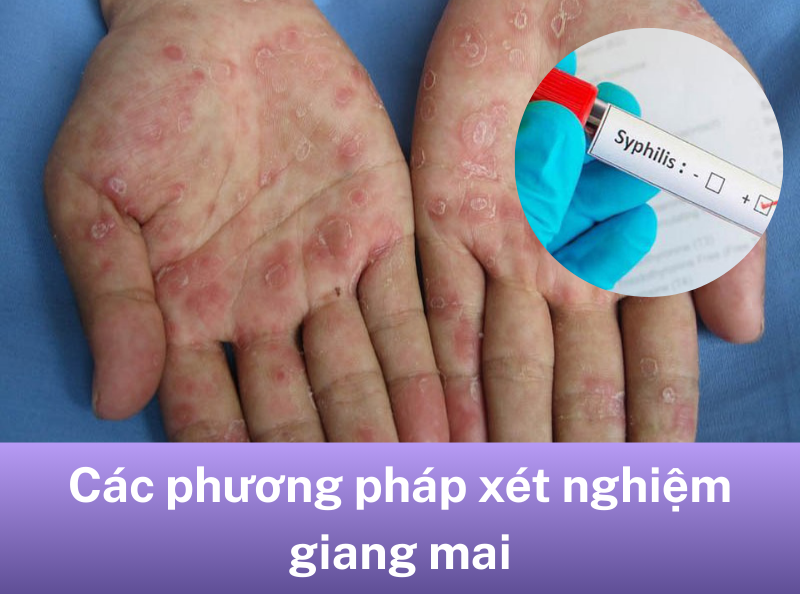
Syphilis Testing: Current Methods, Pros & Cons, and What You Need to Know
Syphilis is one of the common sexually transmitted infections (STIs) that can progress silently but leave serious consequences if not detected and treated promptly. Regular syphilis testing helps with early diagnosis, protecting your health and that of your partner. This article will help you understand the current syphilis testing methods, the pros and cons of […]

Persistent Sore Throat That Won’t Go Away? Do Not Ignore It – You Might Have Chlamydia!
Have you ever had a sore throat that dragged on for weeks, visiting multiple doctors without finding the cause? Even antibiotics didn’t help? It is very likely that the culprit is not the flu, a virus, or common bacteria – but a sexually transmitted infection called Chlamydia. Chlamydia doesn’t just “hide” in the genital area. […]
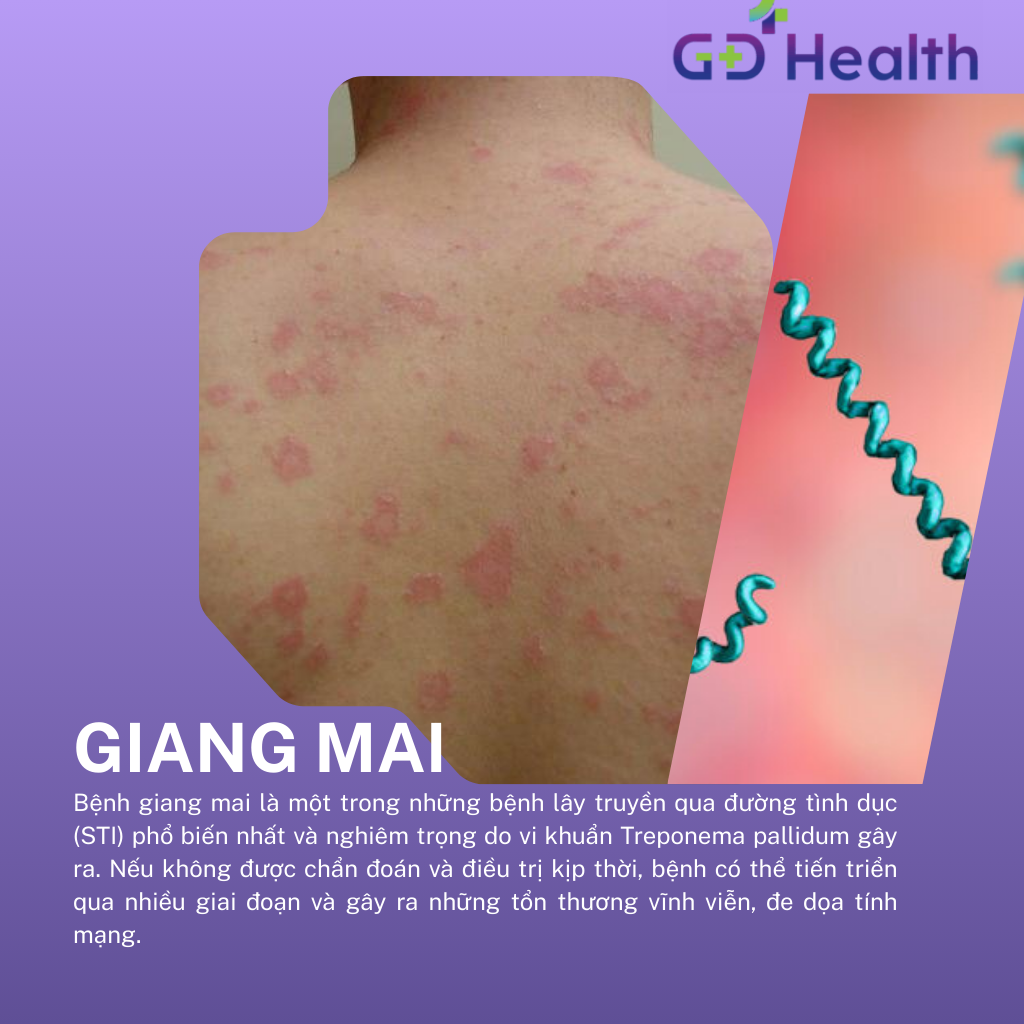
Syphilis Overview
Syphilis is one of the most common and serious Sexually Transmitted Infections (STIs), caused by the bacterium Treponema pallidum. If not diagnosed and treated promptly, the disease can progress through multiple stages, causing permanent damage and threatening life. 1. What is Syphilis?? Syphilis is an infection caused by the spirochete bacterium Treponema pallidum. The disease can […]
Chlamydia: A Comprehensive Overview
Chlamydia is one of the most common Sexually Transmitted Infections (STIs) worldwide, caused by the bacterium Chlamydia trachomatis. It is preventable and curable, spreading mainly through unprotected vaginal, oral, and anal sex. 1. What is Chlamydia? Chlamydia is a common sexually transmitted infection (STI) that can occur in both men and women, caused by the […]
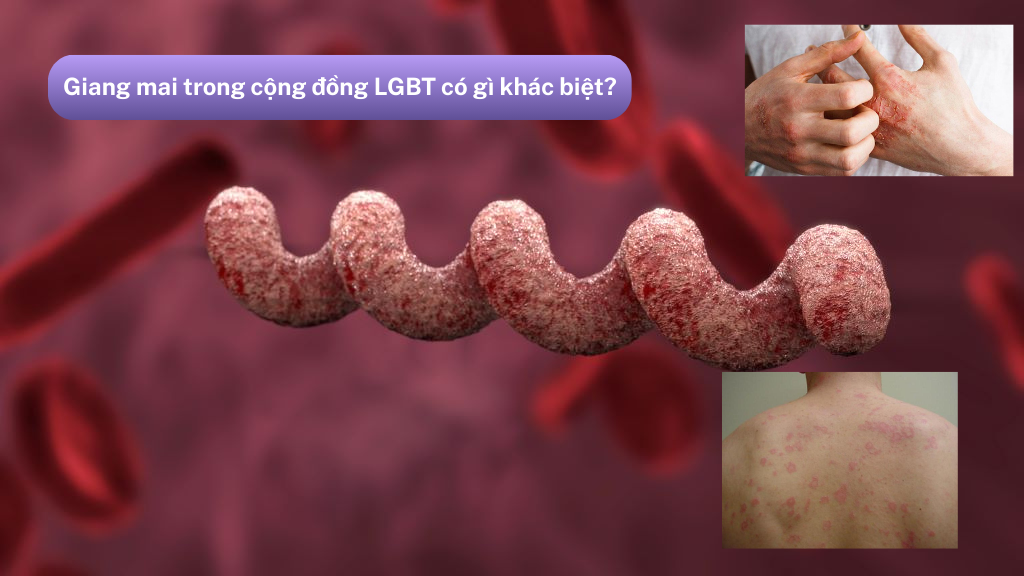
Syphilis in the LGBT Community: Are Signs, Symptoms, and Treatment Different?
1. Syphilis and the LGBT Community? Syphilis is a sexually transmitted infection (STI) caused by the bacterium Treponema pallidum. Although it affects all population groups, the rate of syphilis infection is higher in the LGBT community, especially among men who have sex with men (MSM), due to certain sexual behavioral characteristics and barriers to healthcare access. […]
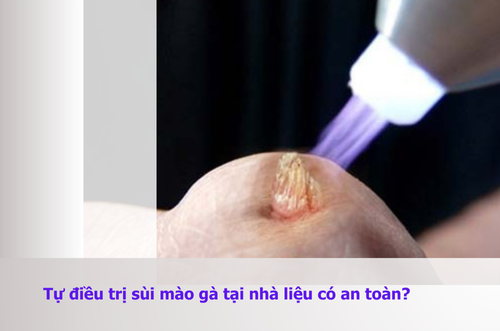
Can Genital Warts Be Treated at Home?
1. What are Genital Warts? Genital warts, also called venereal warts or anogenital warts, are a common sexually transmitted infection (STIs) caused by the Human Papillomavirus (HPV). Although most HPV infections are clinically asymptomatic, HPV types 6 and 11 are responsible for about 90% of visible genital wart cases. It is important to note that other HPV types, […]