




Submit your info or message us on Zalo or Messenger
Can Genital Warts Be Treated at Home?
Health bulletin
04/09/2025
1. What are Genital Warts?
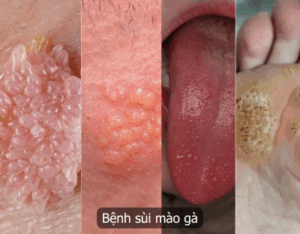
Genital warts, also called venereal warts or anogenital warts, are a common sexually transmitted infection (STIs) caused by the Human Papillomavirus (HPV). Although most HPV infections are clinically asymptomatic, HPV types 6 and 11 are responsible for about 90% of visible genital wart cases. It is important to note that other HPV types, such as 16 and 18, are associated with cell dysplasia and a higher risk of cancer, especially oropharyngeal cancer and cervical cancer in women. The warts typically present as soft, raised lesions, skin-colored or pink, on the skin or mucous membranes. Although they most commonly appear in the genital and perianal areas, they can also occur in other locations such as the mouth, tongue, or throat. Symptoms can range from asymptomatic to causing itching, discomfort, or pain, especially when the lesions are located in sensitive or irritated areas.
2. Goals of Genital Warts Treatment:
The main goal of treating genital warts is to eliminate or destroy the visible lesions, including papules, masses, and warts, as well as locally eradicate the virus within these lesions. Additionally, it is necessary to enhance the patient’s immune system to minimize the risk of disease recurrence. Current treatment for genital warts focuses on removing the visible lesions, as it cannot completely eliminate the HPV virus from the body. This means that even after the successful removal of the warts, the virus may still persist in the body, leading to the possibility of recurrence in the same or other locations. Therefore, treatment is not only about removing the warts but also preventing transmission and recurrence, making regular follow-up and the implementation of preventive measures such as vaccination and safe sexual practices crucial, even after the warts have disappeared.
3. General Principles in the Treatment of Genital Warts:
3.1. Always Consult with a Healthcare Professional:
Upon suspicion or diagnosis of genital warts, it is mandatory for the patient to seek consultation from healthcare professionals. This is truly necessary to obtain an accurate diagnosis and be prescribed the most appropriate and safest treatment regimen. Self-treatment without prior medical consultation can lead to a worsening of the condition, making treatment more difficult and potentially causing serious complications. Therefore, although some treatments can be self-applied at home by the patient, the decision to choose any treatment method and which method is appropriate should be carefully advised and evaluated by a healthcare professional.
3.2. Factors to Consider When Choosing a Treatment Method:
The choice of the appropriate genital warts treatment method is individualized, depending on several factors such as:
- The patient’s overall health status.
- The size and extent of the lesions.
- The exact anatomical location of the genital warts.
- The availability of medical equipment or specific expertise at the healthcare facility.
- The patient’s pregnancy status is also a primary factor to consider.
For example, large or numerous lesions, or those located in sensitive or internal areas such as the urethra, vagina, or anus, often require professional medical procedures like surgical excision, electrocautery, or laser therapy, rather than self-applied topical treatments. The treatment of genital warts does not have a “one-size-fits-all” solution. Therefore, the selection of the appropriate method must be considered according to the clinical presentation and specific circumstances of each patient. This further emphasizes the absolute necessity of evaluation and consultation with healthcare professionals.
3.3. The Role of Partner Treatment and Infection Prevention
An important component of effective genital warts management is the examination and, if necessary, treatment of all sexual partners. This measure is necessary to prevent reinfection of the treated individual and to limit the further spread of the disease in the community.
4. Can Genital Warts Be Treated at Home?
This is a common question and concern for many people upon learning they have genital warts. So, what are the necessary conditions for treating genital warts at home? Can genital warts be treated at home? The answer is “It can.”
4.1. Conditions for Considering Self-Treatment at Home
Home treatment is applied in very specific cases and under strict medical supervision, mainly involving topical medications (creams, solutions, or ointments) for patient self-application. Self-application is generally considered suitable for external warts that are small, scattered, limited in number, not very painful, not oozing pus, and in an easily accessible location (Total area ≤10 cm², <10 lesions) so that the patient can apply the medication correctly and safely.
Treatment Methods: Include medically approved topical treatments and folk remedies.
4.2. Topical Medications Approved for Self-Treatment at Home:
The success of self-applied home treatment largely depends on the ability to strictly adhere to the complex application schedule and effectively manage the often uncomfortable local side effects. If patients experience severe or unmanageable side effects, they may stop treatment early, leading to treatment failure, prolonged infection, or recurrence. Therefore, patients need to be instructed on precise application and also receive explanations and counseling on realistic expectations regarding side effects and clear guidance on when to contact a doctor for symptom management or re-evaluation.
General principles for self-application include:
- Strict Adherence to Instructions: All instructions provided by the doctor and the medication leaflet, including precise application technique, dosage, frequency, and duration of treatment.
- Protecting Healthy Skin: Avoid applying the medication to surrounding healthy skin or open wounds, as these areas are sensitive and can be irritated or damaged by the active ingredients.
- Washing Off: Depending on the type of topical medication, the treated area may need to be washed off with soap and water after a specified period.
- Sexual Activity During Treatment: Avoid vaginal, anal, or oral sexual intercourse in the affected area during the treatment period, to protect the treated skin from friction and facilitate healing, as well as minimize the risk of transmission.
- Supportive Care: Cleanliness or a saltwater bath may be beneficial to soothe and promote the healing process of the genital area during treatment.
- Monitoring Side Effects: Patients should be prepared for potential local side effects such as pain, irritation, burning sensation, itching, erythema (skin redness), or swelling at the application site. Any severe or persistent side effects should be reported to the doctor.
4.3. Medications that can be used at home:
4.3.1. Imiquimod Cream:
- Mechanism of Action: Imiquimod is an immune response modifier. It works by stimulating the body’s local immune system to fight the HPV virus. Specifically, it induces the production and release of cytokines, such as interferon and tumor necrosis factor alpha (TNF-a), which enhance the cytotoxic T cell-mediated immune response against infected cells.
- How to Use:
- Imiquimod 5%: apply three times per week (e.g., Monday-Wednesday-Friday or Tuesday-Thursday-Saturday) until the lesions clear, for a maximum of 16 weeks.
- Imiquimod 3.75% applied daily for a maximum of 8 weeks.
The cream should be left on the skin for about 6–10 hours, then washed off with soap and water.
- Common Side Effects: Local skin reactions are common, including burning, itching, pain, inflammation, erythema (skin redness), and swelling at the application site. Some patients may also experience flu-like symptoms.
- Important Note: Imiquimod is not recommended for use during pregnancy.
- Effectiveness: Clearance rates range from 35-75%, higher in women. The recurrence rate is low, from 6-26%. Studies show that Imiquimod offers a better recurrence rate compared to podophyllin-based therapies and tends to promote healing without scarring.
4.3.2. Podophyllotoxin Solution/Gel (podofilox):
- Mechanism of Action: Podofilox is an antimitotic agent derived from podophyllin. It inhibits cell division (mitosis) and leads to the necrosis (death) of the genital wart tissue. This formulation is currently more effective and safer than the previous crude podophyllin resin.
- There are two formulations: Podophyllotoxin 0.5% solution for genital warts on the penis and Podophyllotoxin 0.15% cream for genital warts on the anus and vulva.
- How to Use: Apply twice daily for three consecutive days, followed by four days without treatment. This cycle can be repeated up to four times or until the warts disappear. Treat for a course of 4-5 weeks. The application area should not exceed 10 cm² and apply less than 0.5 ml of podophyllotoxin/day. The gel form is often considered easier to apply than the liquid form.
- Common Side Effects: Local reactions are common, including burning, itching, pain, and inflammation at the application site.
- Important Note: Podofilox is contraindicated for pregnant women and open wounds.
- Effectiveness: Clearance rates for podophyllotoxin solution range from 36-83%, and for the cream form, 43-74%. Recurrence rates vary from 6-100%, usually after 8-12 weeks of clearance. This is an effective treatment method for external genital warts that can be self-applied by the patient.
4.3.3. Sinecatechins Ointment:
- Mechanism of Action: Sinecatechins is an ointment derived from catechins extracted from green tea. Its mechanism of action involves antioxidant, anti-inflammatory, and immunomodulatory properties.
- How to Use: Sinecatechin 15% ointment is applied 3 times/day until the lesions clear, but should not be used for longer than 16 weeks. No wash-off is required after use.
- Common Side Effects: It tends to cause less local irritation compared to other topical medications, but redness, itching, burning, pain, blistering, erosion, and ulceration may still occur.
- Important Note: Should not be used in individuals with HIV infection or other immunocompromised conditions, nor in pregnant women.
- Effectiveness: Clearance rates are 47-59% and the recurrence rate is relatively low (7-11%).
4.4. Home Treatment of Genital Warts using Folk Remedies and Natural Ingredients:
Although these methods lack strong scientific evidence for both effectiveness and safety, they can still be considered for home use. Note that not all genital warts are the same, and the choice of treatment should be tailored to the size, number, location, and existing symptoms. Therefore, the selection of any treatment method, even folk remedies, should involve consultation and careful advice from healthcare professionals to ensure early, correct, complete, and safe treatment access. Some treatment methods include:
4.4.1. Tea Tree Oil :
Tea tree oil has been studied for its powerful antibacterial and anti-inflammatory properties and has been used to treat skin conditions like acne and athlete’s foot. To use, dilute the tea tree oil by mixing 1 drop of tea tree oil with 1 to 2 drops of a carrier oil, such as almond or coconut oil. Add 3 to 4 drops of this mixture to a cotton ball. Place it on the wart for 5 to 10 minutes. Repeat two or three times a day. Some people may be allergic to tea tree oil, so try a small amount of the diluted oil on your arm first. If there is no reaction after 24 hours, it should be safe to use. Tea tree oil can be irritating and cause some burning sensation or inflammation – this is how it reduces the size of the wart. Do not take tea tree oil by mouth or apply it vaginally. You will need to apply the oil multiple times over several weeks. Stop use if it becomes too irritating.
4.4.2. Witch Hazel:
Similar to tea tree oil, witch hazel is often used to treat skin conditions. It is gentle, so it usually does not irritate sensitive skin. A 2014 study found that witch hazel may be effective against HPV type 16. This is one of the HPV strains that cause genital warts. Witch hazel should not be used on mucous membranes, including inside the vagina or anus.
4.4.3. Green Tea:
According to a 2009 study, green tea has been shown to be effective against genital warts. An ointment called sinecatechins (Veregen) is available by prescription. In this product, green tea is concentrated into a compound. Green tea extract can be purchased and used at home by adding one or two drops to coconut oil and applying it to the wart.
4.4.4. Garlic:
Garlic has a long history of use for healing skin conditions such as psoriasis, keloids, and calluses. It is also used for bacterial, fungal, and viral infections like warts. In an older study from 2014, garlic extract eliminated warts within four weeks. The warts did not return. Allicin, a key component of garlic, has antimicrobial effects and is often studied for its antiviral and immunomodulatory properties. To treat warts with garlic, crush a clove and mix it with water. Apply the paste to the wart and bandage it. Repeat daily for three to four weeks. You can also apply garlic juice or rub a clove of garlic on the wart.
4.4.5. Apple Cider Vinegar:
Apple cider vinegar is an acidic substance made from fermented apple juice. It is thought to work similarly to salicylic acid, a popular wart treatment that helps peel away the virus-infected skin, eventually removing the wart. Vinegar also has natural antimicrobial properties that may help fight HPV, but more research is needed. To try it, mix 2 parts apple cider vinegar with 1 part water. Soak a cotton ball in this mixture. Place it on the wart and bandage it. Leave it on for three to four hours. Always dilute apple cider vinegar with water. The acidity can cause irritation and chemical burns. Also, do not apply it to open wounds.
4.4.6. Banana Peel:
There is no clear evidence, but if you want to try, cut a piece of banana peel and tape it over the wart before going to bed, so that the inside part of the peel touches your skin. Leave it on while you sleep and repeat daily.
4.4.7. Orange Peel:
Another popular wart remedy is orange peel. Rub the orange peel on the wart once a day. The wart is supposedly going to change color, darken, and then fall off. This may take two weeks or more.
4.4.8. Pineapple:
Pineapple is rich in bromelain, a mixture of protein-digesting enzymes that may help remove dead and damaged skin. Some reports of success in removing warts using pineapple juice in various ways exist. One method is to soak the wart in pineapple juice or apply fresh pineapple daily.
4.4.9. Potato:
Potato juice may “dehydrate” a wart. To try this method, cut a small potato in half. Rub the cut surface onto the wart until it is covered with potato juice. Repeat twice a day.
4.4.10. Dandelion:
Traditional Chinese and Middle Eastern medicine uses dandelion for its antimicrobial properties, which may be helpful against warts. To try this method, break a dandelion stem and squeeze out the sticky white sap. Apply it to the wart once or twice a day. Repeat for two weeks.
4.4.11. Aloe Vera:
Aloe vera gel is commonly used for skin conditions like burns and psoriasis. If your wart is itchy or painful, the gel may help soothe the discomfort. Aloe vera gel is also known to have the ability to fight off pathogens, including viruses. A 2016 study found that it was effective against the HSV-1 virus. To use aloe vera, take a leaf from an aloe plant and cut it open. Apply the gel to the wart. Repeat daily.
4.4.12. Vitamin C:
Vitamin C has immune-boosting properties and is essential for wound healing and healthy skin tissues. One study suggests that higher consumption of Vitamin C is associated with a reduced risk of persistent HPV infection. To try Vitamin C as a topical wart treatment, crush a Vitamin C tablet and mix it with water. Apply the paste to the wart, bandage it, and leave it on overnight. Repeat daily. Some people suggest that lemon juice and Vitamin C make a more effective paste. This may be due to the acidity of the lemon juice. Lemon juice can irritate the skin, so use it cautiously.
4.4.13. Vitamin E
Vitamin E is important for a healthy immune system. It is thought to improve your body’s response to HPV. You can puncture a Vitamin E capsule and apply the oil to the wart. Cover the wart with a bandage and leave it on overnight. Repeat daily for two weeks.
4.4.14. Bee Propolis:
Honey bees create a resin-like substance called propolis. It is made from plant materials, beeswax, pollen, and bee enzymes. Research suggests that propolis has antiviral properties and promotes the production of skin cells. It is used to treat acne, wounds, and the herpes simplex virus. These benefits may also help heal virus-infected skin and fight HPV. To use propolis, apply it to the wart. Place a bandage over it and leave it on overnight. Repeat daily.
4.4.15. Castor Oil:
Castor oil has antimicrobial and anti-inflammatory properties and is used as a natural remedy for warts, ringworm, dandruff, and other skin conditions. Apply castor oil to the wart daily. It may take two weeks or more for the wart to fall off.
4.4.16. Duct Tape:
Duct tape is one of the most common home remedies for warts. It is inexpensive and easy to find. Duct tape is thought to remove virus-infected skin over time. To use duct tape, apply a small piece to the wart. Remove it every three to six days. Soak the wart in water and rub it with a pumice stone or emery board. Leave it exposed for 10 to 12 hours. Repeat the process. If you have sensitive skin, use duct tape cautiously. It can cause redness, irritation, and bleeding.
4.4.17. Supportive Diet and Lifestyle Can Also Be Done at Home:
Having genital warts puts stress on the body. It will be difficult for your body to cope with any other health conditions alongside the warts. To help your body heal faster, you should try to avoid immune stressors such as smoking or a diet high in processed foods or low in nutrients. Foods to incorporate into your diet include: Antioxidant-rich foods (blueberries, cherries, tomatoes, bell peppers, squash), dark leafy greens like spinach and kale, whole grains, almonds, beans, lean meat… These foods can help boost your immune system and minimize the recurrence of HPV.
5. When NOT to Treat at Home: Risks and Warning Signs
The following conditions require consultation and intervention by a healthcare professional:
- Large or Numerous Lesions: Self-applied topical treatments are often ineffective for widespread or very large genital warts. Such cases usually require professional procedures like surgical excision, electrocautery, or laser therapy.
- Internal Warts: Warts located on internal mucous membranes, such as inside the urethra, vagina, cervix, or anus, cannot be safely or effectively self-treated at home by the patient.
- Pregnancy: As noted previously, many common self-applied topical medications are contraindicated during pregnancy.
- Lesions Unresponsive to Home Treatment: If the warts do not improve or worsen despite applying home medication strictly as directed for the recommended duration.
- Persistent Recurrence: Although recurrence is common, frequent or rapid recurrence needs re-evaluation by a doctor to consider alternative treatment strategies or underlying factors.
- Pain, Bleeding, or Ulceration: Increased pain, bleeding, or ulceration of the warts.
- Uncertain Diagnosis: If there is any doubt or lack of clarity about the diagnosis.
- Immunocompromised Patients: Individuals with compromised immune systems (e.g., due to HIV/AIDS, organ transplantation, or certain medications) may have more extensive, persistent, or treatment-resistant genital warts.
When home treatment is inappropriate, ineffective, or the patient has characteristics requiring specialized intervention, there are many clinic-based and surgical treatment options, including:
- Cryotherapy (Đốt lạnh): This method involves destroying the genital wart lesions by freezing them with liquid nitrogen. The extreme cold causes the cells to rupture and die.
- Surgical Removal (Excision, Electrocautery, Laser): These methods are often preferred for large, numerous, or internal warts, or for lesions that do not respond to other forms of treatment.
- Application of Trichloroacetic Acid (TCA): TCA is a chemical solution (80-90%) that works by chemically burning off the genital warts. It must be applied by a healthcare professional, usually once a week for a maximum of 6 weeks.
6. Recurrence Prevention
- HPV Vaccination (Tiêm phòng HPV): HPV vaccination is the most effective proactive measure to prevent genital warts and reduce the risk of HPV-related cancers. Practicing safe sex is fundamental in preventing the transmission and infection of HPV, and thus genital warts.
- Regular Follow-up and Re-examination.
7. Conclusion
Home treatment for genital warts is a possibility for certain cases, specifically those involving external, small, and easily accessible lesions. This can only be done through patient self-application of topical medications or by adopting some folk remedies. However, it is important to understand that home treatment is not a universal solution. It is not suitable for large, numerous, or internal warts (e.g., inside the urethra, vagina, cervix, or anus), nor is it suitable during pregnancy for most self-applied medications. Patients are encouraged to strictly adhere to their doctor’s instructions regarding dosage, application technique, and treatment duration. It is equally important to monitor and promptly report any severe or persistent side effects to their healthcare provider.
This article is written by BS. CKI. Võ Nguyễn Duy Hoà, a specialist in General Surgery, Urology, and Andrology. The doctor has many years of experience in the field of reproductive and sexual health.
Reference
- HƯỚNG DẪN CHẨN ĐOÁN VÀ ĐIỀU TRỊ BỆNH SÙI MÀO GÀ
(Ban hành kèm theo Quyết định số 5185/QĐ-BYT ngày 09 tháng 11 năm 2021 của Bộ trưởng Bộ Y tế) - Home Remedies for Genital Warts: What Works?
https://www.healthline.com/health/std/genital-warts-home-remedies
https://www.healthline.com/health/home-remedies-for-warts
Related news
Hepatitis C: Do Not Ignore It!
Hepatitis C is a liver inflammation caused by the Hepatitis C virus (HCV). You can contract the virus through contact with infected blood. Most people with HCV have no symptoms. Crucial Fact: There is currently no vaccine for Hepatitis C. The best prevention is avoiding high-risk behaviors. However, testing and treatment can prevent complications and […]
Hepatitis B: A Comprehensive Guide
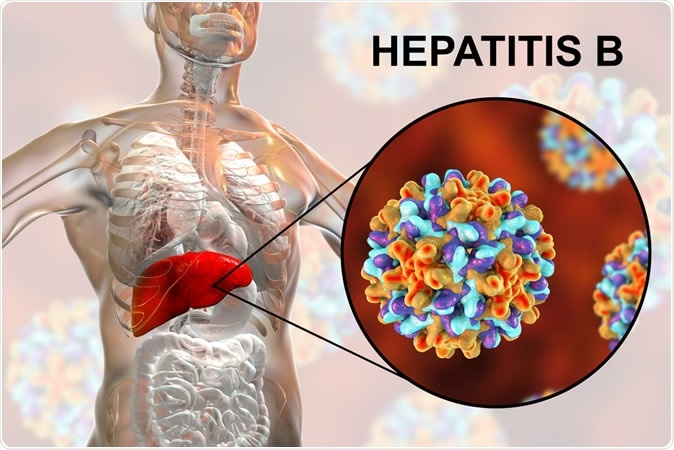
Hepatitis B is a liver disease caused by the Hepatitis B Virus (HBV). Infection can be short-term (acute) or long-term (chronic). One in two people with Hepatitis B do not know they are infected. HBV is highly contagious and spreads through contact with infected blood and body fluids. Vaccination is the best way to prevent […]
The Invisible Enemy: Chlamydia in Women and the Silent Threat of Infertility
Most of us tend to think that if there are no unusual symptoms, the body is perfectly healthy. However, the truth is that there is an invisible ‘enemy’ silently hiding in your body, capable of causing serious consequences, even infertility. That is Chlamydia, one of the most common sexually transmitted diseases (STDs) in women. Chlamydia […]
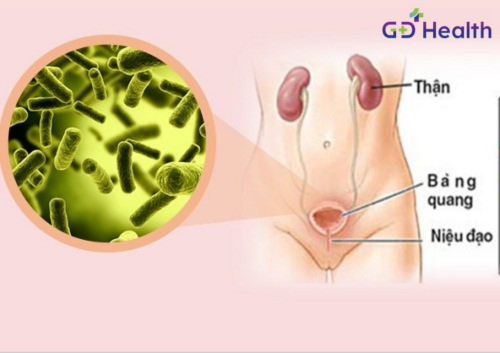
Urinary Tract Infection-UTI
Urinary Tract Infection (UTI), also known as urinary tract infection or urinary infection, is one of the most common infections globally, affecting millions each year worldwide, with a significant financial burden on society. The disease occurs when bacteria invade any part of the urinary system, including the kidneys, ureters, bladder, and urethra. Although usually treatable, […]
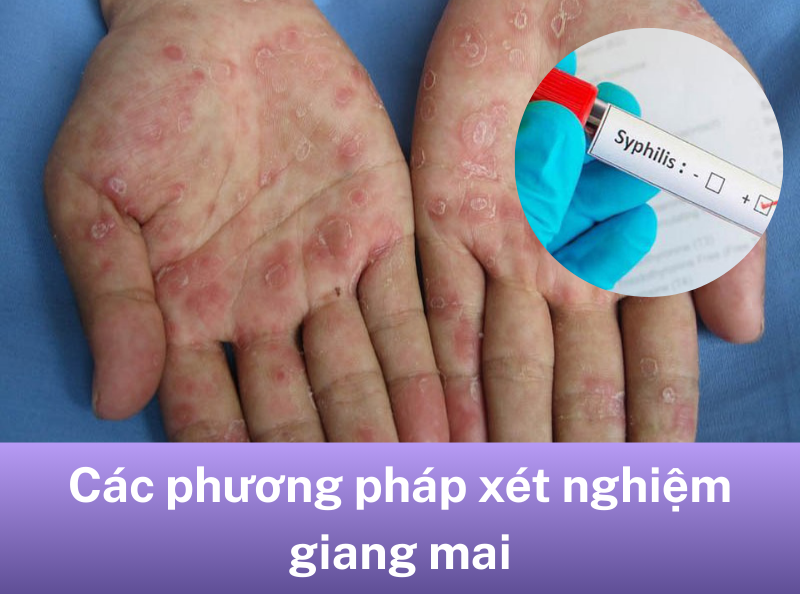
Syphilis Testing: Current Methods, Pros & Cons, and What You Need to Know
Syphilis is one of the common sexually transmitted infections (STIs) that can progress silently but leave serious consequences if not detected and treated promptly. Regular syphilis testing helps with early diagnosis, protecting your health and that of your partner. This article will help you understand the current syphilis testing methods, the pros and cons of […]

Persistent Sore Throat That Won’t Go Away? Do Not Ignore It – You Might Have Chlamydia!
Have you ever had a sore throat that dragged on for weeks, visiting multiple doctors without finding the cause? Even antibiotics didn’t help? It is very likely that the culprit is not the flu, a virus, or common bacteria – but a sexually transmitted infection called Chlamydia. Chlamydia doesn’t just “hide” in the genital area. […]
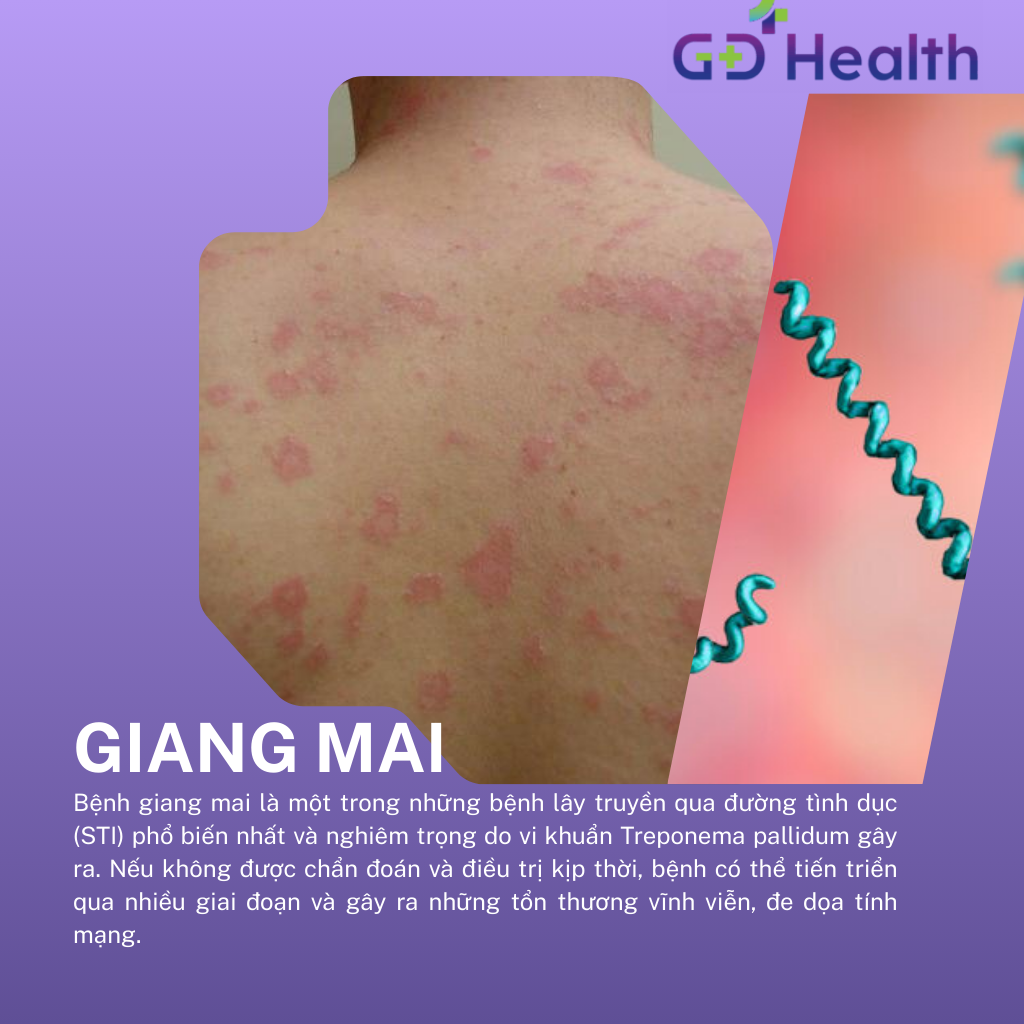
Syphilis Overview
Syphilis is one of the most common and serious Sexually Transmitted Infections (STIs), caused by the bacterium Treponema pallidum. If not diagnosed and treated promptly, the disease can progress through multiple stages, causing permanent damage and threatening life. 1. What is Syphilis?? Syphilis is an infection caused by the spirochete bacterium Treponema pallidum. The disease can […]
Chlamydia: A Comprehensive Overview
Chlamydia is one of the most common Sexually Transmitted Infections (STIs) worldwide, caused by the bacterium Chlamydia trachomatis. It is preventable and curable, spreading mainly through unprotected vaginal, oral, and anal sex. 1. What is Chlamydia? Chlamydia is a common sexually transmitted infection (STI) that can occur in both men and women, caused by the […]
Syphilis in the LGBT Community: Are Signs, Symptoms, and Treatment Different?
1. Syphilis and the LGBT Community? Syphilis is a sexually transmitted infection (STI) caused by the bacterium Treponema pallidum. Although it affects all population groups, the rate of syphilis infection is higher in the LGBT community, especially among men who have sex with men (MSM), due to certain sexual behavioral characteristics and barriers to healthcare access. […]
Can Genital Warts Be Treated at Home?
1. What are Genital Warts? Genital warts, also called venereal warts or anogenital warts, are a common sexually transmitted infection (STIs) caused by the Human Papillomavirus (HPV). Although most HPV infections are clinically asymptomatic, HPV types 6 and 11 are responsible for about 90% of visible genital wart cases. It is important to note that other HPV types, […]