




Submit your info or message us on Zalo or Messenger
Hepatitis B: A Comprehensive Guide
Health bulletin
13/09/2025
Hepatitis B is a liver disease caused by the Hepatitis B Virus (HBV). Infection can be short-term (acute) or long-term (chronic). One in two people with Hepatitis B do not know they are infected.
HBV is highly contagious and spreads through contact with infected blood and body fluids. Vaccination is the best way to prevent infection. It is a global public health issue that can lead to chronic liver diseases such as cirrhosis, liver failure, and liver cancer if not diagnosed and treated promptly.
1. What is Hepatitis B?
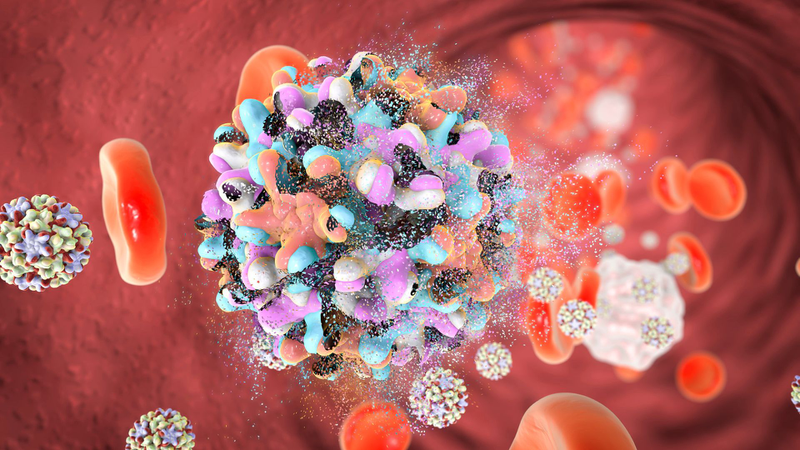
Hepatitis B is a liver infection caused by the HBV virus. The virus attacks liver cells, causing inflammation and damage. It is one of five types of viral hepatitis (A, B, C, D, E).
- Acute: Lasts a few weeks.
- Chronic: Lasts a lifetime. Can lead to severe complications and death from cirrhosis or liver cancer.
2. Epidemiology
Hepatitis B is a major global health challenge.
- Global (WHO):
- Estimated 254 million people living with chronic HBV in 2022, with 1.2 million new infections annually.
- In 2022, HBV caused 1.1 million deaths, mostly from cirrhosis and hepatocellular carcinoma (primary liver cancer).
- USA (CDC):
- Approx. 640,000 adults have chronic Hepatitis B.
- In 2022, 52% of new acute Hepatitis B cases reported were in people aged 40-59. People of Asian descent are among the groups with the highest rate of Hepatitis B infection.
- Vietnam:
- One of the countries with the highest HBV prevalence in the world (~6.5 million cases).
- The mother-to-child transmission rate is 5-10%, and 90% of infected infants will develop chronic Hepatitis B if not treated.
- HBV causes over 80% of liver diseases and liver cancers in Vietnam.
3. Transmission Routes
HBV spreads primarily through contact with blood or body fluids.
- Mother-to-Child Transmission (Perinatal): This is the most common route of transmission in areas with a high prevalence rate, such as Vietnam. Pregnant women infected with HBV can transmit the virus to their babies during childbirth.
- Bloodborne Transmission:
- Sharing needles and syringes (especially during intravenous drug use).
- Transfusion of unscreened blood or blood products.
- Sharing personal items contaminated with blood, such as razors, toothbrushes, and nail clippers.
- Occupational exposure (healthcare workers coming into contact with infected blood due to needle sticks or sharp objects).
- Tattooing or piercing with unsterilized tools.
- Sexual Transmission: HBV can be transmitted through sexual contact (vaginal, anal, oral) with an infected person without the use of condoms and other protective measures.
- Although the virus can typically be found in saliva, Hepatitis B is not transmitted through:
- Kissing
- Sneezing
- Coughing
- Sharing utensils
4. Symptoms
Many people, especially children, have no clear symptoms. If they occur, they usually appear 3 months after infection.
4.1. Acute Hepatitis B
~95% of adults recover naturally. Symptoms last <6 months and may include:
-
Fatigue, lethargy.
-
Mild fever.
-
Loss of appetite, nausea.
-
Pain in the upper right abdomen (liver area).
-
Jaundice (yellowing of skin/eyes).
-
Dark urine, pale stools.
Note: Infants infected at birth rarely develop acute symptoms but almost always develop chronic infection.

4.2. Chronic Hepatitis B
Occurs when the body cannot clear the virus (>6 months). Many are asymptomatic for decades. Advanced symptoms indicate severe liver damage:
-
Persistent fatigue.
-
Abdominal pain.
-
Unexplained weight loss.
-
Recurrent jaundice.
-
Swelling in legs/ankles (edema).
-
Easy bruising/bleeding.
5. Risk Factors
Risk factors may include:
-
Born to an infected mother/father.
-
Living with or having sex with an infected person.
-
Sharing needles or personal hygiene items.
-
Multiple sexual partners.
-
Men who have sex with men (MSM).
-
Healthcare workers.
-
Hemodialysis patients.
-
History of other STIs (especially HIV).
6. Complications
While acute cases often resolve, chronic Hepatitis B is life-threatening:
-
Cirrhosis: Liver scarring leading to loss of function.
-
Liver Cancer (HCC): HBV is the leading cause of primary liver cancer worldwide.
-
Liver Failure: The liver stops working.
-
Hepatic Encephalopathy: Toxins build up in the blood affecting the brain (confusion, coma).
-
Portal Hypertension: High pressure in liver veins causing esophageal varices (bleeding).
-
Co-infection: With Hepatitis D (HDV), worsening liver disease.
7. Diagnosis
In addition to thoroughly assessing the history of increased risk factors for Hepatitis B infection, the signs and symptoms of the disease, the diagnosis of Hepatitis B is usually based on blood tests to find viral antigens and antibodies, along with tests to evaluate liver function.
- Blood Tests (Serology):
- HBsAg (Hepatitis B surface antigen): This test shows whether you have an active infection. A positive result means you have Hepatitis B and can transmit the virus to others. A negative result means you are not currently infected with Hepatitis B. This test does not distinguish between chronic and acute infection. This test is used for screening.
- Anti-HBs (Antibody to HBsAg): If positive, it indicates the person has immunity to HBV (due to vaccination or past infection and recovery).
- Anti-HBc (Antibody to Hepatitis B core antigen):
- Anti-HBc IgM: Indicates acute HBV infection or an acute flare of chronic Hepatitis B.
- Anti-HBc Total/IgG: Indicates past HBV infection (may have recovered or have chronic infection).
- HBeAg and Anti-HBe: A positive HBeAg indicates that the virus is actively replicating and has a high infectivity potential. A positive Anti-HBe usually indicates that the virus is less active but can still be infectious.
- HBV DNA (Viral Load): Measures the amount of virus in the blood, indicating the level of viral activity and used to monitor treatment effectiveness.
- Liver Function Tests: Measures the levels of liver enzymes (ALT, AST), bilirubin, albumin, and total protein to assess the extent of liver damage and function. High liver enzyme levels indicate liver damage or inflammation. These results can also help determine which parts of your liver may be functioning abnormally.
- Imaging Tests: Liver ultrasound, FibroScan (measures liver stiffness to assess the degree of fibrosis), CT scan, or liver MRI may be performed to assess the liver’s condition and detect cirrhosis or tumors.
8. Treatment
- Acute Hepatitis B:
- Over 95% of acute Hepatitis B cases in adults will spontaneously resolve. Treatment is primarily supportive.
-
-
- Rest, avoid strenuous work or exertion during the period of clinical symptoms.
- Diet: reduce fat, abstain from alcohol. Temporary intravenous nutrition only when there is severe vomiting or inability to eat or drink.
- Avoid using medications metabolized by the liver or herbal remedies (including acetaminophen or paracetamol).
- Intensive internal medicine resuscitation for severe cases.
- Ensure stable respiratory and circulatory function.
- Vitamin K1: 10 mg/day intramuscularly or diluted for slow intravenous injection for 3 days when the prothrombin ratio is reduced to < 60%.
- Management of coagulopathy, anti-cerebral edema, plasma exchange… based on the assessment of specific clinical abnormalities.
-
- Indications for Antiviral Drugs (Entecavir or Tenofovir) for acute Hepatitis B until HBsAg is negative when:
-
- Fulminant Hepatitis B.
- Acute Hepatitis B accompanied by at least 2 criteria:
- Hepatic encephalopathy.
- Serum total bilirubin > 3 mg/dL or > 51 µmol/L (or direct bilirubin > 1.5 mg/dL or > 25 µmol/L).
- Coagulopathy: INR > 1.5.
- Illness lasting longer than 4 weeks with an increasing trend in bilirubin.
-
- Chronic Hepatitis B:
The goal of chronic Hepatitis B treatment is to control viral replication, reduce liver inflammation, prevent progression to cirrhosis and liver cancer, and improve quality of life as well as prevent transmission within the community, especially from mother to child.
-
- Antiviral Drugs: Oral antiviral drugs such as Entecavir (ETV), Tenofovir disoproxil fumarate (TDF), and Tenofovir alafenamide (TAF) are the main treatment options. These drugs help suppress viral replication, reduce viral load, and improve liver inflammation.
- Interferon: Pegylated interferon (Peg-IFN): This is an injectable drug, often used for a limited period of about 48 weeks and can cause more side effects. It may be considered for patients who desire short-term treatment; patients co-infected with HDV; or patients with low viral load and high ALT who do not want long-term treatment with NAs (nucleot(s)ide analogues).
- Treatment Indications: The decision to treat is based on multiple factors such as viral load (HBV DNA), liver enzymes (ALT), degree of liver fibrosis (FibroScan or biopsy), age, and pregnancy status. WHO recommends treatment for all adolescents (12-17 years old) and adults with evidence of significant liver fibrosis (F2 or greater) or cirrhosis, regardless of HBV DNA or ALT levels.
- Liver Transplant: This is the last resort for patients with end-stage liver failure due to Hepatitis B.
9. Post-Treatment Monitoring
Regular follow-up is extremely important for Hepatitis B patients, even while undergoing treatment or after stopping treatment.
- Routine Testing:
- Liver Enzymes (ALT): Checked regularly (every 6 months) to assess liver damage and determine the need for treatment.
- Viral Load (HBV DNA): Measured periodically (every 6-12 months) to assess the level of viral activity, treatment effectiveness, and potential for drug resistance.
- HBsAg and Anti-HBs: Monitored to evaluate the possibility of seroconversion (loss of HBsAg and appearance of Anti-HBs), which is a sign of recovery or good disease control.
- Alpha-fetoprotein (AFP): A liver cancer marker test, often combined with regular liver ultrasound (every 6 months) for patients with cirrhosis or those at high risk of liver cancer.
- Assessment of Liver Fibrosis: Periodic FibroScan or liver biopsy is performed to monitor the degree of liver fibrosis.
- Follow-up After Stopping Medication: If the patient stops treatment, they need to be closely monitored to detect early signs of viral reactivation (increased HBV DNA, increased ALT, positive HBsAg/HBeAg returning).
- Counseling and Education: Patients need to be counseled on a healthy diet, avoiding alcohol, tobacco, and substances toxic to the liver.
10. Prevention
Hepatitis B prevention is the most effective measure to control the spread of the virus and protect public health.
- Hepatitis B Vaccination: This is the most effective and safe prevention measure.
- Universal Immunization: All newborns should receive the Hepatitis B vaccine within the first 24 hours after birth, followed by the completion of the basic vaccination schedule.
- Adult Vaccination: All unvaccinated children and adolescents under 19, adults aged 19-59, and high-risk adults over 60 (people with an HBV-infected partner, injecting drug users, healthcare workers, dialysis patients, people with chronic liver disease) should be vaccinated.
- The Hepatitis B vaccine is also known as the “first anti-cancer vaccine” because it prevents Hepatitis B, the leading cause of liver cancer.
- Safe Practices:
- Do not share needles: Absolutely do not share needles, syringes, or drug injection equipment.
- Practice safe sex: Use condoms correctly and consistently during sexual intercourse.
- Do not share personal items: Avoid sharing razors, toothbrushes, nail clippers, or any items that may be contaminated with blood.
- Infection control: Ensure that medical, dental, tattooing, and piercing instruments are properly sterilized.
- Screening of Pregnant Women: All pregnant women should be tested for HBV to detect it and allow for timely intervention (administering immune globulin and vaccine to newborns) to prevent mother-to-child transmission.
This article is written by BS. CKI. Võ Nguyễn Duy Hoà, to provide fundamental knowledge about Hepatitis B, its transmission methods, recognizable signs, the importance of early diagnostic testing and treatment, as well as effective prevention. It helps you understand correctly to proactively protect your health and the community.
Reference
- [1]. World Health Organization (WHO) – Hepatitis B Fact Sheet
https://www.who.int/news-room/fact-sheets/detail/hepatitis-b - [2]. Centers for Disease Control and Prevention (CDC) – Hepatitis B Basics
https://www.cdc.gov/hepatitis-b/about/index.html - [3]. Moh.gov.vn – Việt Nam có tỷ lệ nhiễm virus viêm gan B cao nhất thế giới
https://moh.gov.vn/chuong-trinh-muc-tieu-quoc-gia/-/asset_publisher/7ng11fEWgASC/content/viet-nam-co-ty-le-nhiem-virus-viem-gan-b-cao-nhat-the-gioi - [4]. Viêm gan B và C là nguyên nhân khiến 40.000 người Việt tử vong mỗi năm
https://bvquan5.medinet.gov.vn/benh-ve-gan/viem-gan-b-va-c-la-nguyen-nhan-khien-40000-nguoi-viet-tu-vong-moi-nam-cmobile17592-195914.aspx - [5]. Hướng dẫn chẩn đoán và điều trị bệnh viêm gan vi-rút B. Quyết định số 3310/QĐ-BYT ngày 29 tháng 7 năm 2019 của Bộ trưởng Bộ Y tế.
https://thuvienphapluat.vn/van-ban/The-thao-Y-te/Quyet-dinh-3310-QD-BYT-2019-huong-dan-chan-doan-dieu-tri-benh-viem-gan-vi-rut-B-419819.aspx - [6]. Guidelines for the prevention, diagnosis, care and treatment for people with chronic hepatitis B infection
https://www.who.int/publications/i/item/9789240090903 - [7]. Hepatitis B
https://www.healthline.com/health/hepatitis-b
Related news
Hepatitis C: Do Not Ignore It!
Hepatitis C is a liver inflammation caused by the Hepatitis C virus (HCV). You can contract the virus through contact with infected blood. Most people with HCV have no symptoms. Crucial Fact: There is currently no vaccine for Hepatitis C. The best prevention is avoiding high-risk behaviors. However, testing and treatment can prevent complications and […]
Hepatitis B: A Comprehensive Guide
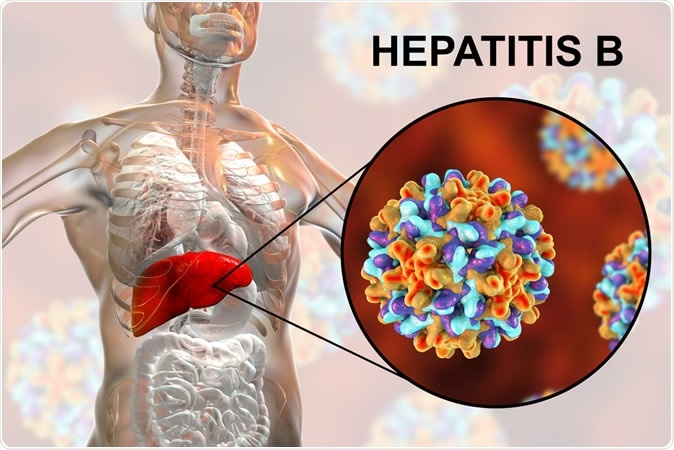
Hepatitis B is a liver disease caused by the Hepatitis B Virus (HBV). Infection can be short-term (acute) or long-term (chronic). One in two people with Hepatitis B do not know they are infected. HBV is highly contagious and spreads through contact with infected blood and body fluids. Vaccination is the best way to prevent […]
The Invisible Enemy: Chlamydia in Women and the Silent Threat of Infertility
Most of us tend to think that if there are no unusual symptoms, the body is perfectly healthy. However, the truth is that there is an invisible ‘enemy’ silently hiding in your body, capable of causing serious consequences, even infertility. That is Chlamydia, one of the most common sexually transmitted diseases (STDs) in women. Chlamydia […]
Urinary Tract Infection-UTI
Urinary Tract Infection (UTI), also known as urinary tract infection or urinary infection, is one of the most common infections globally, affecting millions each year worldwide, with a significant financial burden on society. The disease occurs when bacteria invade any part of the urinary system, including the kidneys, ureters, bladder, and urethra. Although usually treatable, […]
Syphilis Testing: Current Methods, Pros & Cons, and What You Need to Know
Syphilis is one of the common sexually transmitted infections (STIs) that can progress silently but leave serious consequences if not detected and treated promptly. Regular syphilis testing helps with early diagnosis, protecting your health and that of your partner. This article will help you understand the current syphilis testing methods, the pros and cons of […]

Persistent Sore Throat That Won’t Go Away? Do Not Ignore It – You Might Have Chlamydia!
Have you ever had a sore throat that dragged on for weeks, visiting multiple doctors without finding the cause? Even antibiotics didn’t help? It is very likely that the culprit is not the flu, a virus, or common bacteria – but a sexually transmitted infection called Chlamydia. Chlamydia doesn’t just “hide” in the genital area. […]
Syphilis Overview
Syphilis is one of the most common and serious Sexually Transmitted Infections (STIs), caused by the bacterium Treponema pallidum. If not diagnosed and treated promptly, the disease can progress through multiple stages, causing permanent damage and threatening life. 1. What is Syphilis?? Syphilis is an infection caused by the spirochete bacterium Treponema pallidum. The disease can […]

Chlamydia: A Comprehensive Overview
Chlamydia is one of the most common Sexually Transmitted Infections (STIs) worldwide, caused by the bacterium Chlamydia trachomatis. It is preventable and curable, spreading mainly through unprotected vaginal, oral, and anal sex. 1. What is Chlamydia? Chlamydia is a common sexually transmitted infection (STI) that can occur in both men and women, caused by the […]
Syphilis in the LGBT Community: Are Signs, Symptoms, and Treatment Different?
1. Syphilis and the LGBT Community? Syphilis is a sexually transmitted infection (STI) caused by the bacterium Treponema pallidum. Although it affects all population groups, the rate of syphilis infection is higher in the LGBT community, especially among men who have sex with men (MSM), due to certain sexual behavioral characteristics and barriers to healthcare access. […]
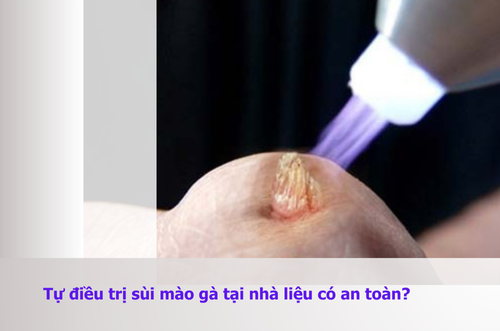
Can Genital Warts Be Treated at Home?
1. What are Genital Warts? Genital warts, also called venereal warts or anogenital warts, are a common sexually transmitted infection (STIs) caused by the Human Papillomavirus (HPV). Although most HPV infections are clinically asymptomatic, HPV types 6 and 11 are responsible for about 90% of visible genital wart cases. It is important to note that other HPV types, […]