




Submit your info or message us on Zalo or Messenger
Hepatitis C: Do Not Ignore It!
Health bulletin
13/09/2025
Hepatitis C is a liver inflammation caused by the Hepatitis C virus (HCV). You can contract the virus through contact with infected blood. Most people with HCV have no symptoms.
Crucial Fact: There is currently no vaccine for Hepatitis C. The best prevention is avoiding high-risk behaviors.
However, testing and treatment can prevent complications and stop transmission. Hepatitis C is curable in over 95% of cases. Left untreated, it can lead to chronic liver disease, cirrhosis, liver failure, or liver cancer.
1. What is Hepatitis C?
Hepatitis C is a liver infection caused by the HCV virus. This virus has multiple genotypes (types 1 and 6 are most common in Vietnam). It spreads through blood, sexual contact, and from mother to child. It can be acute or chronic.
2. Epidemiology:
Hepatitis C is a global health issue affecting tens of millions.
- Global (WHO): Estimated 50 million people have chronic HCV, with 1 million new infections annually. In 2022, approx. 242,000 people died from HCV-related liver disease.
- USA (CDC): In 2023, there were over 100,000 chronic cases and 11,000 deaths.
- Vietnam: Estimated 900,000 people with chronic HCV in 2021, causing nearly 5,000 deaths. High prevalence in high-risk groups: 30% in HIV+ individuals and 40-90% in people who inject drugs.
3. Transmission Routes:
HCV spreads primarily through direct contact with infected blood, even in tiny amounts.
- Injection Drug Use: Sharing needles or syringes is the #1 cause.
- Unsafe Medical Procedures: Unscreened blood transfusions (mostly before 1992) or unsterile medical/dental equipment.
- Occupational Exposure: Needlestick injuries in healthcare.
- Tattooing/Piercing: Using unsterile equipment.
- Mother to Child: Risk is low (<10%).
- Sexual Contact: Risk is generally low but higher for MSM or those with multiple partners/other STIs.
Myth Buster: Hepatitis C is NOT spread through:
- Breast milk
- Food or water
- Casual contact (hugging, kissing, sharing utensils)
4. Symptoms:
Often called the “Silent Killer” because most people have no symptoms early on.
4.1. Acute Hepatitis C
Lasts <6 months. About 30% of people clear the virus naturally. Symptoms (if any) are mild:
- Fatigue, low energy.
- Nausea, loss of appetite.
- Mild fever.
- Muscle/joint pain.
- Pain in the upper right abdomen.
- Dark urine.
4.2. Chronic Hepatitis C
Occurs when the body cannot clear the virus (>6 months). It progresses silently for 10-30 years. Late symptoms indicate severe damage:
- Chronic fatigue.
- Easy bruising/bleeding.
- Itchy skin.
- Fluid buildup in legs (edema) or abdomen (ascites).
- Confusion (hepatic encephalopathy).
- Spider-like blood vessels on skin.
5. Risk Factors
- Injecting drugs: Current or past use.
- Blood transfusion/organ transplant: Before 1992.
- Healthcare workers: Exposed to blood.
- Tattoos/Piercings: In unregulated settings.
- Hemodialysis patients.
- Born to an HCV+ mother.
- HIV co-infection.
6. Complications
Untreated chronic HCV is dangerous due to:
- Chronic Hepatitis: Persistent inflammation.
- Cirrhosis: Liver scarring leading to loss of function.
- Liver Cancer (HCC): Risk is 12x higher in HCV+ individuals.
- Liver Failure: Life-threatening condition requiring transplant.
- Extra-hepatic issues: Diabetes, kidney disease, depression, lymphoma.

7. Diagnosis:
Diagnosis involves a two-step blood test process:

- Blood Tests:
- HCV Antibody Test (Anti-HCV antibodies): This is the initial screening test to detect antibodies against the Hepatitis C virus. These antibodies typically appear about 8-12 weeks after infection. If positive, a follow-up test is needed to confirm active viral infection.
- HCV RNA Test (PCR): This is an important test to identify the presence of the HCV virus in the blood and measure the viral load. If Anti-HCV is positive but HCV RNA is negative, the patient may have been previously infected and recovered naturally or been successfully treated. If both are positive, the patient has an active HCV infection.
- HCV Core Ag Test: Detects the core antigen of the virus, which is also a marker of active HCV infection. It appears in the patient’s blood about 2 weeks after HCV infection. In cases where the HCV RNA test cannot be performed, a positive HCVcAg (HCV core Antigen) is considered the standard criterion for confirming current HCV infection.
- Liver Function Tests: Measures the levels of liver enzymes (ALT, AST), bilirubin, albumin, and total protein to assess the extent of liver damage and function.
- Assessment of Liver Damage Level:
- FibroScan (Transient Elastography): A non-invasive method to assess the degree of liver fibrosis.
- Liver Biopsy: In some cases, a liver biopsy may be performed to accurately assess the degree of inflammation and fibrosis.
8. Treatment:
Hepatitis C can be completely cured with direct-acting antiviral (DAAs) drugs. The treatment regimen depends on the virus’s genotype, the extent of liver damage, and previous treatment history.
- Direct-Acting Antiviral (DAAs) Drugs: This is a breakthrough in Hepatitis C treatment, with a very high cure rate (over 95%).
- Treatment Duration: Usually 8, 12, or 16 weeks, depending on the regimen, the viral genotype, and the presence of cirrhosis.
- Important Notes:
- Treatment must be prescribed and monitored by a specialist doctor.
- Do not self-treat or stop taking the medication without a doctor’s instruction.
- For acute HCV infection, a shortened DAA treatment regimen is not recommended.
9. Post-Treatment Monitoring:
Post-treatment follow-up is very important to confirm a cure and monitor for potential liver complications, especially in those who already have cirrhosis.
- Confirmation of Cure (SVR – Sustained Virologic Response):
- After completing DAA treatment, patients need to be retested for HCV RNA at 12 weeks (SVR12) or 24 weeks (SVR24). If HCV RNA is no longer detectable, the patient is considered cured.
- Achieving SVR means the virus has been eliminated from the body, significantly reducing the risk of progressive liver disease and liver cancer.
- Monitoring for Liver Complications (for patients with pre-existing cirrhosis):
- Even after being cured of HCV, patients who already have cirrhosis remain at high risk of developing liver cancer and require regular liver cancer screening (liver ultrasound and AFP test every 6 months).
- Regular monitoring of liver function and the degree of liver fibrosis.
- Counseling and Education: Counseling on measures to prevent HCV reinfection and other liver diseases (e.g., avoiding alcohol).
10. Prevention:
Currently, there is no vaccine to prevent Hepatitis C. Therefore, prevention methods primarily focus on avoiding contact with blood and other body fluids contaminated with HCV.
- Avoiding contact with HCV-contaminated blood:
- Do not share needles: Absolutely do not share needles, syringes, or any drug injection equipment. This is the most crucial prevention measure.
- Ensure safety in healthcare: Use disposable or properly sterilized needles and medical equipment.
- Be cautious with tattooing, piercing, and manicures: Only use reputable establishments that ensure hygiene and proper sterilization of tools.
- Do not share personal items: Avoid sharing razors, toothbrushes, nail clippers, or any item that may have blood on it.
- Practicing safe sex: Although the risk of sexual transmission is low, the correct and consistent use of condoms is necessary, especially with multiple partners or high-risk partners.
- Screening of blood and blood products: Ensure all blood and blood products are thoroughly screened before transfusion.
- Screening of pregnant women: Pregnant women with risk factors should be tested for HCV for timely detection and counseling.
This article is written by BS. CKI. Võ Nguyễn Duy Hoà, to provide fundamental knowledge about Hepatitis C, its transmission methods, recognizable signs, the importance of early diagnostic testing and treatment, as well as effective prevention. It helps you understand correctly to proactively protect your health and the community.
Reference
- [1]. Clinical Overview of Hepatitis C
https://www.cdc.gov/hepatitis-c/hcp/clinical-overview/index.html - [2]. Hepatitis C Surveillance
https://www.cdc.gov/hepatitis-surveillance-2023/hepatitis-c/index.html - [3]. Hepatitis C
https://www.who.int/news-room/fact-sheets/detail/hepatitis-c - [4]. Hướng dẫn chẩn đoán và điều trị bệnh viêm gan vi rút c
(Ban hành kèm theo Quyết định số 2855/QĐ-BYT, ngày 25 tháng 9 năm 2024 của Bộ trưởng Bộ Y tế)
https://thuvienphapluat.vn/van-ban/The-thao-Y-te/Quyet-dinh-2855-QD-BYT-2024-Huong-dan-chan-doan-va-dieu-tri-benh-viem-gan-vi-rut-C-625605.aspx - [5], Benhvien108.vn – Hướng dẫn quản lý và điều trị viêm gan vi-rút C năm 2023:
https://www.benhvien108.vn/duoc-lam-sang/huong-dan-quan-ly-va-dieu-tri-viem-gan-vi-rút-c-nam-2023.htm - [6]. 16.000 liều thuốc chữa viêm gan C đã được điều trị cho người nhiễm HIV, người đang uống methadone
https://moh.gov.vn/tin-lien-quan/-/asset_publisher/vjYyM7O9aWnX/content/hon-16-000-lieu-thuoc-chua-viem-gan-c-a-uoc-ieu-tri-cho-nguoi-nhiem-hiv-nguoi-ang-uong-methadone
Related news
Hepatitis C: Do Not Ignore It!
Hepatitis C is a liver inflammation caused by the Hepatitis C virus (HCV). You can contract the virus through contact with infected blood. Most people with HCV have no symptoms. Crucial Fact: There is currently no vaccine for Hepatitis C. The best prevention is avoiding high-risk behaviors. However, testing and treatment can prevent complications and […]
Hepatitis B: A Comprehensive Guide
Hepatitis B is a liver disease caused by the Hepatitis B Virus (HBV). Infection can be short-term (acute) or long-term (chronic). One in two people with Hepatitis B do not know they are infected. HBV is highly contagious and spreads through contact with infected blood and body fluids. Vaccination is the best way to prevent […]
The Invisible Enemy: Chlamydia in Women and the Silent Threat of Infertility
Most of us tend to think that if there are no unusual symptoms, the body is perfectly healthy. However, the truth is that there is an invisible ‘enemy’ silently hiding in your body, capable of causing serious consequences, even infertility. That is Chlamydia, one of the most common sexually transmitted diseases (STDs) in women. Chlamydia […]
Urinary Tract Infection-UTI
Urinary Tract Infection (UTI), also known as urinary tract infection or urinary infection, is one of the most common infections globally, affecting millions each year worldwide, with a significant financial burden on society. The disease occurs when bacteria invade any part of the urinary system, including the kidneys, ureters, bladder, and urethra. Although usually treatable, […]
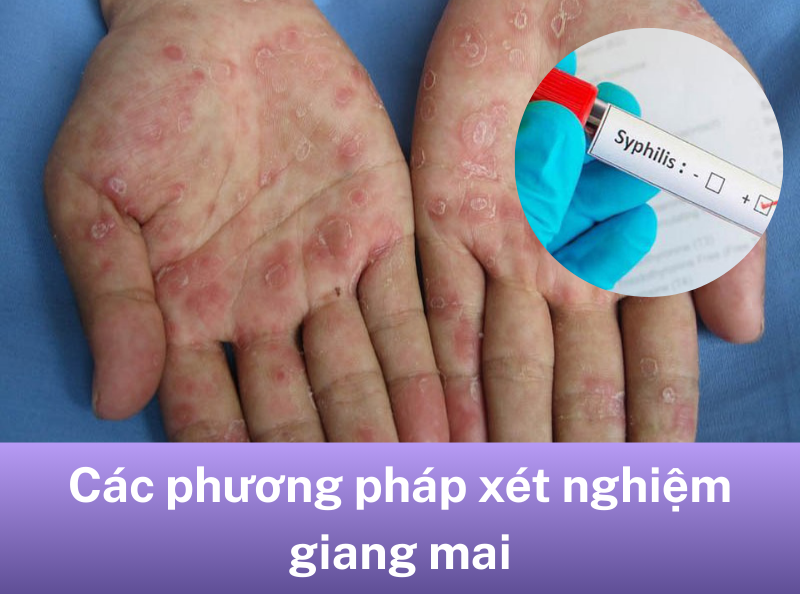
Syphilis Testing: Current Methods, Pros & Cons, and What You Need to Know
Syphilis is one of the common sexually transmitted infections (STIs) that can progress silently but leave serious consequences if not detected and treated promptly. Regular syphilis testing helps with early diagnosis, protecting your health and that of your partner. This article will help you understand the current syphilis testing methods, the pros and cons of […]

Persistent Sore Throat That Won’t Go Away? Do Not Ignore It – You Might Have Chlamydia!
Have you ever had a sore throat that dragged on for weeks, visiting multiple doctors without finding the cause? Even antibiotics didn’t help? It is very likely that the culprit is not the flu, a virus, or common bacteria – but a sexually transmitted infection called Chlamydia. Chlamydia doesn’t just “hide” in the genital area. […]
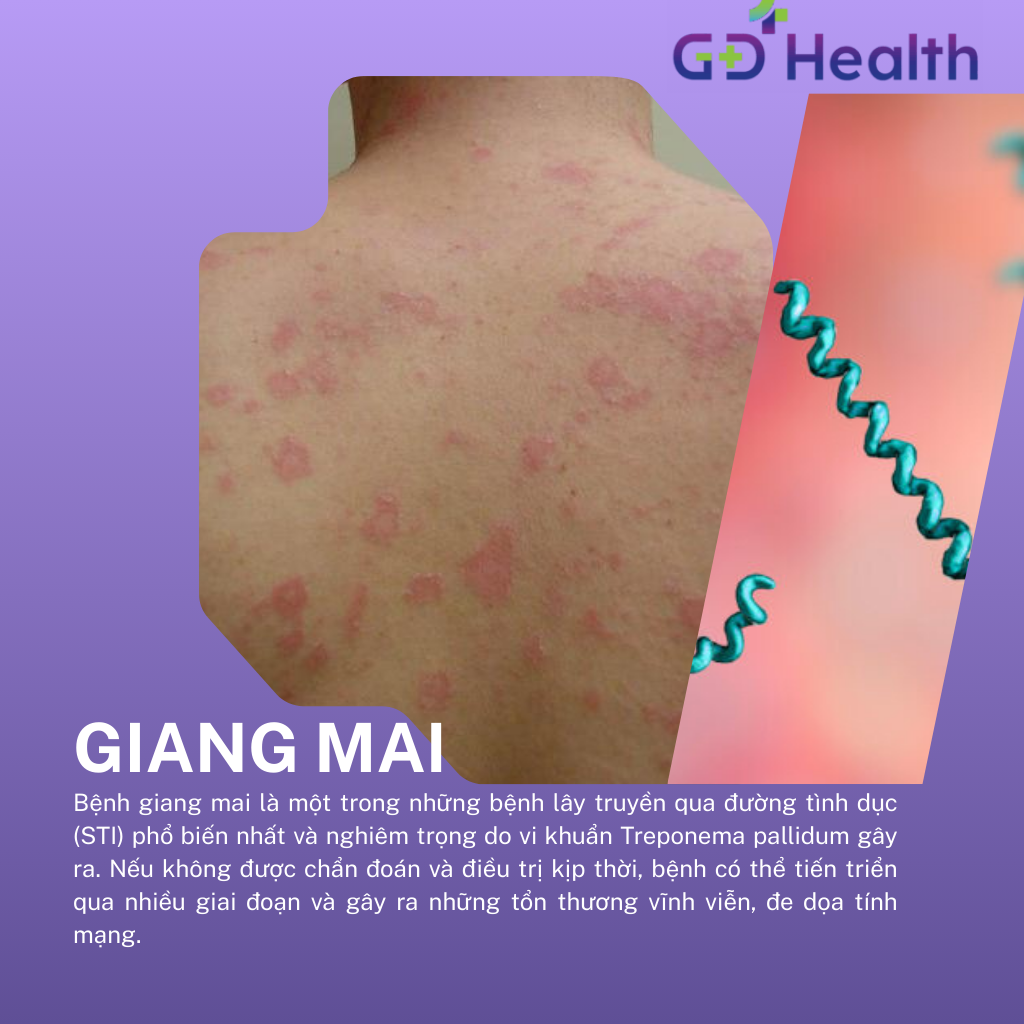
Syphilis Overview
Syphilis is one of the most common and serious Sexually Transmitted Infections (STIs), caused by the bacterium Treponema pallidum. If not diagnosed and treated promptly, the disease can progress through multiple stages, causing permanent damage and threatening life. 1. What is Syphilis?? Syphilis is an infection caused by the spirochete bacterium Treponema pallidum. The disease can […]

Chlamydia: A Comprehensive Overview
Chlamydia is one of the most common Sexually Transmitted Infections (STIs) worldwide, caused by the bacterium Chlamydia trachomatis. It is preventable and curable, spreading mainly through unprotected vaginal, oral, and anal sex. 1. What is Chlamydia? Chlamydia is a common sexually transmitted infection (STI) that can occur in both men and women, caused by the […]
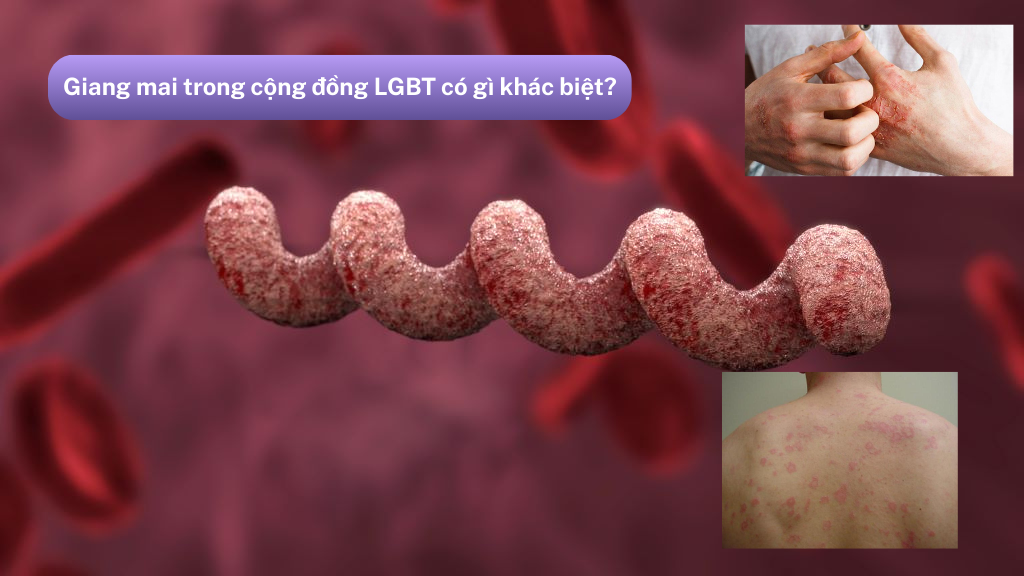
Syphilis in the LGBT Community: Are Signs, Symptoms, and Treatment Different?
1. Syphilis and the LGBT Community? Syphilis is a sexually transmitted infection (STI) caused by the bacterium Treponema pallidum. Although it affects all population groups, the rate of syphilis infection is higher in the LGBT community, especially among men who have sex with men (MSM), due to certain sexual behavioral characteristics and barriers to healthcare access. […]

Can Genital Warts Be Treated at Home?
1. What are Genital Warts? Genital warts, also called venereal warts or anogenital warts, are a common sexually transmitted infection (STIs) caused by the Human Papillomavirus (HPV). Although most HPV infections are clinically asymptomatic, HPV types 6 and 11 are responsible for about 90% of visible genital wart cases. It is important to note that other HPV types, […]