




Submit your info or message us on Zalo or Messenger
Urinary Tract Infection-UTI
Health bulletin
12/09/2025
Urinary Tract Infection (UTI), also known as urinary tract infection or urinary infection, is one of the most common infections globally, affecting millions each year worldwide, with a significant financial burden on society. The disease occurs when bacteria invade any part of the urinary system, including the kidneys, ureters, bladder, and urethra. Although usually treatable, if not diagnosed and handled promptly, a urinary tract infection can lead to serious complications and even death. The rate of antibiotic resistance is becoming an increasingly worrying issue.
1. What is a Urinary Tract Infection (UTI)?
A Urinary Tract Infection (UTI) is an infection usually caused by bacteria invading any part of the urinary system. It can also be caused by other agents such as fungi, flagellates, or viruses.
Structure of the Urinary System:
- Kidneys: Filter blood and produce urine.
- Ureters: Tubes that carry urine from the kidneys to the bladder.
- Bladder: A sac that stores urine.
- Urethra: A tube that carries urine from the bladder out of the body.
A urinary tract infection can cause:
- Urethritis: Infection of the urethra.
- Cystitis: Infection of the bladder. This is the most common form of UTI, especially in women.
- Pyelonephritis: Infection of the kidneys. This is a less common but more serious form of UTI that can cause permanent kidney damage if not treated.
2. Epidemiology of Urinary Tract Infection
UTI is a significant public health issue globally and in Vietnam, with a high incidence rate across all ages, especially in women. According to Global Health (2021), approximately 93.7% of people are at risk of developing a UTI in their lifetime, with women being more affected than men (96.05% compared to 77.27%). Up to 50% of women contract the disease at least once in their lives, and 30% of women under 24 have UTI symptoms requiring antibiotic treatment. [1] Annually, there are about 404 million new UTI cases and nearly 237,000 related deaths globally. [2].
- E. coli causes about 80-90% of community-acquired UTI cases.
- Route of transmission and pathogenesis:
UTI is not a sexually transmitted infection (STI), but primarily occurs when bacteria from the skin or digestive tract (especially E. coli) enter the urinary tract through the urethra.
- Main Mechanism: Bacteria from the anal area or surrounding skin enter the urethra, then travel upstream to the bladder and potentially up to the kidneys.
- In Women: The shorter urethra and its proximity to the anus are key anatomical factors that make women more susceptible to UTIs than men.
- Sexual Intercourse: Although not an STI, sexual intercourse can push bacteria from the anal or vaginal area into the urethra, increasing the risk of UTI in women.
- Other Agents: Some cases of urethritis may be caused by sexually transmitted agents such as Chlamydia trachomatis or Trichomonas vaginalis, but these are special cases and are usually limited to the urethra.
3. Symptoms of Urinary Tract Infection
The symptoms of a urinary tract infection can vary depending on the location of the infection and its severity. Some people may not have clear symptoms (asymptomatic bacteriuria).
3.1. Lower Urinary Tract Symptoms:
Lower urinary tract infections affect the urethra and bladder. Symptoms of lower urinary tract infections include:
- Painful, burning, or stinging sensation when urinating (dysuria).
- Urgency, frequency, and passing small amounts of urine (polyuria).
- Blood in the urine (hematuria).
- Cloudy urine.
- Urine that looks like cola or dark tea.
- Strong-smelling urine.
- Pelvic pain in women.
- Rectal pain in men.
3.2. Upper Urinary Tract Symptoms:
Upper urinary tract infections affect the kidneys. These cases can be life-threatening if bacteria move from the infected kidney into the bloodstream. This condition, known as urosepsis, can cause dangerous hypotension, shock, and death. Symptoms of upper urinary tract infections include:
- Pain in the flank or lower back.
- Chills.
- Fever.
- Nausea.
- Vomiting.
3.3. Symptoms in Children:
Signs of UTI in children are often difficult to detect and may be non-specific, posing a danger if not handled promptly:
- Infants and Young Children: Fever, irritability, poor feeding, slow weight gain, vomiting, diarrhea, foul-smelling urine.
- Older Children: Flank or side pain (if kidney infection), dysuria, urinary incontinence (wetting), painful urination (boys may squeeze their penis when urinating due to pain).
3.4. Symptoms by Location in the Urinary System:
3.4.1. Pyelonephritis (Kidney Infection):
Pyelonephritis is an infection in the kidneys, which can be serious if not treated promptly. Symptoms usually appear about 48 hours after infection and may include:
- High Fever: Often above 38.9°C (102°F), accompanied by chills and shivering.
- Pain: Pain in the abdomen, back, flank, or groin. The pain is usually localized to one side (the side of the infected kidney), sometimes severe or may be renal colic.
- Urinary Disturbances:
- Dysuria, painful urination: A painful, burning sensation when urinating, frequent urination but small amounts.
- Abnormal urine: Cloudy urine, pus or blood in the urine, foul or fishy odor.
- Systemic Symptoms: Nausea, vomiting, fatigue, body aches, loss of appetite. In older adults: May only manifest as mental status changes. In severe cases: Can cause severe systemic infection, septic shock, multi-organ failure, oliguria or anuria (passing little or no urine), even death.
3.4.2. Cystitis (Bladder Infection):
Cystitis is a lower urinary tract infection that affects the bladder. Common symptoms include:
- Urinary Disturbances:
- Dysuria, burning: A painful, burning sensation when urinating, like being pricked.
- Urgency, frequency: A sudden urge to urinate, unable to hold urine, frequent urination throughout the day but passing only small amounts each time.
- Incontinence: Sometimes there is urinary incontinence (leaking before reaching the toilet).
- Feeling of incomplete bladder emptying.
- Abnormal Urine: Cloudy urine, pus, foul odor, or mixed with blood (may be visible or only detected by testing). The urine may be dark.
- Pain: Pain or pressure in the lower abdomen, near the pubic bone, pelvis, or may be in the back. The pain may lessen after urination.
- Other Symptoms: May include low-grade fever (below 38°C or 100.4°F), chills, fatigue, nausea, pain during sexual intercourse. Absence of: irritation or vaginal discharge. In children: May include frequent bedwetting at night.
3.4.3. Urethritis (Urethra Infection):
Urethritis is inflammation of the tube that carries urine from the bladder out of the body. The main signs are usually painful urination and abnormal discharge.
- Urinary Disturbances:
- Dysuria, burning: A painful, burning sensation along the urethra when urinating, especially at the start of the stream.
- Frequency, urgency: Persistent urge to urinate but small amounts, frequent urination day and night. Difficulty starting to urinate, straining to urinate.
- Abnormal Discharge:
- In men: White, yellowish, or greenish mucous discharge from the urethra (meatus). This is often more pronounced in the early morning.
- In women: Abnormal discharge from the vagina/urethra.
- Pain, Discomfort in Genitals:
- In men: The penis may be red and swollen, tense, testicular pain, itching of the meatus and foreskin. Pain during erection and ejaculation.
- In women: Pain or pressure in the lower genital area when urinating, pain during sexual intercourse.
- Abnormal Urine: Yellow, cloudy urine or mixed with pus/fresh blood.
- Other Symptoms: Dull pain in the lower abdomen, lower back, pubic bone, fever (rare), nausea, swollen lymph nodes in the groin.
4. Risk Factors
Anything that reduces the ability to empty the bladder or irritates the urinary tract can lead to a UTI. Additionally, many factors can increase the risk of contracting a UTI, including:
- Age: Older adults are more likely to have UTIs.
- Female Sex: In the female body, the urethra is shorter and very close to both the vagina and the anus. This increases the likelihood of a UTI. Bacteria that naturally exist around both the vagina and anus can lead to infection in the urethra and the rest of the urinary tract.
- Sexual Activity: Pressure on the female urinary tract during penetrative sexual intercourse can move bacteria from around the anus into the bladder. Oral sex can also introduce bacteria into the urethra, increasing the risk of infection. Urinating after sexual intercourse can help reduce the risk of infection.
- Use of Certain Contraceptive Methods: Spermicide can increase the risk of UTIs because it can disrupt the vaginal microbiota. Non-lubricated condoms (non-lubricated latex condoms) can increase friction and skin irritation during sexual intercourse, increasing the risk. Diaphragms can put pressure on the urethra, reducing the ability to empty the bladder, leading to an increased risk of bacterial growth and infection.
- Pregnancy: Hormonal changes and pressure on the bladder during pregnancy.
- Menopause: Estrogen decline alters the vaginal bacterial flora, causing changes in the urinary tract.
- Urinary Tract Obstruction:
- Urinary Stones (Kidney stones, ureteral stones, bladder stones, urethral stones): Cause blockage of urine flow, creating a favorable environment for bacterial growth.
- Prostatic Hyperplasia (in men).
- Tumors, Growths of the urinary tract or congenital or acquired anatomical abnormalities of the urinary system.
- Catheterization (Urinary Catheter): Prolonged catheterization increases the likelihood of bacteria migrating along the catheter into the bladder.
- Weakened Immune System: Due to diabetes, HIV, or the use of immunosuppressive drugs.
- Reduced Mobility: After surgery or prolonged bed rest.
- Lifestyle Habits: Frequently holding urine, drinking too little water, improper hygiene.
- History of Recurrent UTIs.
5. Complications
A urinary tract infection can be completely cured if treated promptly and effectively. If not diagnosed and treated in time, it can lead to serious complications:
- Kidney Infection (Pyelonephritis): This is the most severe complication, which can lead to permanent kidney damage, kidney failure, or blood infection (sepsis).
- Blood Infection (Sepsis): Bacteria from the urinary tract can enter the bloodstream and spread throughout the body, causing septic shock, multiple organ failure, and threatening life.
- Recurrent UTI: Especially in women, UTIs tend to recur multiple times.
- Pregnancy Complications: For pregnant women, untreated UTIs can lead to premature birth and low birth weight.
- Urethral Stricture: Chronic or recurrent infection can cause scarring and narrowing of the urethra in men.
6. Diagnosis
Diagnosis of a urinary tract infection is usually based on clinical symptoms. If you suspect you have a UTI, seek medical attention and get full testing.
- Urine Tests:
- Urinalysis (Tổng phân tích nước tiểu): Detects the presence of white blood cells, red blood cells, nitrites (indicators of infection), and protein in the urine.
- Urine Culture (Cấy nước tiểu): Identifies the type of bacteria causing the infection and the number of bacteria. This is an important test to guide the selection of appropriate antibiotics (antibiogram).
- Complete Blood Count (Xét nghiệm công thức máu): Evaluates the level of infection, especially if it is an upper urinary tract infection.
- Imaging Tests: Performed in cases of recurrent, complicated UTIs, or suspicion of structural abnormalities in the urinary tract:
- Renal and Bladder Ultrasound (Siêu âm thận – bàng quang): Evaluates kidney structure, looks for stones, and obstruction.
- Intravenous Pyelogram (IVP) (Chụp X-quang hệ tiết niệu có tiêm thuốc cản quang): Detailed evaluation of the urinary tract.
- CT scan or MRI (Chụp cắt lớp vi tính hoặc chụp cộng hưởng từ): Provides more detailed images of the kidneys and urinary tract.
- Voiding Cystourethrogram (VCUG) (Chụp bàng quang niệu đạo có cản quang khi đi tiểu): Often used in children to detect Vesicoureteral Reflux (VUR).
7. Treatment
Urinary tract infections are usually treated with antibiotics. The treatment regimen depends on the severity of the infection, the type of causative agent (bacteria, virus, fungi), and the state of drug resistance.
- Antibiotics:
- For uncomplicated UTI (Cystitis): Antibiotics are often used for a short course of treatment (3-7 days).
- For complicated UTI or Pyelonephritis (Viêm thận – bể thận): A stronger antibiotic regimen is needed, which may include initial intravenous injection and a longer treatment duration (usually 7-14 days or more).
- For Pregnant Women: Antibiotics safe for the fetus need to be selected and closely monitored.
- Symptom Relief: Over-the-counter pain relievers can help reduce pain and fever. Some urinary antiseptics help reduce the burning sensation when urinating.
- Drink Enough Water: Helps flush bacteria out of the urinary tract when urinating.
- Avoid Irritants: Coffee, alcohol, carbonated drinks, and spicy foods can worsen symptoms.
8. Follow-up After Treatment
Follow-up after treatment is important to ensure the infection has been completely eliminated and to prevent recurrence.
- Repeat Urine Tests:
- For uncomplicated UTIs, repeat testing is usually not needed if symptoms have completely resolved.
- For complicated UTIs like pyelonephritis, or in pregnant women, a repeat urine test is needed after completing treatment to confirm a cure.
- Follow-up Visit: If symptoms do not improve after a few days of treatment, or if they recur after stopping the medication, a follow-up visit is required immediately for reassessment and adjustment of the regimen.
- Counseling and Education: Patients need to be counseled on UTI prevention measures to reduce the risk of recurrence.
9. Prevention
Preventing urinary tract infections is crucial to reduce the incidence and complications of the disease. Effective prevention measures include:
- Drink Enough Water: Drinking plenty of water (especially plain water) helps to dilute urine and promotes frequent urination, which helps flush bacteria out of the urinary tract.
- Proper Hygiene:
- In Women: Always wipe from front to back after urinating and having a bowel movement to prevent bacteria from the anus spreading to the urethra.
- Clean the genital area daily.
- Urinate Frequently: Do not hold urine for too long. Urinate as soon as you feel the urge.
- Urinate After Sexual Intercourse: Helps flush out bacteria that may have entered the urethra during intercourse.
- Avoid Irritating Hygiene Products: Scented soaps, feminine hygiene washes can irritate the urethra and increase the risk of infection.
- Lifestyle Changes: Wear breathable cotton underwear, avoid tight-fitting clothes.
- For Postmenopausal Women: May consider local estrogen therapy (as directed by a doctor) to improve urethral and vaginal health.
- For Recurrent UTIs: Evaluate for recurrence factors (congenital abnormalities, urinary stones, prostate tumors, antibiotic resistance, etc.).
- Cranberry: Cranberry juice or cranberries do not treat a UTI once it has started. However, cranberries contain a component that can help prevent some types of bacteria from sticking to your bladder lining. This can help prevent future UTIs. The AUA (American Urological Association) recommends the use of cranberries as a prophylactic measure for women with recurrent UTIs. (3, 6)
This article is written by BS. CKI. Võ Nguyễn Duy Hoà, to provide fundamental knowledge about UTI, its transmission methods, recognizable signs, the importance of early diagnostic testing and treatment, as well as effective prevention. It helps you understand correctly to proactively protect your health and the community.
Reference
- [1]. Li, L., Li, Y., Chen, Y. et al.Global, regional, and national lifetime probabilities of urinary tract infections and interstitial nephritis from 1990 to 2021. J Health Popul Nu, tr 44, 231 (2025). https://doi.org/10.1186/s41043-025-00950-y
- [2]. Yang, X., Chen, H., Zheng, Y., Qu, S., Wang, H., & Yi, F. (2022). Disease burden and long-term trends of urinary tract infections: A worldwide report. Frontiers in public health, 10, 888205. https://doi.org/10.3389/fpubh.2022.888205
- [3]. Everything to Know About UTIs in Adults
https://www.healthline.com/health/urinary-tract-infection-adults - [4]. HƯỚNG DẪN ĐIỀU TRỊ NHIỄM KHUẨN ĐƯỜNG TIẾT NIỆU CẬP NHẬT 2020
HỘI TIẾT NIỆU-THẬN HỌC VIỆT NAM (VUNA-The Vietnam Urology &Nephrology Association) - [5]. Urinary Tract Infection Basics
https://www.cdc.gov/uti/about/index.html#cdc_disease_basics_symptoms_mngmt-diagnosis - [6]. Recurrent Uncomplicated Urinary Tract Infections in Women: AUA/CUA/SUFU Guideline (2022).
https://www.auanet.org/guidelines-and-quality/guidelines/recurrent-uti
Related news
Hepatitis C: Do Not Ignore It!
Hepatitis C is a liver inflammation caused by the Hepatitis C virus (HCV). You can contract the virus through contact with infected blood. Most people with HCV have no symptoms. Crucial Fact: There is currently no vaccine for Hepatitis C. The best prevention is avoiding high-risk behaviors. However, testing and treatment can prevent complications and […]
Hepatitis B: A Comprehensive Guide
Hepatitis B is a liver disease caused by the Hepatitis B Virus (HBV). Infection can be short-term (acute) or long-term (chronic). One in two people with Hepatitis B do not know they are infected. HBV is highly contagious and spreads through contact with infected blood and body fluids. Vaccination is the best way to prevent […]
The Invisible Enemy: Chlamydia in Women and the Silent Threat of Infertility
Most of us tend to think that if there are no unusual symptoms, the body is perfectly healthy. However, the truth is that there is an invisible ‘enemy’ silently hiding in your body, capable of causing serious consequences, even infertility. That is Chlamydia, one of the most common sexually transmitted diseases (STDs) in women. Chlamydia […]
Urinary Tract Infection-UTI
Urinary Tract Infection (UTI), also known as urinary tract infection or urinary infection, is one of the most common infections globally, affecting millions each year worldwide, with a significant financial burden on society. The disease occurs when bacteria invade any part of the urinary system, including the kidneys, ureters, bladder, and urethra. Although usually treatable, […]

Syphilis Testing: Current Methods, Pros & Cons, and What You Need to Know
Syphilis is one of the common sexually transmitted infections (STIs) that can progress silently but leave serious consequences if not detected and treated promptly. Regular syphilis testing helps with early diagnosis, protecting your health and that of your partner. This article will help you understand the current syphilis testing methods, the pros and cons of […]

Persistent Sore Throat That Won’t Go Away? Do Not Ignore It – You Might Have Chlamydia!
Have you ever had a sore throat that dragged on for weeks, visiting multiple doctors without finding the cause? Even antibiotics didn’t help? It is very likely that the culprit is not the flu, a virus, or common bacteria – but a sexually transmitted infection called Chlamydia. Chlamydia doesn’t just “hide” in the genital area. […]

Syphilis Overview
Syphilis is one of the most common and serious Sexually Transmitted Infections (STIs), caused by the bacterium Treponema pallidum. If not diagnosed and treated promptly, the disease can progress through multiple stages, causing permanent damage and threatening life. 1. What is Syphilis?? Syphilis is an infection caused by the spirochete bacterium Treponema pallidum. The disease can […]
Chlamydia: A Comprehensive Overview
Chlamydia is one of the most common Sexually Transmitted Infections (STIs) worldwide, caused by the bacterium Chlamydia trachomatis. It is preventable and curable, spreading mainly through unprotected vaginal, oral, and anal sex. 1. What is Chlamydia? Chlamydia is a common sexually transmitted infection (STI) that can occur in both men and women, caused by the […]
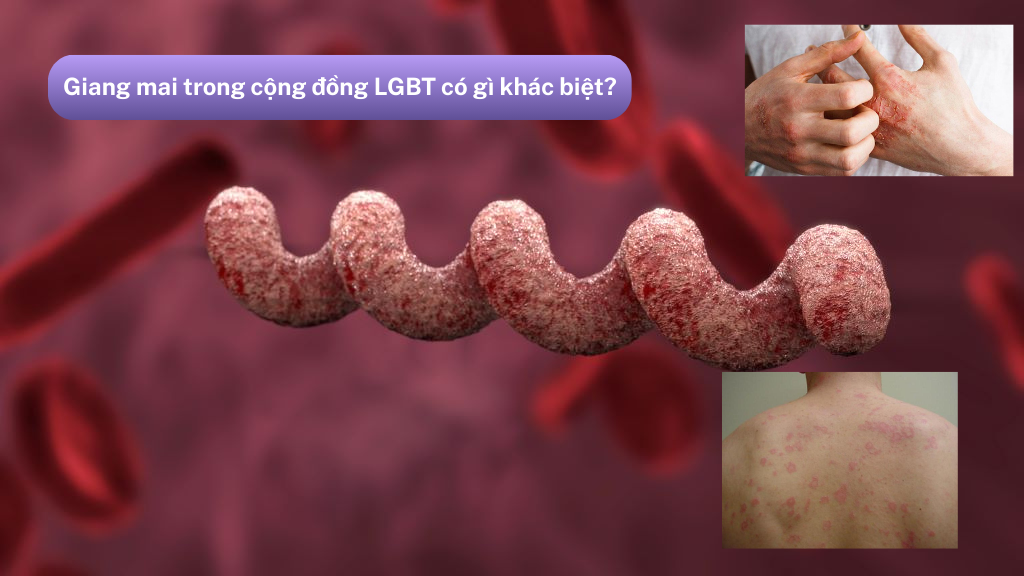
Syphilis in the LGBT Community: Are Signs, Symptoms, and Treatment Different?
1. Syphilis and the LGBT Community? Syphilis is a sexually transmitted infection (STI) caused by the bacterium Treponema pallidum. Although it affects all population groups, the rate of syphilis infection is higher in the LGBT community, especially among men who have sex with men (MSM), due to certain sexual behavioral characteristics and barriers to healthcare access. […]
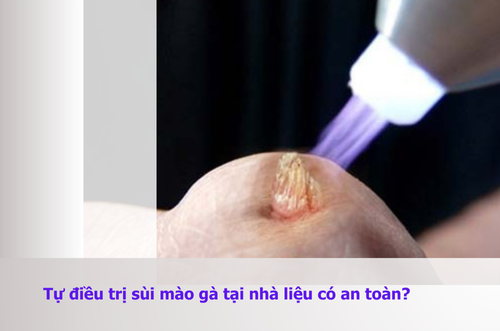
Can Genital Warts Be Treated at Home?
1. What are Genital Warts? Genital warts, also called venereal warts or anogenital warts, are a common sexually transmitted infection (STIs) caused by the Human Papillomavirus (HPV). Although most HPV infections are clinically asymptomatic, HPV types 6 and 11 are responsible for about 90% of visible genital wart cases. It is important to note that other HPV types, […]