




Submit your info or message us on Zalo or Messenger
Syphilis Testing: Current Methods, Pros & Cons, and What You Need to Know
Health bulletin
11/09/2025
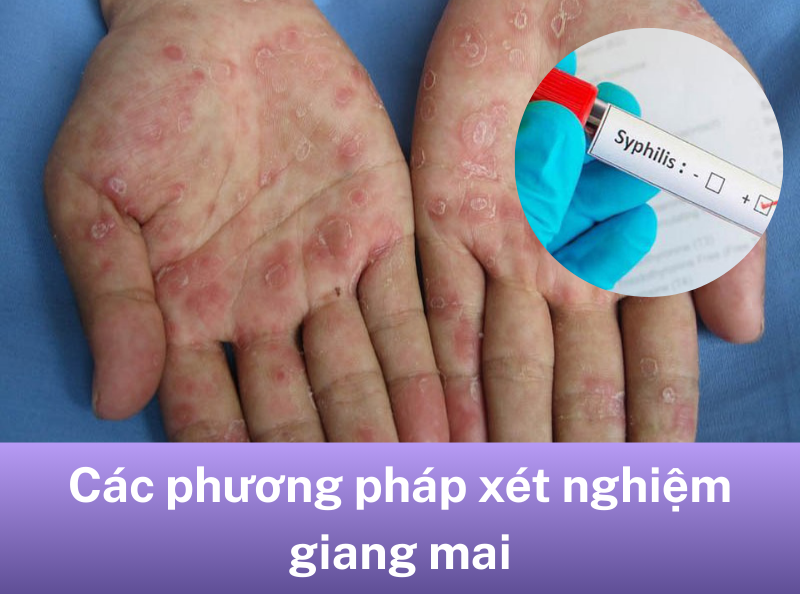
Syphilis is one of the common sexually transmitted infections (STIs) that can progress silently but leave serious consequences if not detected and treated promptly. Regular syphilis testing helps with early diagnosis, protecting your health and that of your partner. This article will help you understand the current syphilis testing methods, the pros and cons of each type, and important notes when undergoing the test.
1. What is Syphilis?

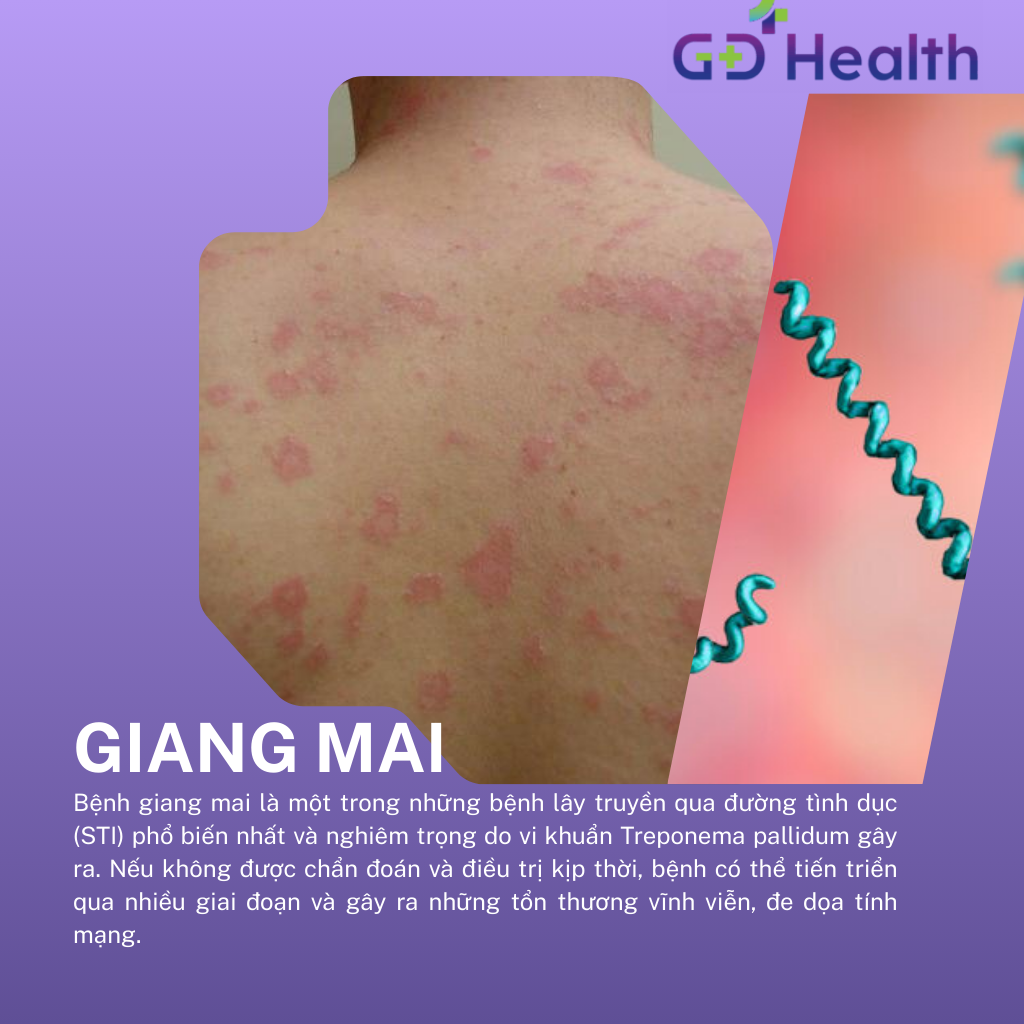
Syphilis is an infection caused by the spirochete bacterium Treponema pallidum, primarily transmitted through unsafe sexual contact (vaginal, anal, oral). In addition, the disease can also spread from mother to child during pregnancy or through contact with infected blood. The disease progresses through various stages. Due to its silent progression, many people do not know they have the disease until severe complications occur.
2. Why should you get tested for Syphilis?
Syphilis testing helps:
- Detect the disease early, even without external symptoms.
- Prevent transmission to your partner and fetus.
- Monitor the effectiveness of treatment and prevent recurrence.
- Detect co-infection with other sexually transmitted diseases such as HIV, Hepatitis B, C, Chlamydia, Gonorrhea, etc.
Who should get tested for Syphilis?
- People with multiple sexual partners or who have unprotected sex (do not use condoms).
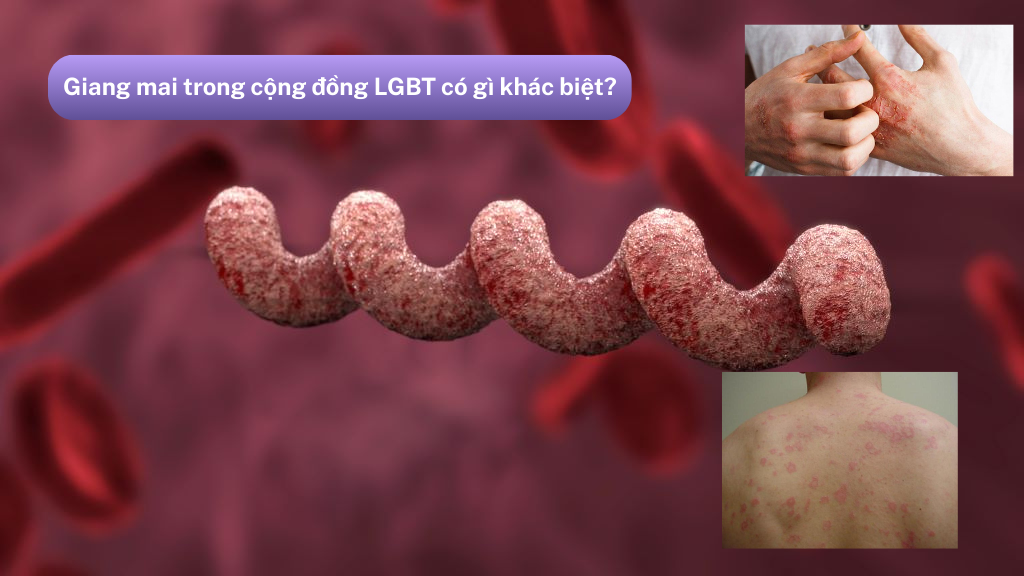
- People belonging to the LGBTQ+ community, especially men who have sex with men (MSM).
- Pregnant women.
- People who have had contact with someone who has syphilis.
- People with suspicious symptoms such as genital sores, rash, abnormal hair loss, swollen lymph nodes, etc.
Currently, syphilis testing includes two main groups:
2.1. Indirect Tests (Syphilis Serology)
This is the most common method, using a blood sample to detect antibodies that the body produces to fight the syphilis spirochete. There are 2 types of serological tests for syphilis diagnosis: non-treponemal and treponemal. The primary specimen is serum. Some non-treponemal tests can use plasma. Additionally, cerebrospinal fluid specimens are used to diagnose congenital syphilis, Stage III syphilis, and when neurological symptoms are present.
2.1.1. Non-treponemal Tests: RPR, VDRL
- Principle: Detects non-specific IgM or IgG antibodies against lipids.
- Pros:
- Easy to perform, low cost.
- Used in combination with treponemal tests to diagnose syphilis.
- Can be quantitative – used to monitor treatment effectiveness (reduction in antibody titer after treatment).
- Cons:
- May yield false-negative results within the first 4 weeks after the appearance of the primary lesion (syphilitic chancre) and in late syphilis.
- May yield false-positive results due to viral fever diseases, autoimmune diseases, etc.
- Not specific to Treponema pallidum – requires an additional treponemal test for confirmation.
2.1.2. Treponemal Tests: TPHA, TPPA, FTA-ABS, EIA
- Principle: Detects specific antibodies that only appear upon infection with Treponema pallidum.
- Pros:
- High accuracy, fewer false-positive results (high specificity).
- Indicated after a positive non-treponemal test result for diagnostic confirmation or vice versa.
- Cons:
- Remains positive for life, even after being cured (85%) → cannot distinguish between an active disease period and a successfully treated case, and is not used for post-treatment monitoring.
- Higher cost, not used alone for post-treatment monitoring.
- Cannot differentiate the antigen in syphilis from diseases caused by other spirochetes (e.g., yaws).
In practice, a combination of both test groups is often used: a screening test (usually RPR or EIA) and a confirmatory test (TPPA, TPHA, etc.).
2.2. Direct Tests (Finding the Bacteria)
Used in the stage where lesions are present (such as a syphilitic chancre) to confirm the direct presence of the spirochete.
2.2.1. Darkfield Microscopy
- Principle: Direct observation of spirochetes from the clinical specimen (secretion suspected on the skin, mucous membrane, lymph node, etc.). Direct examination will show the syphilis spirochete as a mobile, spring-like shape.
- Pros:
- The most specific method for diagnosing syphilis in the early stage.
- High specificity but low sensitivity (<50%), so not finding the syphilis spirochete does not rule out syphilis.
- Can provide quick results.
- Cons:
- Only applicable when suspicious lesions are present.
- Must be performed immediately after the specimen is collected.
- The test requires specialized equipment and trained, experienced technicians, thus usually only performed in specialized laboratories.
2.2.2. Direct Fluorescent Antibody Test (DFA)
- Principle: Uses a fluorescent microscope to detect spirochetes stained with fluorescently tagged T. pallidum anti-globulin antibodies.
- Pros:
- Easier to detect, not confused with other microorganisms because the spirochetes are stained with fluorescently tagged antibodies.
- The DFA test has higher sensitivity and specificity than darkfield microscopy.
- Cons:
- The test requires specialized equipment and fluorescent reagents, thus its applicability is not high.
2.2.3. Nucleic Acid Amplification Tests (NAATs)
- Principle: Direct test to detect T. pallidum DNA using a nucleic acid amplification reaction (also called gene amplification testing, including PCR testing).
- Pros:
- Very high accuracy (high sensitivity and specificity).
- Superior to direct microscopy as it detects even a very small amount of bacterial DNA.
- Yields positive results earlier than serological tests (early stage), as it detects the infection before the body produces antibodies.
- Can be performed on many different types of specimens such as secretion from ulcerated skin lesions, mucous membranes, blood, or cerebrospinal fluid (neurosyphilis).
- Not affected by diseases causing false serological positives, such as viral or autoimmune diseases.
- Cons:
- High cost, not available in many medical facilities.
- Requires specialized equipment and skilled technicians.
2.3. Syphilis Rapid Diagnostic Tests (RDTs)
Syphilis rapid diagnostic tests (RDTs) have been developing strongly over the past few decades. There are quick test kits for syphilis alone and quick test kits for both syphilis and HIV simultaneously. Currently, syphilis RDTs are widely used for screening in the community, especially for high-risk groups (sex workers, men who have sex with men MSM, LGBTQ+, etc.) and in HIV/AIDS prevention programs.
- Principle: Detects specific antibodies against the syphilis spirochete present in the patient’s blood.
- Pros:
- Quick, only takes 10–15 minutes.
- Simple, only requires a drop of blood from the fingertip.
- Does not require specialized storage equipment or complex testing tools.
- Suitable for screening and wide-area surveillance.
- Can be performed on-site, over a wide area, and at different levels of healthcare as well as in the community.
- Can be self-administered with full procedural instructions.
- Cons:
- Does not distinguish between a new infection and an infection in the past.
- Remains positive even in cases that have been cured but still have antibodies.
- Is only qualitative, thus not used for treatment monitoring.
- If tested too early, may be false-negative due to insufficient antibody production.
3. So which test should we choose?
The choice of an appropriate syphilis testing method depends on:
- Disease Stage: Early or late stage, with or without lesions? Symptomatic or asymptomatic?
- Purpose of Testing: Screening, surveillance in asymptomatic individuals. Initial diagnosis in symptomatic individuals (with lesions), or for treatment monitoring.
- Medical Conditions: Competent, specialized medical facility, or large hospitals. Rural or grassroots level.
- Medical Cost and Availability: Especially rapid tests can provide quick results, are readily available, can be self-administered at home with low cost and are easy to perform with full instructions.
Some notes when getting tested for syphilis:
- Do not self-diagnose based on skin manifestations, as syphilis can resemble many other conditions.
- After exposure to a risk factor (unprotected sex), you should wait at least 3–4 weeks for accurate testing, as the body needs time to produce antibodies.
- Repeat testing may be needed after 1–3 months if the risk is high or symptoms are unclear.
- Always combine medical consultation and co-testing for other STIs if risk factors are present.
- People with a partner who tests positive for syphilis should be tested and treated simultaneously, even without symptoms.
- Always discuss and share with healthcare personnel to have all questions and concerns answered and to be guided on full testing and treatment.
4. Conclusion
Syphilis is a disease that can be completely cured if detected early. However, if missed or treated late, the disease can leave severe complications, affecting reproductive health, the nervous system, the cardiovascular system, and the quality of life. Correct understanding of syphilis testing methods, choosing a reputable medical facility, and proactively undergoing regular screening are ways to protect your safety and that of your loved ones.
This article is written by BS. CKI. Võ Nguyễn Duy Hoà, a specialist in General Surgery, Urology, and Andrology. The doctor has many years of experience in the field of reproductive and sexual health.
Reference
- WHO, Guidelines for the Treatment of Treponema pallidum (syphilis), https://www.who.int/publications/i/item/who-guidelines-for-the-treatment-of-treponema-pallidum-(syphilis)
- HƯỚNG DẪN CHẨN ĐOÁN VÀ ĐIỀU TRỊ BỆNH GIANG MAI (Ban hành kèm theo Quyết định số: 5186/QĐ-BYT ngày 09 tháng 11 năm 2021 của Bộ trưởng Bộ Y tế)
Related news
Hepatitis C: Do Not Ignore It!
Hepatitis C is a liver inflammation caused by the Hepatitis C virus (HCV). You can contract the virus through contact with infected blood. Most people with HCV have no symptoms. Crucial Fact: There is currently no vaccine for Hepatitis C. The best prevention is avoiding high-risk behaviors. However, testing and treatment can prevent complications and […]
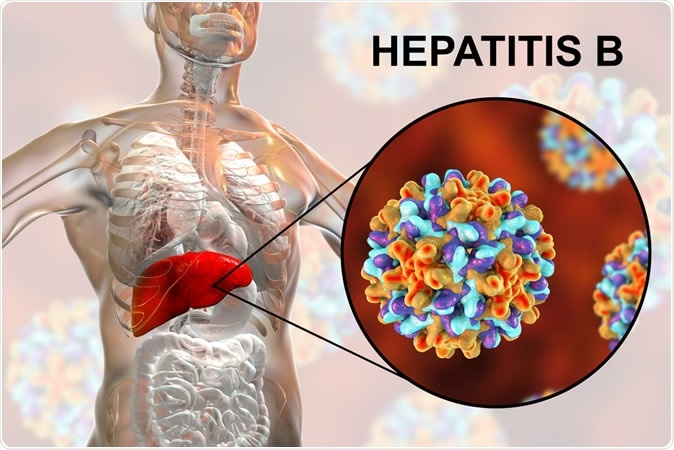
Hepatitis B: A Comprehensive Guide
Hepatitis B is a liver disease caused by the Hepatitis B Virus (HBV). Infection can be short-term (acute) or long-term (chronic). One in two people with Hepatitis B do not know they are infected. HBV is highly contagious and spreads through contact with infected blood and body fluids. Vaccination is the best way to prevent […]
The Invisible Enemy: Chlamydia in Women and the Silent Threat of Infertility
Most of us tend to think that if there are no unusual symptoms, the body is perfectly healthy. However, the truth is that there is an invisible ‘enemy’ silently hiding in your body, capable of causing serious consequences, even infertility. That is Chlamydia, one of the most common sexually transmitted diseases (STDs) in women. Chlamydia […]
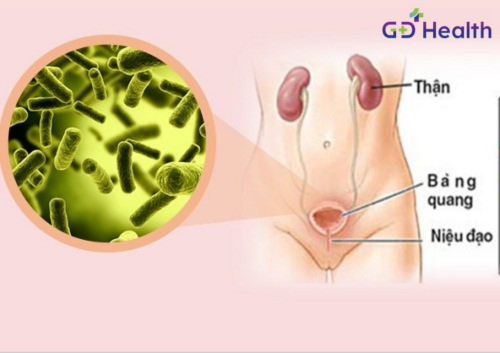
Urinary Tract Infection-UTI
Urinary Tract Infection (UTI), also known as urinary tract infection or urinary infection, is one of the most common infections globally, affecting millions each year worldwide, with a significant financial burden on society. The disease occurs when bacteria invade any part of the urinary system, including the kidneys, ureters, bladder, and urethra. Although usually treatable, […]
Syphilis Testing: Current Methods, Pros & Cons, and What You Need to Know
Syphilis is one of the common sexually transmitted infections (STIs) that can progress silently but leave serious consequences if not detected and treated promptly. Regular syphilis testing helps with early diagnosis, protecting your health and that of your partner. This article will help you understand the current syphilis testing methods, the pros and cons of […]

Persistent Sore Throat That Won’t Go Away? Do Not Ignore It – You Might Have Chlamydia!
Have you ever had a sore throat that dragged on for weeks, visiting multiple doctors without finding the cause? Even antibiotics didn’t help? It is very likely that the culprit is not the flu, a virus, or common bacteria – but a sexually transmitted infection called Chlamydia. Chlamydia doesn’t just “hide” in the genital area. […]
Syphilis Overview
Syphilis is one of the most common and serious Sexually Transmitted Infections (STIs), caused by the bacterium Treponema pallidum. If not diagnosed and treated promptly, the disease can progress through multiple stages, causing permanent damage and threatening life. 1. What is Syphilis?? Syphilis is an infection caused by the spirochete bacterium Treponema pallidum. The disease can […]

Chlamydia: A Comprehensive Overview
Chlamydia is one of the most common Sexually Transmitted Infections (STIs) worldwide, caused by the bacterium Chlamydia trachomatis. It is preventable and curable, spreading mainly through unprotected vaginal, oral, and anal sex. 1. What is Chlamydia? Chlamydia is a common sexually transmitted infection (STI) that can occur in both men and women, caused by the […]
Syphilis in the LGBT Community: Are Signs, Symptoms, and Treatment Different?
1. Syphilis and the LGBT Community? Syphilis is a sexually transmitted infection (STI) caused by the bacterium Treponema pallidum. Although it affects all population groups, the rate of syphilis infection is higher in the LGBT community, especially among men who have sex with men (MSM), due to certain sexual behavioral characteristics and barriers to healthcare access. […]
Can Genital Warts Be Treated at Home?
1. What are Genital Warts? Genital warts, also called venereal warts or anogenital warts, are a common sexually transmitted infection (STIs) caused by the Human Papillomavirus (HPV). Although most HPV infections are clinically asymptomatic, HPV types 6 and 11 are responsible for about 90% of visible genital wart cases. It is important to note that other HPV types, […]