




Submit your info or message us on Zalo or Messenger
Syphilis Overview
Health bulletin
09/09/2025
Syphilis is one of the most common and serious Sexually Transmitted Infections (STIs), caused by the bacterium Treponema pallidum. If not diagnosed and treated promptly, the disease can progress through multiple stages, causing permanent damage and threatening life.
1. What is Syphilis??
Syphilis is an infection caused by the spirochete bacterium Treponema pallidum. The disease can be transmitted through sexual contact (vaginal, anal, oral) or from mother to child during pregnancy. Syphilis is known for its different stages of progression, each with characteristic symptoms, and it can be asymptomatic for a long period (latent stage). Syphilis remains a global public health concern, with a significant increase in the number of cases in recent years in many regions.
- According to the World Health Organization (WHO):
- An estimated 8 million new syphilis infections were reported globally in adults aged 15–49 years in 2022. [1]
- According to the U.S. Centers for Disease Control and Prevention (CDC)[2]:
- According to reports in the United States, the number of syphilis cases (all stages and congenital syphilis) in 2023 increased to nearly 300,000, the highest number recorded since 1950.
- In 2023, nearly 4,000 cases of congenital syphilis were reported, including 279 stillbirths and infant/neonatal deaths related to congenital syphilis. This is the largest number of congenital syphilis cases in more than a decade since 1992.
- The highest rate of syphilis infection is in men who have sex with men (MSM), accounting for one-third (32.7%) of all syphilis cases in 2023.
- In Vietnam:
- According to annual statistics from the National Hospital of Dermatology and Venereology, syphilis accounts for about 2–5% of the total number of sexually transmitted infections (STIs) [3].
- The number of syphilis cases in specialized dermatology hospitals has tended to increase sharply in recent years. At Ho Chi Minh City Hospital of Dermatology and Venereology, nearly 7,000 cases sought examination and treatment in the first 9 months of 2022. [4]
- Also at Ho Chi Minh City Hospital of Dermatology and Venereology, statistics show that the rate of syphilis in males accounts for up to 84.6%, of which an estimated over 30% are among the MSM population. [4]
2. Transmission Routes
Syphilis spreads mainly through direct contact with a syphilis sore (chancre), mucous membrane patches, or rashes.
- Sexual Contact: The spirochete enters through micro-abrasions or mucous membranes during vaginal, anal, or oral sex.
- Mother to Child (Congenital Syphilis): A pregnant woman can pass the bacteria to the fetus via the placenta, causing severe infection.
- Blood: Transmission via blood transfusion or sharing needles.
- Direct Contact: Touching open sores containing the bacteria.
Myth Buster: You cannot get syphilis from casual contact such as hugging, kissing on the cheek, sharing toilets, bathtubs, clothing, or eating utensils. [5]

3. Signs and Symptoms [5,8,9]
Many people have syphilis without noticing any symptoms. The disease has four stages
/https://cms-prod.s3-sgn09.fptcloud.com/trieu_chung_benh_giang_mai_o_nam_gioi_qua_tung_giai_doan_1_2eb8239b2a.jpg)
3.1. Primary Syphilis (Stage I):
-
- One or more syphilitic chancres are usually present: these are small, shallow, round or oval, painless, firm erosive ulcers, typically appearing at the site where the spirochete entered (penis, vagina, anus, rectum, lips, or in the mouth).
- The chancre usually appears about 3 weeks after infection (ranging from 9 to 90 days) and may resolve within 3-10 weeks, whether treated or not. The patient may not notice the chancre appearing or may not notice it disappearing.
- Lymph Nodes: 5-6 days after the chancre appears, the inguinal lymph nodes may swell significantly or form a cluster.
If not diagnosed and treated during this period, 4-8 weeks after the initial lesion appears, the disease will progress to Secondary Syphilis.
3.2. Secondary Syphilis or Stage II Syphilis:
- Time of Appearance: Usually begins a few weeks to several months after the Stage I syphilitic chancre is healing or has healed.
- Symptoms:
- Rash: Often appears symmetrically on the palms and soles, but can also be anywhere on the body. The rash is typically non-itchy, may look rough, and can be red or reddish-brown.
- Mucous Membrane Lesions: White or grey patches, raised or flat, with a rough or smooth, moist surface, often called Condyloma Lata, may appear on the anus, vulva, groin, inner thighs, armpits, under the breasts, and sometimes in the mouth or other skin folds. These lesions are usually painless but can be itchy or uncomfortable and contain a high concentration of Treponema pallidum (syphilis spirochetes), making them highly infectious.
- Other Symptoms: Non-specific, may resemble the flu, such as low-grade fever, fatigue, sore throat, muscle aches, joint pain, headache, and swollen lymph nodes. Patchy hair loss (alopecia) may also occur.
- Secondary Syphilis symptoms can also disappear on their own without treatment, but the disease will continue to progress to the latent stage. Patients in Stage II have a high risk of transmitting the disease to others.
3.3. Latent Syphilis (Giang mai tiềm ẩn):
- Time: This stage begins when the symptoms of primary and secondary syphilis disappear, and during this time, the disease usually has no obvious signs or symptoms.
- Divided into 2 stages:
- Early Latent Syphilis: Infection occurred within the past two years.
- Late Latent Syphilis: Infection occurred more than two years ago, or in patients who are unsure of the time of infection.
- Since this stage often has no clear signs or symptoms, the diagnosis is based on positive serological tests.
- Despite the absence of symptoms, the spirochetes remain in the body and can cause internal organ damage or be transmitted.
3.4. Tertiary Syphilis (Giang mai giai đoạn III):
- Time of Appearance: Can appear 10–30 years after the initial infection if left untreated.
- Symptoms: Most people with untreated syphilis will not develop Tertiary Syphilis. Only about 25% progress to Stage III, causing severe damage to any organ in the body, including:
- Neurosyphilis (Giang mai thần kinh): Affects the brain, spinal cord, and nerves.
- May cause severe headache, muscle weakness, or difficulty with muscle movement. Changes in mental status (difficulty concentrating, confusion, or personality changes), dementia (problems with memory, thinking, and/or making decisions).
- Ocular Syphilis (Giang mai mắt): Eye pain and/or redness, changes in vision, or even blindness.
- Otosyphilis (Giang mai tai): Hearing loss, hearing ringing, buzzing, roaring, or hissing sounds in the ears (tinnitus). Dizziness or loss of balance (feeling as though you or your surroundings are moving or spinning).
- Cardiovascular Syphilis (Giang mai tim mạch): Affects the heart and major blood vessels (such as the aorta), causing aortic aneurysm, aortitis, aortic valve insufficiency, and coronary artery stenosis, leading to heart failure. Some cases may cause myocarditis.
- Gummas (Gôm giang mai): The characteristic lesions of Tertiary Syphilis. Gummas are firm lesions in the hypodermis that progress through 4 stages: initially, they are subcutaneous nodules, which gradually enlarge, soften, rupture to discharge a sticky, rubber-like fluid, forming an ulcer; the ulcer gradually heals and turns into a scar. Gummas can be numerous or few and can be localized anywhere. Common sites include the face, scalp, buttocks, thighs, outer upper leg… On mucous membranes, common sites are the mouth, lips, palate, tongue, nose, pharynx…, and gummas may also occur in the bones or brain.
3.5. Congenital Syphilis
- Occurs when the spirochete is transmitted from the mother to the child during pregnancy.
- Symptoms in Newborns: May be asymptomatic at birth but develop later. Early symptoms include rash, runny nose, enlarged liver and spleen, jaundice, and anemia. Late symptoms (if untreated) may include bone and tooth deformities, deafness, blindness, and intellectual disability.
- Congenital syphilis can lead to miscarriage, stillbirth, or neonatal death.
4. Risk Factors [5, 9] Factors that increase the risk of contracting syphilis include:
- Unsafe Sexual Practices: Not using a condom or using one incorrectly.
- Having Multiple or New Sexual Partners: Increases the potential for exposure to an infected person.
- History of Other Sexually Transmitted Infections (STIs): Sores caused by other STIs (like herpes) can provide an entry point for the spirochete.
- Men Who Have Sex with Men (MSM): This group has a higher rate of syphilis infection.
- Illicit Drug Use: Especially injected drugs, which can be linked to unsafe sexual behavior.
- Pregnant Women Not Screened and Treated: Increases the risk of congenital syphilis transmission.
5. Complications [5, 8, 9] If not diagnosed and treated promptly, syphilis can cause serious and permanent complications, affecting many organ systems in the body:
- Nervous System Damage (Neurosyphilis): Can lead to paralysis, blindness, deafness, dementia, loss of sensation, and loss of balance.
- Cardiovascular Damage (Cardiovascular Syphilis): Causes aortic aneurysm, heart failure, and heart valve problems.
- Bone and Joint Damage: Causes pain, swelling, and deformity.
- Skin and Visceral Organ Damage: Gummas can appear on the skin and internal organs, causing tissue destruction.
- Increased Risk of HIV Infection: Syphilis sores (chancres) increase the risk of contracting or transmitting HIV.
- Pregnancy and Newborn Complications: For pregnant women, syphilis can cause miscarriage, stillbirth, premature birth, neonatal death, or congenital syphilis in the child with severe, long-term effects.
6. Diagnosis [6, 7, 8]
Syphilis diagnosis is often based on a combination of medical history, clinical examination, and laboratory tests.
- Serological Tests (Blood): This is the most common diagnostic method. There are two main types of tests:
- Nontreponemal Tests (Xét nghiệm không đặc hiệu): Detect non-specific antibodies, commonly used for screening and monitoring treatment effectiveness. These include RPR (Rapid Plasma Reagin) and VDRL (Venereal Disease Research Laboratory). A positive result needs to be confirmed by a treponemal-specific test.
- Treponemal Tests: Detect specific antibodies against the Treponema pallidum spirochete, used to confirm a syphilis diagnosis. These include TP-PA (Treponema Pallidum Particle Agglutination), FTA-ABS (Fluorescent Treponemal Antibody Absorption), and EIA (Enzyme Immunoassay).
- Darkfield Microscopy: Used to directly find the Treponema pallidum spirochete from secretions of a syphilitic chancre or other lesions. This method is rapid but requires active lesions and specialized equipment.
- Nucleic Acid Amplification Tests (NAATs – nucleic acid amplification tests):
- Directly test for T. pallidum DNA using a nucleic acid amplification reaction (also known as gene amplification testing, including PCR testing). Specimen: secretion from a skin lesion, tissue, or body fluid. The cost is higher than other syphilis diagnostic tests; it requires specialized testing equipment and trained laboratory personnel to perform PCR.
- Cerebrospinal Fluid Test: Performed to diagnose neurosyphilis.
7. Treatment [7, 8, 9]
Syphilis can be completely cured with antibiotics, especially penicillin. The treatment regimen depends on the stage of the disease.
- Penicillin G Benzathine: This is the drug of choice for all stages of syphilis.
- Primary, Secondary, and Early Latent Syphilis: A single intramuscular dose of 2.4 million units of Penicillin G Benzathine.
- Late Latent Syphilis or Unknown Duration: Three intramuscular doses of 2.4 million units of Penicillin G Benzathine, administered one week apart (a total of 7.2 million units).
- Neurosyphilis, Cardiovascular Syphilis, or Ocular/Otic Syphilis: Requires a higher-dose and longer course of intravenous Penicillin G (usually 10–14 days).
- For Patients Allergic to Penicillin: Doxycycline or tetracycline may be used. However, these drugs are not recommended for pregnant women. For neurosyphilis in patients allergic to penicillin, desensitization to penicillin is required, followed by penicillin treatment.
- Jarisch-Herxheimer Reaction: Some patients may experience this reaction after the first dose of antibiotics, with symptoms such as fever, chills, headache, muscle aches, and rash. This is a temporary reaction and usually resolves on its own.
- Partner Treatment: All sexual partners within 3 months to 1 year (depending on the diagnosed patient’s disease stage) also need to be tested and treated.
8. Post-Treatment Follow-up [7, 8, 9]
Post-treatment follow-up is very important to ensure the disease has been completely cured and to detect early cases of reinfection or treatment failure.
- Periodic Serological Testing:
- Patients need to be retested with a nontreponemal test (RPR or VDRL) at 6, 12, and 24 months after treatment (for Primary, Secondary, and Early Latent Syphilis).
- For Late Latent Syphilis, retesting is needed at 6, 12, 24 months, and may be extended.
- For Neurosyphilis, cerebrospinal fluid should be retested after 6 months.
- The goal is to see a decrease in the non-specific antibody titer (a four-fold reduction or greater) after treatment. If the antibody titer does not decrease or increases, it may be a sign of treatment failure, and re-treatment is needed.
- Counseling and Education:
- Patients need to be counseled on the importance of informing and treating their sexual partners.
- Education on STI prevention measures, including correct and consistent condom use.
- Encouragement to be tested for other STIs if at risk.
- Abstinence from Sexual Activity: Patients should avoid all sexual activity until they have completed treatment and are confirmed safe by a doctor.
9. Prevention
Syphilis prevention is key to controlling the spread of the disease and protecting individual health. Effective prevention measures include:
- Practicing Safe Sex:
- Correct and Consistent Condom Use: This is the most effective measure to prevent the transmission of syphilis and other STIs during vaginal, anal, or oral sex.
- Limiting the Number of Sexual Partners and Avoiding Sex with New Partners of Unknown History: Reducing the number of partners lowers the risk of exposure to an infected person.
- Avoiding Sexual Activity when Syphilis Sores or Rashes are Suspected.
- Timely Screening and Treatment:
- Regular STI Testing: If you have multiple partners or are at high risk, get tested for STIs regularly, including syphilis.
- Syphilis Screening for Pregnant Women: This is an extremely important measure to prevent congenital syphilis. Pregnant women should be tested for syphilis at their first prenatal visit and may be retested later in the pregnancy if they are at high risk.
- Immediate Treatment: If you or your partner are diagnosed with syphilis, seek immediate treatment and adhere to the doctor’s regimen.
- Education and Awareness:
- Open Discussion with Partners: Discuss STI history and testing before sexual activity.
- Raising Awareness of Sexual Health: Understanding STIs and how to prevent them is crucial.
- Avoiding Shared Needles: For people who inject drugs, do not share needles.
This article is written by BS. CKI. Võ Nguyễn Duy Hoà, to provide fundamental knowledge about Hepatitis B, its transmission methods, recognizable signs, the importance of early diagnostic testing and treatment, as well as effective prevention. It helps you understand correctly to proactively protect your health and the community.
Reference
- [1]. Sexually transmitted infections (STIs)
https://www.who.int/news-room/fact-sheets/detail/sexually-transmitted-infections-(stis) - [2]. National Overview of STIs in 2023
https://www.cdc.gov/sti-statistics/annual/summary.html - [3]. Chẩn đoán và điều trị bệnh giang mai (Syphilis) https://benhviendalieuhanoi.com/benh-giang-mai-syphilis/
- [4]. BỆNH GIANG MAI TĂNG: DỄ DÃI TRONG QUAN HỆ TÌNH DỤC, NGUY CƠ MẮC BỆNH CAO
https://bvdl.org.vn/cong-dong/d-9119.5.2105/hoat-dong/benh-lay-truyen-qua-duong-tinh-duc/benh-giang-mai-tang-de-dai-trong-quan-he-tinh-duc-nguy-co-mac-benh-cao.html - [5]. About Syphilis
https://www.cdc.gov/syphilis/about/index.html - [6]. Sexually Transmitted Infections Treatment Guidelines, 2021
https://www.cdc.gov/std/treatment-guidelines/STI-Guidelines-2021.pdf - [7]. WHO GUIDELINES FOR THE Treatment of Treponema pallidum (syphilis)
https://iris.who.int/bitstream/handle/10665/249572/9789241549806-eng.pdf - [8]. Quyết định 5186/QĐ-BYT 2021 chẩn đoán và điều trị bệnh Giang mai
https://thuvienphapluat.vn/van-ban/The-thao-Y-te/Quyet-dinh-5186-QD-BYT-2021-chan-doan-va-dieu-tri-benh-Giang-mai-493851.aspx - [9]. Syphilis. https://www.who.int/news-room/fact-sheets/detail/syphilis
Related news
Hepatitis C: Do Not Ignore It!
Hepatitis C is a liver inflammation caused by the Hepatitis C virus (HCV). You can contract the virus through contact with infected blood. Most people with HCV have no symptoms. Crucial Fact: There is currently no vaccine for Hepatitis C. The best prevention is avoiding high-risk behaviors. However, testing and treatment can prevent complications and […]
Hepatitis B: A Comprehensive Guide
Hepatitis B is a liver disease caused by the Hepatitis B Virus (HBV). Infection can be short-term (acute) or long-term (chronic). One in two people with Hepatitis B do not know they are infected. HBV is highly contagious and spreads through contact with infected blood and body fluids. Vaccination is the best way to prevent […]
The Invisible Enemy: Chlamydia in Women and the Silent Threat of Infertility
Most of us tend to think that if there are no unusual symptoms, the body is perfectly healthy. However, the truth is that there is an invisible ‘enemy’ silently hiding in your body, capable of causing serious consequences, even infertility. That is Chlamydia, one of the most common sexually transmitted diseases (STDs) in women. Chlamydia […]
Urinary Tract Infection-UTI
Urinary Tract Infection (UTI), also known as urinary tract infection or urinary infection, is one of the most common infections globally, affecting millions each year worldwide, with a significant financial burden on society. The disease occurs when bacteria invade any part of the urinary system, including the kidneys, ureters, bladder, and urethra. Although usually treatable, […]
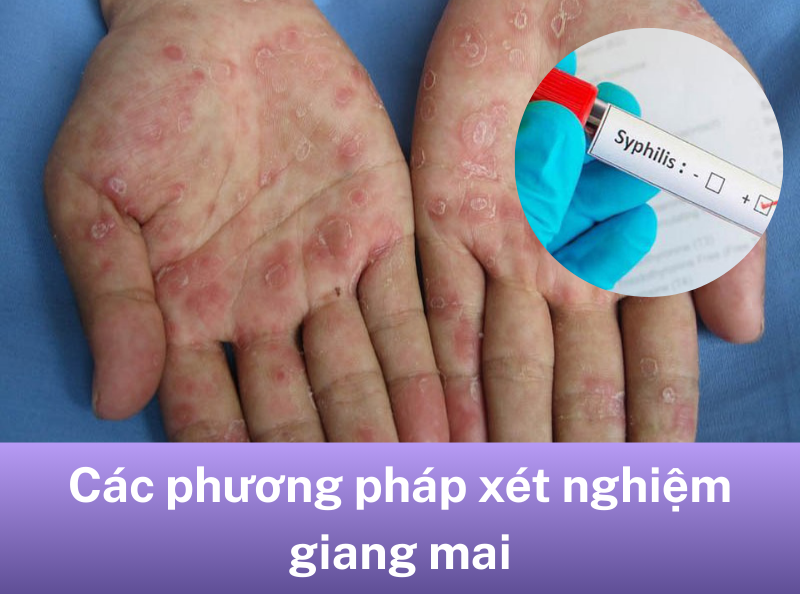
Syphilis Testing: Current Methods, Pros & Cons, and What You Need to Know
Syphilis is one of the common sexually transmitted infections (STIs) that can progress silently but leave serious consequences if not detected and treated promptly. Regular syphilis testing helps with early diagnosis, protecting your health and that of your partner. This article will help you understand the current syphilis testing methods, the pros and cons of […]

Persistent Sore Throat That Won’t Go Away? Do Not Ignore It – You Might Have Chlamydia!
Have you ever had a sore throat that dragged on for weeks, visiting multiple doctors without finding the cause? Even antibiotics didn’t help? It is very likely that the culprit is not the flu, a virus, or common bacteria – but a sexually transmitted infection called Chlamydia. Chlamydia doesn’t just “hide” in the genital area. […]
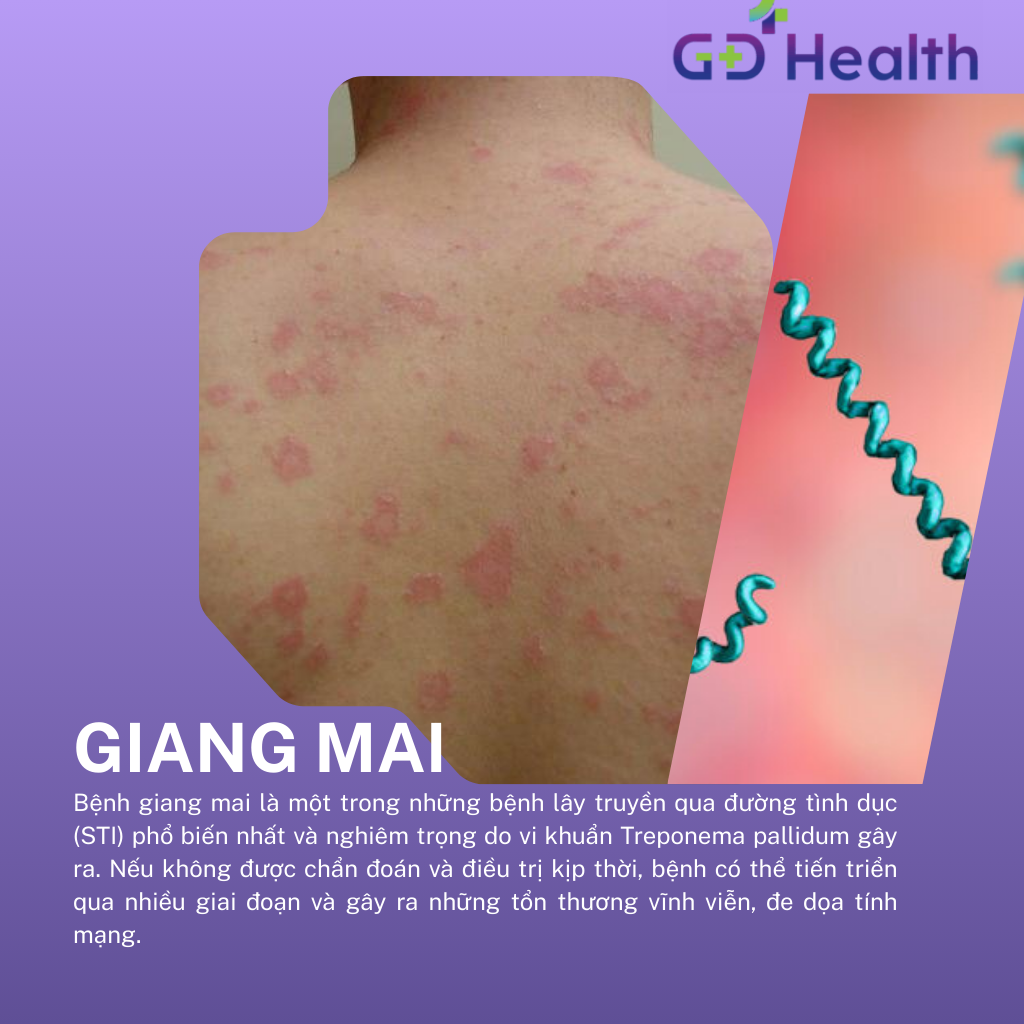
Syphilis Overview
Syphilis is one of the most common and serious Sexually Transmitted Infections (STIs), caused by the bacterium Treponema pallidum. If not diagnosed and treated promptly, the disease can progress through multiple stages, causing permanent damage and threatening life. 1. What is Syphilis?? Syphilis is an infection caused by the spirochete bacterium Treponema pallidum. The disease can […]

Chlamydia: A Comprehensive Overview
Chlamydia is one of the most common Sexually Transmitted Infections (STIs) worldwide, caused by the bacterium Chlamydia trachomatis. It is preventable and curable, spreading mainly through unprotected vaginal, oral, and anal sex. 1. What is Chlamydia? Chlamydia is a common sexually transmitted infection (STI) that can occur in both men and women, caused by the […]
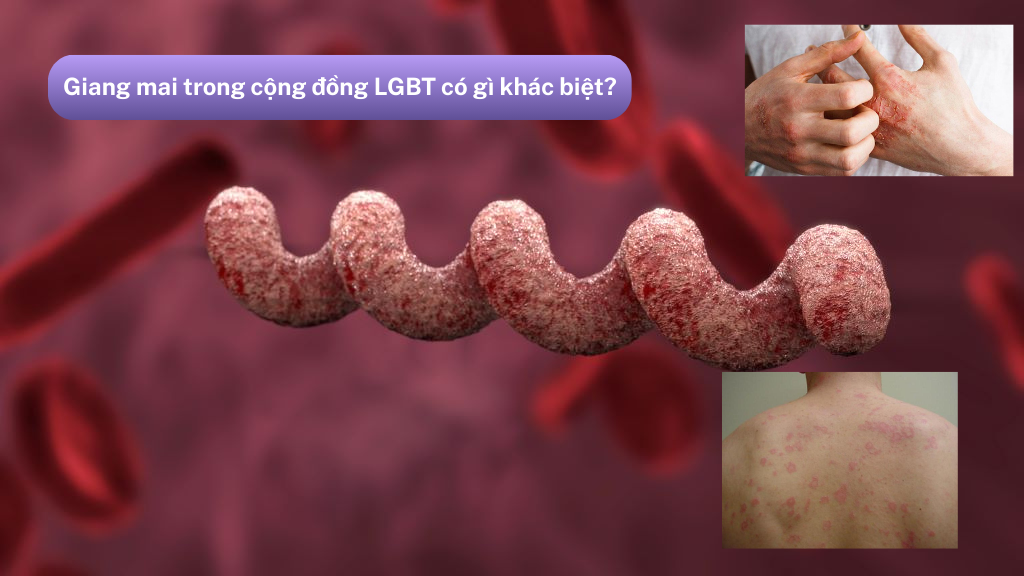
Syphilis in the LGBT Community: Are Signs, Symptoms, and Treatment Different?
1. Syphilis and the LGBT Community? Syphilis is a sexually transmitted infection (STI) caused by the bacterium Treponema pallidum. Although it affects all population groups, the rate of syphilis infection is higher in the LGBT community, especially among men who have sex with men (MSM), due to certain sexual behavioral characteristics and barriers to healthcare access. […]
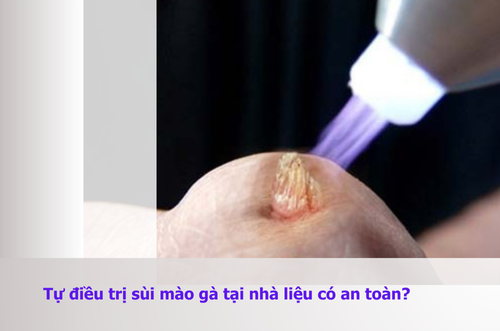
Can Genital Warts Be Treated at Home?
1. What are Genital Warts? Genital warts, also called venereal warts or anogenital warts, are a common sexually transmitted infection (STIs) caused by the Human Papillomavirus (HPV). Although most HPV infections are clinically asymptomatic, HPV types 6 and 11 are responsible for about 90% of visible genital wart cases. It is important to note that other HPV types, […]