




Submit your info or message us on Zalo or Messenger
DoxyPEP: The Dual Shield Protecting Sexual Health for High-Risk Groups
Health bulletin
04/08/2025
1. The Current Importance of Doxy PEP in STI Prevention
The situation with sexually transmitted infections (STIs) and HIV continues to be a significant global burden. Although HIV prevention strategies like PrEP (pre-exposure prophylaxis) and PEP (post-exposure prophylaxis) have contributed to reducing new HIV infection rates in many places, a large segment of the community still faces a double risk: not only HIV but also other bacterial STIs like Chlamydia, Syphilis, and Gonorrhea. Specifically, the group of men who have sex with men (MSM) and transgender women (TGW) are subjects with a particularly high risk, frequently confronting these challenges.
Recent data shows an alarming increase in the number of STI cases. In the United States, the Centers for Disease Control and Prevention (CDC) reported over 2.5 million cases of Chlamydia, Gonorrhea, and Syphilis in 2022 alone. Notably, the incidence of Syphilis increased by 79% and congenital Syphilis by up to 183% from 2018 to 2022. This increase is not limited to the U.S.; the incidence of Chlamydia slightly increased by 0.3%, Gonorrhea decreased by 8.7%, and Syphilis increased by 17% just between 2021 and 2022. Particularly, congenital Syphilis, a condition entirely preventable with adequate prenatal care, increased by 30.6% with 3,755 cases reported in 2022.
These figures point to a significant gap in existing public health prevention strategies. Although measures like condom use or HIV PrEP/PEP are important, they appear insufficient to stop the accelerating trend of the STI epidemic. The need for a new, proactive, and clearly targeted preventative tool has become urgent. Doxy PEP emerges as a strategic response to this deteriorating public health crisis, marking a shift from reactive treatment to a more structured, proactive prevention. The demand for information about STIs is also very high, indicating community interest and concern about effective solutions. In this context, Doxy PEP has been recognized as the first new STI prevention tool in decades, with an official recommendation from the U.S. CDC in June 2024. This is an important medical intervention, offering hope for controlling the rising STI epidemic, supplementing existing prevention methods, and creating a more comprehensive protective shield for those at high risk.
2. What is Doxy PEP? A Simple Explanation of the Prophylactic Regimen
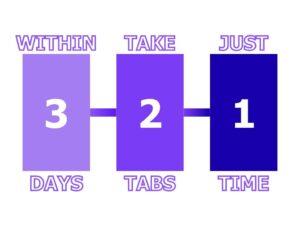
Doxy PEP, which stands for Doxycycline Post-Exposure Prophylaxis, is a new medical strategy aimed at reducing the risk of contracting bacterial sexually transmitted infections (STIs). Essentially, Doxy PEP involves self-administering a single 200 mg dose of doxycycline as soon as possible, ideally within 24 hours and no later than 72 hours after engaging in unprotected sexual activity (including oral, vaginal, or anal intercourse).
Doxycycline is a broad-spectrum antibiotic that works by inhibiting the growth of bacteria. When used as a post-exposure prophylactic measure, doxycycline helps prevent the multiplication of the bacteria that cause Chlamydia, Syphilis, and Gonorrhea after a person has potentially been exposed to them. This mechanism significantly reduces the likelihood of developing an infection.
The emphasis on the ability to “self-administer” and the “within 72 hours” timeframe for Doxy PEP represents a significant shift in the approach to prevention. This empowers individuals with immediate access to prevention, moving beyond traditional clinic-dependent interventions, which often require a visit and prescription before the 72-hour window closes. The ability for self-administration means that individuals do not need to immediately rush to a healthcare facility after exposure, which can be a significant barrier for many. The decision to design Doxy PEP in this manner reflects an understanding of real-world sexual behavior and access to care. The goal is to maximize adherence and effectiveness by making the intervention as convenient and timely as possible for the user. This also places more responsibility and proactive control in the hands of the individual, thus requiring clear, easy-to-understand educational materials to ensure correct usage and minimize misuse.
3. Who Should Use Doxy PEP? Criteria According to the Latest Recommendations from the U.S. Centers for Disease Control (CDC)
Doxy PEP is not a solution for everyone but is specifically recommended by the U.S. CDC for the highest-risk groups based on current scientific evidence. Clearly defining these criteria aims to optimize prophylactic efficacy while managing potential risks, especially the risk of antibiotic resistance.
According to the latest CDC recommendations, Doxy PEP is prioritized for the following target groups:
- Men who have sex with men (MSM) and Transgender women (TGW): Individuals in this group must be 18 years of age or older.
- History of Bacterial STI Infection: Must have been diagnosed with at least one bacterial STI (Chlamydia, Syphilis, or Gonorrhea) within the last 12 months.
- Recent Risk Behavior: Must have had unprotected sexual intercourse within the last 72 hours.
In addition, doctors may consider counseling some individuals who do not fully meet the above criteria but still engage in high-risk behavior, based on in-depth clinical evaluation and shared decision-making with the patient. This allows for flexibility in clinical practice to meet the specific needs of each person. Currently, the CDC does not yet have sufficient evidence to fully evaluate the benefits and harms of Doxy PEP use in other populations, including cisgender women. The CDC will continue to update guidance as more data from ongoing studies becomes available.
The CDC’s decision to issue very specific eligibility criteria (MSM, TGW, recent STI history) for Doxy PEP, despite the broad need for STI prevention in the community, reflects a cautious, evidence-based approach. This strategy is designed to minimize the risk of antibiotic resistance while maximizing impact in the most heavily affected populations. This is a strategic public health decision aimed at achieving the greatest benefit while controlling the potential for widespread drug resistance. This implies a balance between immediate, broad prevention and long-term antibiotic stewardship. Therefore, carefully explaining why these specific groups are targeted and why others are not yet included is vital for managing expectations and encouraging responsible use. To help readers easily determine whether they should consider Doxy PEP, the table below summarizes the key criteria:
Table 1: Individuals Who Should Consider Using Doxy PEP
| Criterion | Detailed Explanation |
|---|---|
| Group | Men who have sex with men (MSM) and Transgender women (TGW) |
| Age | 18 years of age or older |
| STI History | Has been infected with at least one bacterial STI (Chlamydia, Syphilis, or Gonorrhea) in the last 12 months. |
| Risk Behavior | Has had unprotected sexual intercourse within the last 72 hours. |
| Note | Special cases may be considered by a doctor. Currently, there is insufficient evidence for cisgender women and other groups. |
4. Instructions for Correct Doxy PEP Use: Dosage, Timing, and Important Notes.
For Doxy PEP to achieve maximum effectiveness and ensure safety, correct usage is extremely important. Users need to strictly follow the guidelines regarding dosage, timing, and how to minimize side effects.
4.1 Recommended Dosage and Frequency:
- Dosage: A single 200 mg dose or 2 oral doxycycline pills. Any formulation of doxycycline can be used.
- Timing: Take as soon as possible, ideally within 24 hours after unprotected sexual intercourse (oral, vaginal, or anal), and no later than 72 hours. The drug’s efficacy will be higher if taken early.
- Frequency: Do not take more than 1 dose within a 24-hour period. If high-risk behavior is repeated within the same month, Doxy PEP can be used multiple times, but always adhering to the rule of no more than 1 dose per 24 hours. Doctors will typically prescribe enough doses for the patient to use until their next follow-up appointment, potentially up to 90 days with the possibility of refill.
4.2 How to Minimize Common Side Effects:
Doxycycline is generally well-tolerated, but some common side effects may include nausea, stomach pain, heartburn, diarrhea, and sun sensitivity. In rare cases, esophageal irritation may occur. To minimize these side effects and increase comfort during use, users should note the following points:
- Take with Water and Food: Always take Doxy PEP with at least 240ml (about 8 ounces) of water and with food. This significantly helps reduce the risk of nausea, stomach upset, and esophageal irritation.
- Maintain an Upright Position: Do not lie down for at least 1 hour (or 30 minutes according to some recommendations) after taking doxycycline. This helps prevent the medication from refluxing and causing esophageal irritation.
- Avoid Drug/Food Interactions: Do not take doxycycline within 2 hours of consuming dairy products (e.g., milk, cheese, yogurt), antacids (heartburn medication), and supplements containing iron, calcium, or magnesium. These substances can bind with doxycycline and reduce the body’s absorption of the medication, thereby reducing treatment efficacy.
- Protect Skin from Sunlight: Doxycycline can increase the skin’s sensitivity to sunlight, leading to more severe sunburn. Therefore, users should wear high-SPF sunscreen or cover the body with protective clothing when outdoors.
Detailed instructions on how to minimize side effects and drug interactions are very important to ensure adherence, especially for a medication that can be self-administered. Providing this proactive guidance helps address potential barriers to consistent use and reinforces patient safety. For non-healthcare professionals, providing practical solutions is more effective than merely listing side effects. This approach demonstrates an understanding of the challenges users may face and offers solutions, enhancing the professionalism and care in medical educational information.
4.3 Cases Where Use Should Be Avoided or Caution is Needed (Contraindications):
Doxy PEP is not suitable for everyone. The following cases should not use doxycycline or require maximum caution and consultation with a doctor:
- Pregnant Women: Doxycycline can harm the fetus.
- Individuals with a History of Allergy: Anyone with a history of allergy to doxycycline or other tetracycline antibiotics should not use it.
- Those Taking Interacting Medications: Doxycycline can interact with some other medications, reducing their effectiveness or causing side effects. Doctors need to carefully review the list of all medications the patient is using, including over-the-counter drugs and supplements, to assess potential interactions.
To summarize the important guidelines for Doxy PEP use and minimizing side effects, readers can refer to the table below:
Table 2: Instructions for Doxy PEP Use and How to Minimize Side Effects
| Aspect | Detailed Instruction |
|---|---|
| Dose | 200 mg oral doxycycline, single dose |
| Timing | As soon as possible, within 72 hours after unprotected sexual intercourse (ideally within 24 hours) |
| Maximum Frequency | No more than 1 dose per 24 hours |
| Notes on Taking | Take with at least 240ml of water and with food |
| Post-Dosing Posture | Do not lie down for at least 1 hour (or 30 minutes) |
| Food/Drug Interactions | Avoid use within 2 hours after consuming dairy products, antacids, or supplements containing iron/calcium/magnesium |
| Photosensitivity | Wear sunscreen or cover the body when outdoors |
| Main Contraindications | Pregnant women, doxycycline allergy, currently taking interacting medications |
5. Proven Efficacy of Doxy PEP in Real-World Studies.
The efficacy of Doxy PEP in preventing bacterial sexually transmitted infections has been clearly demonstrated through several key clinical studies. This evidence forms the basis for the official recommendations issued by the U.S. CDC.
5.1 Data on Risk Reduction for Chlamydia, Syphilis, and Gonorrhea:
Studies have shown a significant efficacy of Doxy PEP in reducing the risk of contracting bacterial STIs:
- Chlamydia: Reduces the risk of Chlamydia infection by up to 88%.
- Syphilis: Reduces the risk of Syphilis infection by up to 87%.
- Gonorrhea: Efficacy in reducing the risk of Gonorrhea infection ranges from 12% to 55%, depending on geographic region and the level of bacterial drug resistance.
Other sources also report reductions of up to 70% for Syphilis and Chlamydia, and up to 50% for Gonorrhea. Other reviews show a general reduction of 60% to 85% for Chlamydia, Gonorrhea, and Syphilis in the MSM group. The difference in efficacy rates for Gonorrhea (12-55% compared to up to 50% or 60-85%) versus the high and consistent rates for Chlamydia and Syphilis, highlights the emerging challenge of antibiotic resistance. This disparity, particularly the lower and wider range for Gonorrhea, points to the known issue of Neisseria gonorrhoeae (the Gonorrhea bacteria) developing antibiotic resistance more readily than Chlamydia trachomatis or Treponema pallidum (the Syphilis bacteria). The lower efficacy level is directly linked to “depending on geographic region and the level of drug resistance.” Attention to the possibility of Gonorrhea drug resistance is needed. This helps readers prepare for potential variations in outcomes and the necessity of continuous monitoring and responsible use, leading to the next section on safety and resistance.
5.2 Supporting Scientific Evidence:
The main data on Doxy PEP efficacy primarily comes from studies in the MSM population in the U.S. and France, where this regimen has been tested since 2022. Based on this strong clinical evidence, the CDC issued official guidelines in 2024 for this group. Core studies include the ANRS IPERGAY trial (Molina et al.) and the DoxyPEP Study (Luetkemeyer et al.), which provided a solid foundation for the CDC’s recommendations. These studies have proven that Doxy PEP is an effective prophylactic medical tool, capable of significantly reducing the incidence of bacterial STIs in high-risk individuals.
6. Doxy PEP in a Comprehensive Prevention Strategy Combined with HIV PrEP/PEP
Doxy PEP is not a standalone solution but a crucial part of a comprehensive sexual health care model. Integrating Doxy PEP into a comprehensive approach to sexual health marks a paradigm shift, moving from preventing individual diseases to holistic sexual health, emphasizing layered protection and continuous interaction with healthcare services.
6.1 Comprehensive Sexual Health Care Model:
A comprehensive sexual health care strategy includes several important elements, aimed at optimally protecting individual and community health. These elements include:
- Risk Reduction Counseling: Discussing safe sexual practices and ways to minimize infection risk.
- Routine STI Screening and Treatment: Regular testing to promptly detect and treat STIs, including Chlamydia, Syphilis, Gonorrhea, and HIV.
- Recommended Vaccinations: Access to vaccines that prevent sexually transmitted diseases and related conditions, suchs as Hepatitis A, Hepatitis B, Monkeypox, and HPV (Human Papillomavirus).
- HIV Testing and Related Services: For HIV-negative individuals at risk, discussing and accessing PrEP (HIV pre-exposure prophylaxis) is very important. For those who have been exposed to HIV, PEP (HIV post-exposure prophylaxis) must be used promptly. For people living with HIV, effective HIV treatment is also a crucial preventative measure.
6.2 Benefits of the “Dual Shield”:
In the comprehensive sexual health care model for MSM and TGW, combining Doxy PEP with HIV prevention strategies creates a powerful “dual shield.”
- HIV PrEP: Protects before sexual activity, preventing HIV infection.
- HIV PEP: Used after a risk event within 72 hours to prevent HIV infection.
- Doxy PEP: Expands the scope of prevention to other bacterial STIs such as Chlamydia, Syphilis, and Gonorrhea.
The coordination between HIV PrEP or PEP and Doxy PEP creates a comprehensive layer of protection, not only preventing HIV but also strongly reducing the risk of contracting Chlamydia, Syphilis, and Gonorrhea. This shows that Doxy PEP is not a standalone solution or a replacement for other prevention methods, but a supplement that enhances overall protection capability. This educates the reader that proactive sexual health involves multiple layers of defense and continuous interaction with healthcare providers, fostering a responsible and fully informed approach to personal health management. This is an evidence-based medical strategy, aiming to reduce the rising STI incidence in many developed countries.
7. Conclusion: Take Proactive Control of Your Health
Doxy PEP is a powerful preventive medical tool, and although it is not for everyone, it is particularly vital for those at high risk of contracting sexually transmitted infections (STIs). When used correctly and by the right people, this strategy not only provides personal protective benefits but also contributes significantly to community STI control, reducing spread across society. This concluding message shifts the focus from passive acceptance of medical advice to proactive patient empowerment. It reinforces the educational purpose and the call to action. This strong yet professional call to action distills the entire report’s message into a concise, memorable statement, encouraging individuals to take responsibility for their sexual health. This aligns perfectly with the report’s purpose of “medical education for high-risk individuals” and the desired tone of empowerment and non-judgment. Sexual health is an inseparable part of overall health. Actively seeking information, undergoing regular testing, and having open discussions with healthcare providers about appropriate prevention options are key to protecting yourself and the community. Remember, proactively protecting your health is your power.
This article is written by Dr Đỗ Hữu Đạt. The doctor has many years of in-depth experience in reproductive and sexual health care.
Reference
[1]. IDSA and HIVMA Response to New CDC Guidelines on Doxycycline as Post-Exposure Prophylaxis, https://www.hivma.org/news/news_and_publications/hivma_news_releases/2024/idsa-and-hivma-response-to-new-cdc-guidelines–on-doxycycline-as-post-exposure-prophylaxis/
[2]. Practice Alert: CDC Guidelines on Doxycycline for STI Postexposure Prophylaxis – AAFP, https://www.aafp.org/pubs/afp/issues/2024/1000/editorial-doxycycline-sti-postexposure-prophylaxis.html
[3]. DoxyPEP: A New Sexually Transmitted Disease (STD) Prevention Tool for Providers, https://www.dshs.texas.gov/hivstd/doxypep/providers
[4]. CDC recommends doxy PEP for STI prevention – American Pharmacists Association, https://www.pharmacist.com/Blogs/CEO-Blog/Article/cdc-recommends-doxy-pep-for-sti-prevention
[5]. Doxy PEP for Bacterial STI Prevention | STI | CDC, https://www.cdc.gov/sti/hcp/doxy-pep/index.html
[6]. Doxycycline Post-Exposure Prophylaxis (doxy-PEP) for the Prevention of Bacterial Sexually Transmitted Infections for Men Who Have Sex with Men and Transgender Women – Journal of the American Board of Family Medicine, https://www.jabfm.org/content/37/6/1149
Related news
Hepatitis C: Do Not Ignore It!
Hepatitis C is a liver inflammation caused by the Hepatitis C virus (HCV). You can contract the virus through contact with infected blood. Most people with HCV have no symptoms. Crucial Fact: There is currently no vaccine for Hepatitis C. The best prevention is avoiding high-risk behaviors. However, testing and treatment can prevent complications and […]
Hepatitis B: A Comprehensive Guide
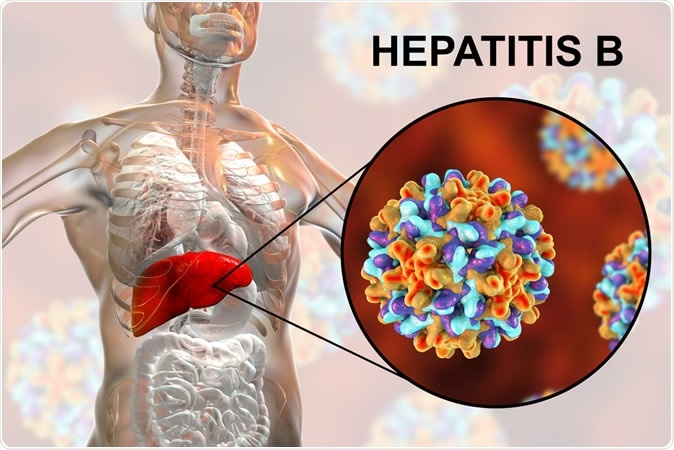
Hepatitis B is a liver disease caused by the Hepatitis B Virus (HBV). Infection can be short-term (acute) or long-term (chronic). One in two people with Hepatitis B do not know they are infected. HBV is highly contagious and spreads through contact with infected blood and body fluids. Vaccination is the best way to prevent […]
The Invisible Enemy: Chlamydia in Women and the Silent Threat of Infertility
Most of us tend to think that if there are no unusual symptoms, the body is perfectly healthy. However, the truth is that there is an invisible ‘enemy’ silently hiding in your body, capable of causing serious consequences, even infertility. That is Chlamydia, one of the most common sexually transmitted diseases (STDs) in women. Chlamydia […]
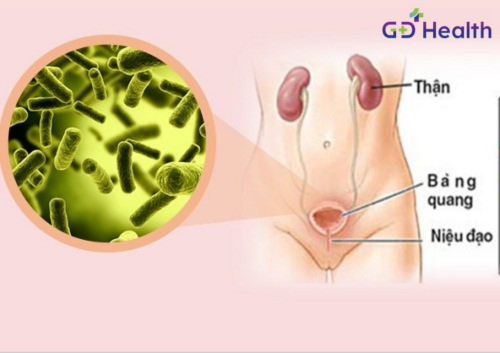
Urinary Tract Infection-UTI
Urinary Tract Infection (UTI), also known as urinary tract infection or urinary infection, is one of the most common infections globally, affecting millions each year worldwide, with a significant financial burden on society. The disease occurs when bacteria invade any part of the urinary system, including the kidneys, ureters, bladder, and urethra. Although usually treatable, […]
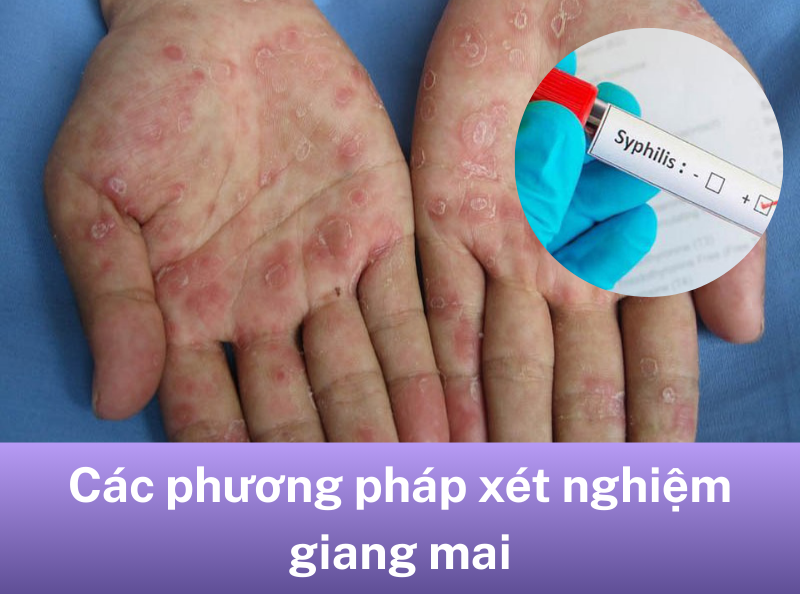
Syphilis Testing: Current Methods, Pros & Cons, and What You Need to Know
Syphilis is one of the common sexually transmitted infections (STIs) that can progress silently but leave serious consequences if not detected and treated promptly. Regular syphilis testing helps with early diagnosis, protecting your health and that of your partner. This article will help you understand the current syphilis testing methods, the pros and cons of […]

Persistent Sore Throat That Won’t Go Away? Do Not Ignore It – You Might Have Chlamydia!
Have you ever had a sore throat that dragged on for weeks, visiting multiple doctors without finding the cause? Even antibiotics didn’t help? It is very likely that the culprit is not the flu, a virus, or common bacteria – but a sexually transmitted infection called Chlamydia. Chlamydia doesn’t just “hide” in the genital area. […]
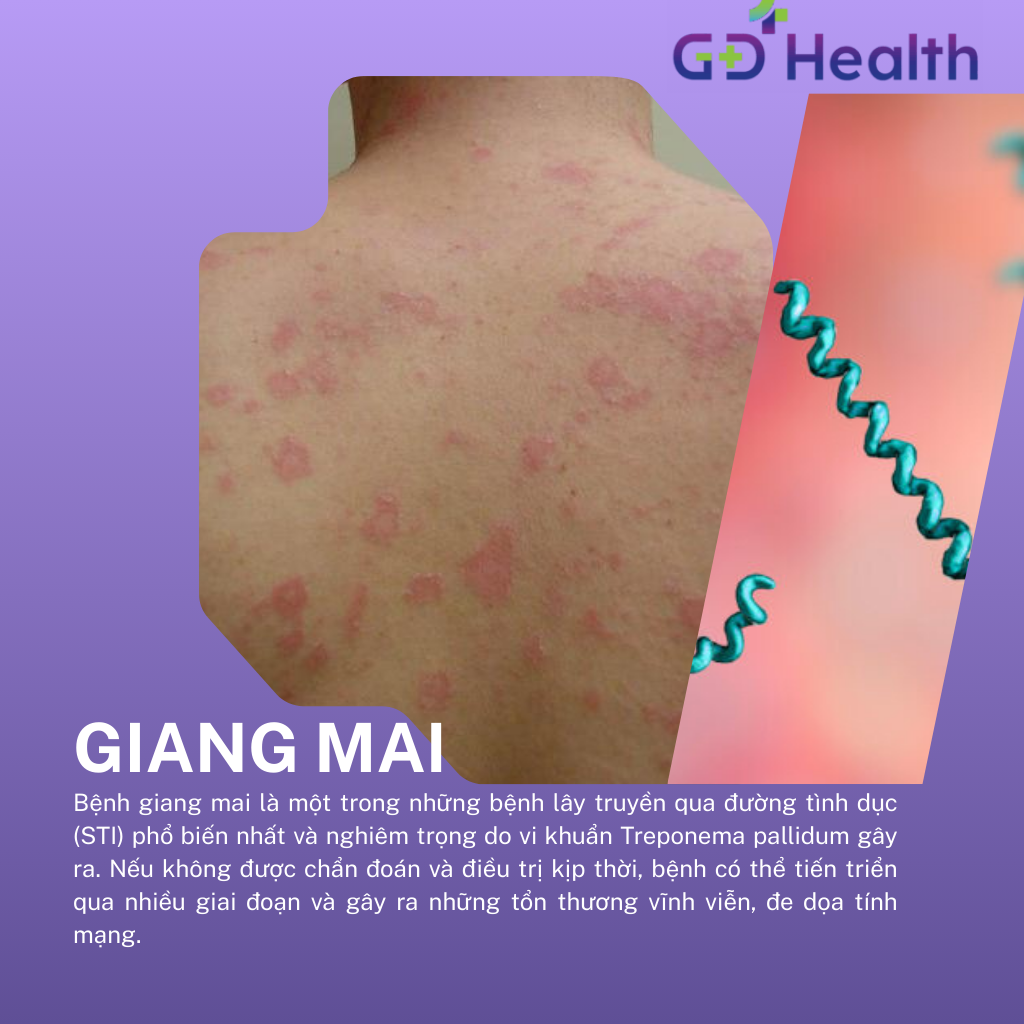
Syphilis Overview
Syphilis is one of the most common and serious Sexually Transmitted Infections (STIs), caused by the bacterium Treponema pallidum. If not diagnosed and treated promptly, the disease can progress through multiple stages, causing permanent damage and threatening life. 1. What is Syphilis?? Syphilis is an infection caused by the spirochete bacterium Treponema pallidum. The disease can […]

Chlamydia: A Comprehensive Overview
Chlamydia is one of the most common Sexually Transmitted Infections (STIs) worldwide, caused by the bacterium Chlamydia trachomatis. It is preventable and curable, spreading mainly through unprotected vaginal, oral, and anal sex. 1. What is Chlamydia? Chlamydia is a common sexually transmitted infection (STI) that can occur in both men and women, caused by the […]
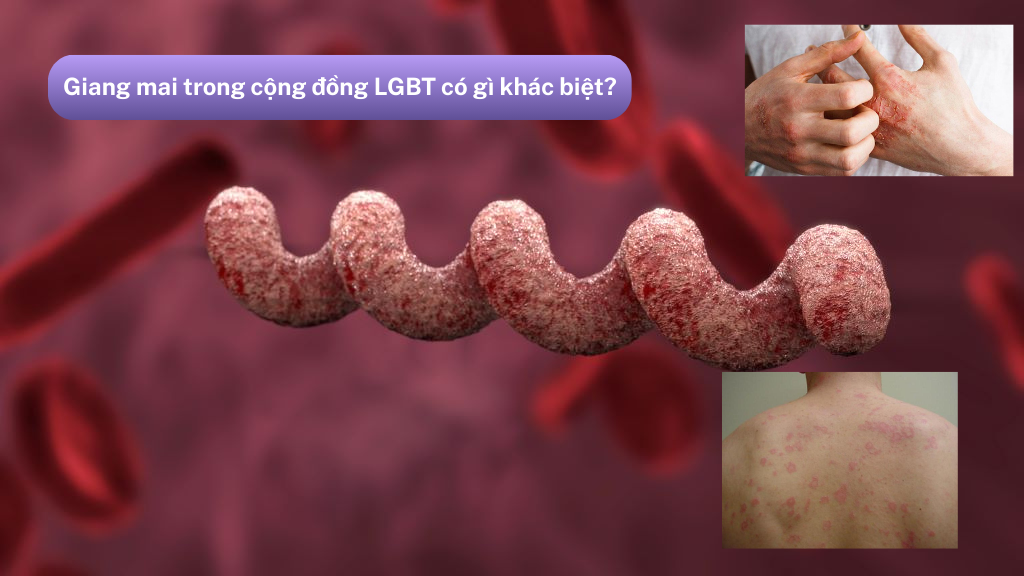
Syphilis in the LGBT Community: Are Signs, Symptoms, and Treatment Different?
1. Syphilis and the LGBT Community? Syphilis is a sexually transmitted infection (STI) caused by the bacterium Treponema pallidum. Although it affects all population groups, the rate of syphilis infection is higher in the LGBT community, especially among men who have sex with men (MSM), due to certain sexual behavioral characteristics and barriers to healthcare access. […]

Can Genital Warts Be Treated at Home?
1. What are Genital Warts? Genital warts, also called venereal warts or anogenital warts, are a common sexually transmitted infection (STIs) caused by the Human Papillomavirus (HPV). Although most HPV infections are clinically asymptomatic, HPV types 6 and 11 are responsible for about 90% of visible genital wart cases. It is important to note that other HPV types, […]