




Submit your info or message us on Zalo or Messenger
Genital Warts on the Tongue: When Oral Sex Risks Are No Longer Private
Health bulletin
28/08/2025
Genital warts are a familiar concept to many, but you might think they only appear in “private areas.” This is a dangerous misconception! Genital warts do not only appear on the genitals; they can also develop in the mouth and throat, especially on the tongue, due to unsafe oral sex. Have you ever noticed tiny bumps, like small papillae, on your tongue and thought it was just a canker sore or mild sore throat? Be careful! That could be an early sign of oral genital warts – a sexually transmitted disease that is increasingly common, especially among young people.
This article will help you recognize, understand the cause, assess the danger level, and learn how to treat this disease in a simple and accurate way.
1. Genital Warts on the Tongue: The Culprit and the Route of Transmission
Genital warts on the tongue are a condition where the tongue area is infected with the HPV (Human Papillomavirus), causing wart-like lesions or papules. This is a form of genital warts, usually transmitted through unsafe oral sex, regardless of gender. We all think that HPV causing genital warts can only be transmitted when there is genital-to-mouth contact during sex? This is true but incomplete. Oral sex is the main route of transmission. However, in some cases, deep kissing, especially when it causes scratches, with a person who has oral HPV can still transmit the virus. This means that a person infected with HPV carries the virus in their saliva and mucus. It can then be transmitted to a partner if these bodily fluids come into contact with open sores or cuts in the mouth or genital area. Additionally, HPV can also spread if someone touches a wart on themselves or on someone else’s skin and then puts their finger in their mouth, or simply by sharing personal items (toothbrush, lipstick, cup) when there is an open wound, although this is rare, it can still happen. The virus enters the oral mucosa through small abrasions, especially if the oral cavity is inflamed, damaged, or not thoroughly cleaned. However, not everyone exposed to HPV develops warts. Some immune systems are more effective at fighting the HPV virus than others, and many people have no symptoms at all. If you have a weakened immune system, you may be more susceptible to oral mucosal warts. The HPV strains that commonly cause this condition are types 6 and 11 – these are low-risk strains but are prone to causing warts in the genital area and the mouth.
2. Signs to Recognize Genital Warts on the Tongue: Don’t Be Confused!
Depending on the HPV strain, several types of warts can form on the tongue. These include:
- Squamous Papilloma: These cauliflower-like lesions are white and are caused by HPV strains 6 and 11.
- Verruca Vulgaris (Common Warts): These nodules are caused by HPV 2 and 4.
- Condyloma Acuminata (Genital Warts): These lesions are found in the genital area but can spread to the tongue through sexual contact. They are associated with HPV 2, 6, and 11.
- Focal Epithelial Hyperplasia (Heck’s Disease): These lesions are associated with HPV 13 and 32.
Warts on the tongue are often difficult to detect in the early stages and are easily mistaken for common dental problems. However, if you look closely, you can recognize them by the following characteristics:
- Appearance: Initially, they are small, pale pink or white, soft nodules that may grow singly or in clusters.
- Surface: Over time, the warts will become larger, with a rough, raised surface, resembling a rooster’s comb or a cauliflower.
- Location: Warts can appear in various locations on the tongue, including:
- The top surface of the tongue.
- The side borders of the tongue.
- The base and underside of the tongue.
- Accompanying Symptoms: They are usually painless, but in the advanced stage, as the warts grow quickly and increase in size, they can cause a feeling of obstruction and discomfort when swallowing or speaking. Sometimes, they may bleed, ulcerate, or become infected due to friction, eating spicy food, or vigorous cleaning. Additionally, breath may be foul-smelling or there may be increased salivation when speaking.
- Important Distinction: Warts need to be differentiated from canker sores, which are conditions that usually cause stinging, pain and may heal on their own after 7–10 days. In contrast, genital warts are painless, do not disappear on their own, and tend to grow larger. Other oral conditions that can be confused include: Lingual papillae inflammation (raised bumps), cysts, oral ulcers, injuries, or syphilitic chancres.
3. What Dangers are Lurking? What is the danger level of genital warts on the tongue?
Early detection and treatment of genital warts on the tongue are very important. If you are complacent, you may face the following risks:
- Causing Difficulty in Daily Life: Large warts can interfere with eating and speaking, reducing the quality of life.
- Risk of Transmission to Others: If left untreated, you can unintentionally transmit the HPV virus to your sexual partners through other contacts.
- Potential Risk of Cancer: Although warts on the tongue are often caused by low-risk HPV strains, if co-infected with high-risk strains such as HPV 16 or 18, the risk of developing oropharyngeal cancer is entirely possible.
- Symptoms of Oropharyngeal Cancer: Usually, there are no symptoms in the early stage, but as it progresses, some symptoms may appear such as: Sore throat, difficulty swallowing, voice changes, ear pain, swollen lymph nodes in the neck, weight loss, numbness or pain in the tongue or jaw, coughing up blood, white or red patches on the tonsils…
According to the U.S. Centers for Disease Control and Prevention (CDC), about 60–70% of oropharyngeal cancer cases in the US are caused by HPV, especially strains HPV-16 and HPV-18. In Vietnam, a study conducted on oropharyngeal cancer tissue samples detected 15.15% of the samples were positive for HPV, of which 86.7% were HPV-16 and 13.3% were HPV-18. Note: HPV-related oropharyngeal cancer is on the rise, especially in men. This is a dangerous disease, so no sign related to HPV in the mouth should be taken lightly. It is noteworthy that HPV-related throat cancer often has no clear early symptoms. By the time it is discovered, the disease is already in an advanced stage.
4. Diagnosis of Genital Warts on the Tongue:
- Clinical examination with the naked eye to detect suspicious lesions.
- Questioning and investigating the sexual history, risk factors, and other symptoms the patient is experiencing.
- HPV DNA testing using the PCR method from an oral fluid sample.
- Tissue biopsy may be necessary if pre-cancerous or malignant lesions are suspected.
- Additionally, screening for other sexually transmitted diseases may be performed, such as: HIV, syphilis, gonorrhea, Chlamydia… especially in high-risk individuals.
5. How are Genital Warts on the Tongue Treated?
Genital warts on the tongue may disappear on their own without treatment. However, this can take several months or even years. Because they can cause nuisance, many people choose to remove them. There are several ways to treat genital warts on the tongue:
- Topical Treatment:
- Cryotherapy (Liệu pháp áp lạnh): Also known as freezing, this method uses liquid nitrogen to freeze the wart and make it fall off. This is considered one of the most effective ways to remove warts.
- Electrosurgery (Phẫu thuật điện): This method involves using an electric current to destroy the wart.
- Surgical Excision (Cắt bỏ bằng phẫu thuật): This is when doctors cut out the wart using a scalpel or laser.
- Trichloroacetic Acid (Axit trichloroacetic): This acid is an effective way to remove oral warts and involves three applications over 45 days.
- Systemic Treatment:
- Immune enhancement with supportive drugs such as inosine pranobex, interferon.
- Increased nutrition, especially foods rich in Vitamin C, E, and zinc to boost the immune system.
- Keep the affected area clean and dry, avoid vigorous rubbing.
- Treat the sexual partner as well to prevent cross-infection.
Genital warts usually respond to treatment within 3 months, but this can be affected by the patient’s immune status and adherence to the treatment regimen.
- Immediately after treatment: Re-examine after 1–2 weeks to check the wound and monitor the treatment response.
- Periodic follow-up:
- First 3 months: Re-examine every 2 weeks due to the high risk of recurrence.
- After 3 consecutive months without new lesions: Considered stable, but continued monitoring is still needed.
Note: Treatment for genital warts on the tongue must be performed by a specialist doctor. Self-treating with topical medications at home can cause burns, ulcers, and may be ineffective, as well as increase the risk of unwanted complications.
6. How to Prevent Genital Warts on the Tongue?
Helpful advice to protect yourself and others from genital warts on the tongue:
- HPV Vaccination: This is the most effective and long-term prevention measure. The HPV vaccine can help protect you from the low-risk HPV strains that cause genital warts and the high-risk strains that cause cancer.
A reliable 2018 study of 2,627 adults in the US showed that people who reported receiving at least one dose of the HPV vaccine were 88% less likely to develop oral HPV compared to those who reported being unvaccinated.
- Practicing Safe Sex: Use condoms correctly; even during oral sex, use condoms and a dental dam, which can significantly reduce the risk of HPV infection.
- Regular Health Check-ups: If you have any suspicion about your oral health or any unusual lesions on your tongue, see a specialist doctor for accurate diagnosis and timely treatment. Especially for high-risk individuals, men who have sex with men (MSM), those who frequently engage in oral sex with multiple partners, or whose partner is infected with HPV…
- Maintain good oral hygiene, limit sharing personal items like toothbrushes. Avoiding alcohol and tobacco also reduces the risk of developing oral cancer, especially if you have warts on your tongue.
7. When Should You See a Doctor for Genital Warts on the Tongue?
- You have a small bump on your tongue that persists for more than 2 weeks with no clear cause.
- You have a history of unsafe oral sex.
- You have had or suspect a genital HPV infection.
8. Conclusion
Genital warts on the tongue not only cause discomfort in daily life but can also be a warning sign of more serious diseases like oropharyngeal cancer. Early detection, timely treatment, and effective prevention are the ways to protect your health and the community’s health. Do not let complacency affect your health. Be proactive in prevention, examination, and treatment when necessary. Your health is your most valuable asset!
This article is written by BS. CKI. Võ Nguyễn Duy Hoà, a specialist in General Surgery, Urology, and Andrology. The doctor has many years of experience in the field of reproductive and sexual health.
Reference
- [1]. Warts on the Tongue
https://www.newmouth.com/oral-health/warts-on-tongue/ - [2]. Understanding Warts on Your Tongue
https://www.healthline.com/health/warts-on-tongue#causes - [3]. HƯỚNG DẪN CHẨN ĐOÁN VÀ ĐIỀU TRỊ BỆNH SÙI MÀO GÀ
(Ban hành kèm theo Quyết định số 5185/QĐ-BYT ngày 09 tháng 11 năm 2021 của Bộ trưởng Bộ Y tế)
Related news
Hepatitis C: Do Not Ignore It!
Hepatitis C is a liver inflammation caused by the Hepatitis C virus (HCV). You can contract the virus through contact with infected blood. Most people with HCV have no symptoms. Crucial Fact: There is currently no vaccine for Hepatitis C. The best prevention is avoiding high-risk behaviors. However, testing and treatment can prevent complications and […]
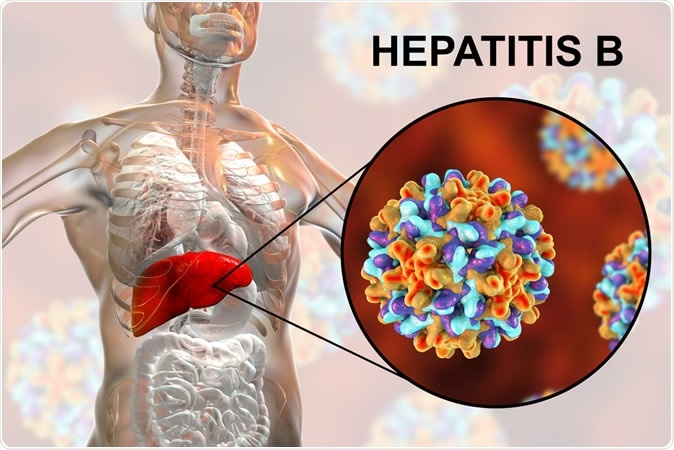
Hepatitis B: A Comprehensive Guide
Hepatitis B is a liver disease caused by the Hepatitis B Virus (HBV). Infection can be short-term (acute) or long-term (chronic). One in two people with Hepatitis B do not know they are infected. HBV is highly contagious and spreads through contact with infected blood and body fluids. Vaccination is the best way to prevent […]
The Invisible Enemy: Chlamydia in Women and the Silent Threat of Infertility
Most of us tend to think that if there are no unusual symptoms, the body is perfectly healthy. However, the truth is that there is an invisible ‘enemy’ silently hiding in your body, capable of causing serious consequences, even infertility. That is Chlamydia, one of the most common sexually transmitted diseases (STDs) in women. Chlamydia […]
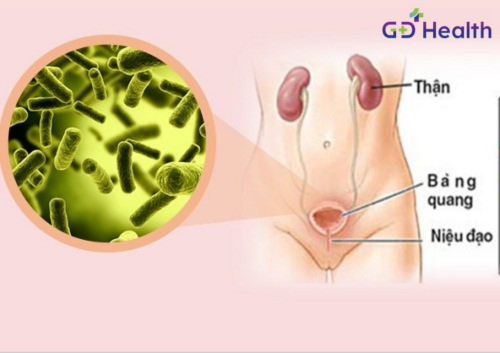
Urinary Tract Infection-UTI
Urinary Tract Infection (UTI), also known as urinary tract infection or urinary infection, is one of the most common infections globally, affecting millions each year worldwide, with a significant financial burden on society. The disease occurs when bacteria invade any part of the urinary system, including the kidneys, ureters, bladder, and urethra. Although usually treatable, […]
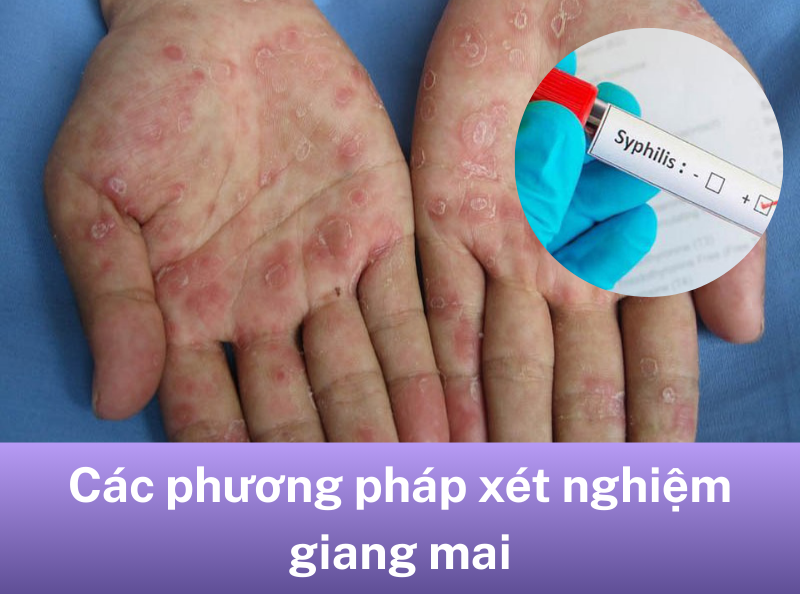
Syphilis Testing: Current Methods, Pros & Cons, and What You Need to Know
Syphilis is one of the common sexually transmitted infections (STIs) that can progress silently but leave serious consequences if not detected and treated promptly. Regular syphilis testing helps with early diagnosis, protecting your health and that of your partner. This article will help you understand the current syphilis testing methods, the pros and cons of […]

Persistent Sore Throat That Won’t Go Away? Do Not Ignore It – You Might Have Chlamydia!
Have you ever had a sore throat that dragged on for weeks, visiting multiple doctors without finding the cause? Even antibiotics didn’t help? It is very likely that the culprit is not the flu, a virus, or common bacteria – but a sexually transmitted infection called Chlamydia. Chlamydia doesn’t just “hide” in the genital area. […]
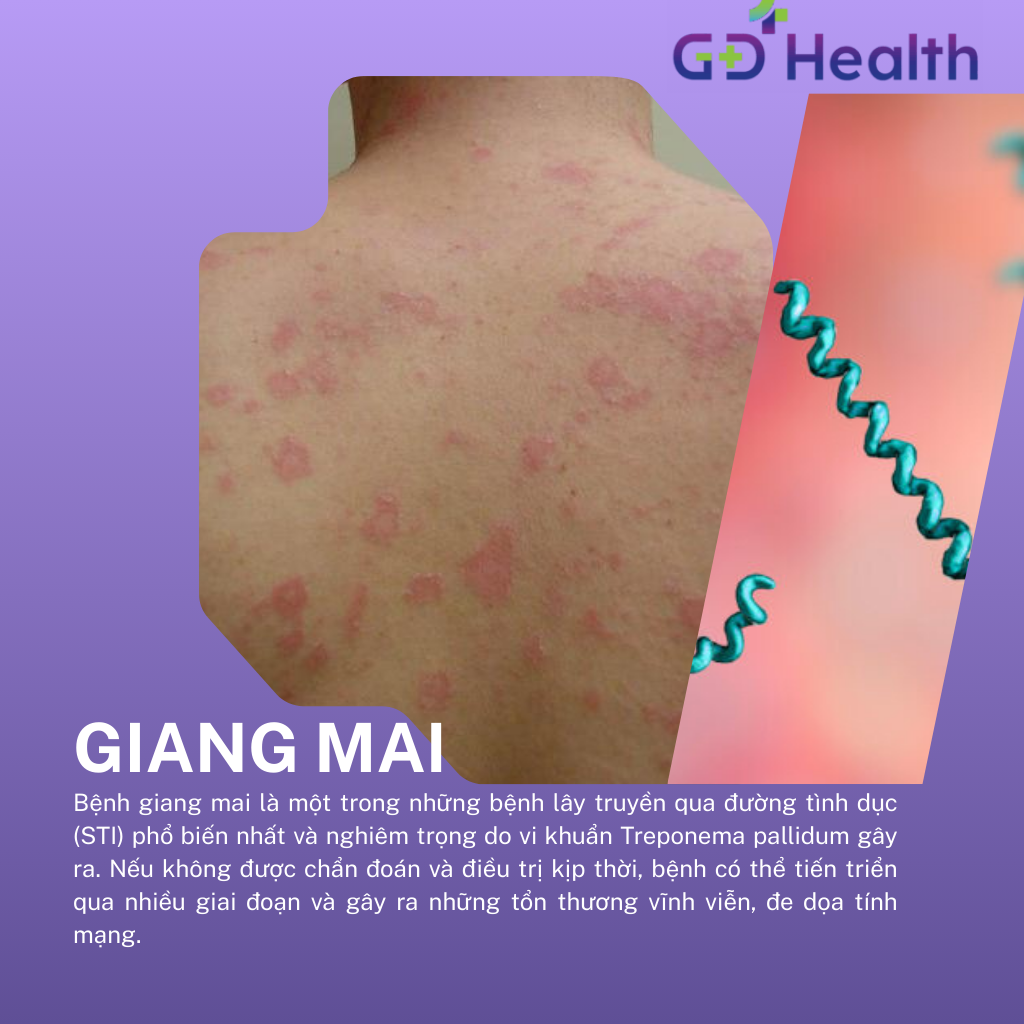
Syphilis Overview
Syphilis is one of the most common and serious Sexually Transmitted Infections (STIs), caused by the bacterium Treponema pallidum. If not diagnosed and treated promptly, the disease can progress through multiple stages, causing permanent damage and threatening life. 1. What is Syphilis?? Syphilis is an infection caused by the spirochete bacterium Treponema pallidum. The disease can […]
Chlamydia: A Comprehensive Overview
Chlamydia is one of the most common Sexually Transmitted Infections (STIs) worldwide, caused by the bacterium Chlamydia trachomatis. It is preventable and curable, spreading mainly through unprotected vaginal, oral, and anal sex. 1. What is Chlamydia? Chlamydia is a common sexually transmitted infection (STI) that can occur in both men and women, caused by the […]
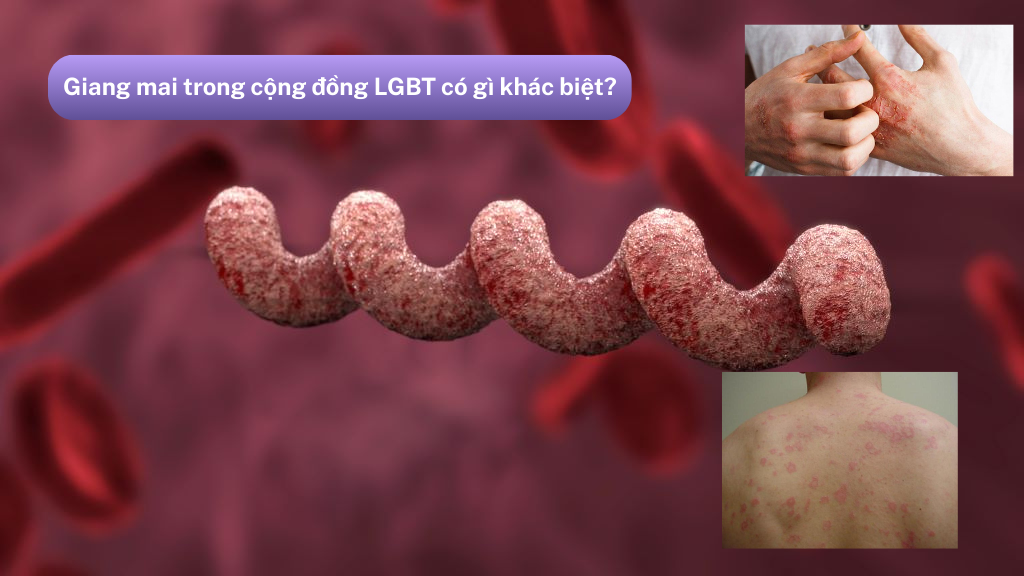
Syphilis in the LGBT Community: Are Signs, Symptoms, and Treatment Different?
1. Syphilis and the LGBT Community? Syphilis is a sexually transmitted infection (STI) caused by the bacterium Treponema pallidum. Although it affects all population groups, the rate of syphilis infection is higher in the LGBT community, especially among men who have sex with men (MSM), due to certain sexual behavioral characteristics and barriers to healthcare access. […]
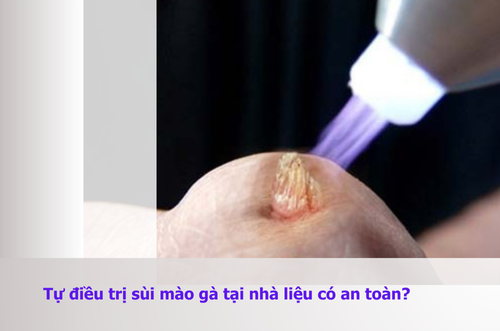
Can Genital Warts Be Treated at Home?
1. What are Genital Warts? Genital warts, also called venereal warts or anogenital warts, are a common sexually transmitted infection (STIs) caused by the Human Papillomavirus (HPV). Although most HPV infections are clinically asymptomatic, HPV types 6 and 11 are responsible for about 90% of visible genital wart cases. It is important to note that other HPV types, […]