




Submit your info or message us on Zalo or Messenger
How to Know if You Have Gonorrhea?
Health bulletin
28/08/2025
Have you recently had unprotected sex and are feeling worried?
Are you experiencing painful urination, or unusual discharge from your genitals, anus, or mouth?
Could these be signs of Gonorrhea? So, how can you know for sure if you have Gonorrhea or not? This article will help you understand clearly:
- Signs of Gonorrhea in both men and women.
- When should you get tested?
- Methods for diagnosing Gonorrhea.
- Complications when not treated promptly.
- How to prevent Gonorrhea?
1. What is Gonorrhea?
Gonorrhea is an ancient disease of humanity, with references to its symptoms found in the Old Testament of the Bible (Leviticus 15:1–3). For nearly 700 years, it was known as “the clap,” possibly alluding to the old quarter of Le Clapiers in Paris, where sex workers lived.
Today, Gonorrhea is one of the most common sexually transmitted infections (STIs) caused by the bacterium Neisseria gonorrhoeae. The disease is primarily transmitted through unsafe sexual contact (vaginal, anal, oral). Failure to treat promptly can lead to serious and permanent complications.
2. How is Gonorrhea contracted?
Gonorrhea is primarily transmitted through unsafe sexual contact with an infected person. The main routes of transmission include:
- Vaginal, Anal, or Oral Sex: These are the most common routes of infection, leading to Gonorrhea in the genitals, rectum, or throat.
- Mother-to-Child: Pregnant women infected with Gonorrhea can transmit the bacteria to their baby during childbirth, causing severe eye infection (gonococcal conjunctivitis) in newborns, which can even lead to blindness if untreated.
- Direct Contact with Secretions: Although rarer, direct contact with infected secretions (e.g., infected hands touching the eyes), or a scraped mucous membrane can also cause infection.

3. What are the signs of Gonorrhea?
Gonorrhea infection often has no obvious signs and symptoms. This makes early diagnosis and infection control difficult and can still cause serious complications even without any symptoms. Symptoms usually appear 3 to 5 days after infection, which can be earlier in men and later in women. However, they can also take 14–30 days after exposure to the bacteria.
3.1. Signs and Symptoms of Gonorrhea in Women
Women often do not have any signs and symptoms. Typically, only about 10–20% of women with Gonorrhea have symptoms, and when they do, the symptoms are mild and easily confused with other vaginal or bladder infections. Symptoms may include:
- Pain or a burning sensation when urinating (dysuria, stinging)
- Increased vaginal discharge: The discharge may be yellow or green and have a foul odor.
- Abnormal vaginal bleeding: Bleeding between periods, after sexual intercourse, or heavier than usual menstrual flow.
- Pain in the lower abdomen or pelvic area.
- Pain during sexual intercourse (dyspareunia).
3.2. Signs and Symptoms of Gonorrhea in Men
In men, symptoms are usually more pronounced than in women, but about 10% are asymptomatic and 25% have mild symptoms. Common symptoms include:
- Pain or a burning sensation when urinating (dysuria, stinging): This is one of the earliest and most common symptoms.
- Discharge from the penis: Usually white, yellow, or green, thick, and containing pus.
- Pain or swelling in the testicles: Less common, usually only affecting one testicle (epididymitis).
- Itching or discomfort at the urethral opening (urethritis): The urinary tract and meatus are swollen, red, itchy, and may have pus and mucus discharge.
- Pain during erection and sexual intercourse, painful ejaculation, possibly with blood in the semen.
3.3. Anal Gonorrhea, Signs are Often Missed
Gonorrhea in the anus-rectum in both men and women, especially men who have sex with men (MSM), is often transmitted through unsafe anal sex and may not cause any symptoms or may manifest symptoms such as:
- Anal, rectal discharge.
- Itching, burning pain in the anal area.
- Rectal bleeding.
- Pain during defecation.
- Feeling of urgency during defecation.
3.4. Gonorrhea in the Throat (Pharyngeal Gonorrhea)
Gonorrhea in the throat is often the result of unsafe oral sex. Similar to rectal gonorrhea, pharyngeal gonorrhea is usually asymptomatic. If symptoms do occur, they are often very mild and may include:
- Soreness, itching, or a burning sensation in the throat, sometimes with swollen lymph nodes in the neck.
- Bad breath, increased oral secretions.
- Pharyngitis.
4. How to know if you are at risk for Gonorrhea?
You should be suspicious and need to be examined for Gonorrhea screening if:
- Have had unprotected sex in the last 1–2 weeks.
- Have signs and symptoms suspicious of Gonorrhea.
- Your sexual partner has signs of Gonorrhea or has been diagnosed with Gonorrhea or other STIs.
- Or if you have high-risk factors for Gonorrhea such as:
- Having multiple or new sexual partners: A higher number of partners or new partners with an unknown sexual history increases the risk of exposure to an infected person.
- Inconsistent and incorrect condom use: Condoms are an effective measure to prevent the transmission of Gonorrhea.
- A history of other sexually transmitted infections (STIs): Having had other STIs may increase the likelihood of contracting Gonorrhea.
- Sexual contact with a partner known or suspected to have Gonorrhea.
- Men who have sex with men (MSM).

5. How to know for sure if you are infected with Gonorrhea?
As mentioned, Gonorrhea can be asymptomatic and also have symptoms that are easily confused with other diseases, especially in women. Therefore, to know for sure if you are infected with Gonorrhea, you need diagnostic tests. Common methods include:
- Nucleic Acid Amplification Tests (NAATs): Of these, PCR is the currently common test and the gold standard for Gonorrhea diagnosis.
- This is a new technique with the highest sensitivity and specificity (accurate detection and identification capability), making it the priority test for detecting Gonorrhea in symptomatic or asymptomatic patients. Results are also available quickly. The specimen can be collected from various sources such as: urine, or discharge from the urethra (in men), cervix (in women), rectum, or throat using a swab. PCR also allows for the simultaneous detection of multiple other STI agents with just one specimen.
- Bacterial Culture: This method requires a good specimen collection, timely inoculation into an appropriate culture medium, correct transportation, and incubation in an appropriate environment to achieve optimal results. Therefore, it may have limitations if not performed well. The site of specimen collection with the highest positive rate in men is the urethra, and in women is the cervix, which limits the source of specimens compared to the PCR method. Results take longer. However, this method allows for the identification of the presence of bacteria and the performance of antibiotic susceptibility testing (antibiogram), which is especially important in the context of increasing drug resistance and for cases that do not respond to initial treatment or have complex, recurrent Gonorrhea.
6. What are the consequences if Gonorrhea is not diagnosed and treated early?
If not diagnosed and treated promptly, Gonorrhea can cause serious and permanent complications, affecting reproductive and systemic health.
- In women, untreated Gonorrhea can cause Pelvic Inflammatory Disease (PID)
- The infection can spread to the uterus, fallopian tubes, and ovaries, causing complications such as:
- Infertility: Due to the formation of scar tissue that blocks the fallopian tubes and can permanently damage them, preventing the egg from meeting the sperm.
- Ectopic pregnancy: A fertilized egg develops outside the uterus, which can be life-threatening.
- Chronic, persistent abdominal/pelvic pain.
- The infection can spread to the uterus, fallopian tubes, and ovaries, causing complications such as:
- In men:
- Epididymitis: Infection of the tube that carries sperm from the testicles, causing pain and swelling. In some cases, this can lead to infertility.
- Urethral Stricture: Chronic infection can cause scarring and narrowing of the urethra, leading to difficulty urinating.
- Also in both men and women:
- Disseminated Gonococcal Infection (DGI): The Gonorrhea bacteria can enter the bloodstream and spread throughout the body, causing joint infection (septic arthritis), skin infection (skin lesions, rash), heart infection (endocarditis), or brain infection (meningitis). DGI is a serious condition that can be life-threatening.
- Increased risk of HIV infection: Gonorrhea increases the likelihood of contracting or transmitting HIV.
- In newborns:
- Gonococcal Conjunctivitis: Due to transmission from an infected mother to the baby during birth, manifesting as pus discharge from the eyes and swollen eyelids. If untreated, it can lead to corneal ulceration, scarring, and blindness.
7. What should you do if you suspect you have Gonorrhea?
First, do not panic, but also do not be complacent. Contact our healthcare professionals to share your current situation and the symptoms you are experiencing. This will help them give you the most accurate advice for diagnosis and treatment. Then, get tested as soon as possible, inform your partner if there is a suspicion of involvement, and abstain from sexual activity until you have the results. Finally, after receiving clear results, follow the treatment guidance of the healthcare professional. Absolutely do not self-purchase or self-treat without consultation from a healthcare professional, as this will increase the risk of drug resistance, failed treatment, and cause more difficult-to-treat complications.
8. How to avoid Gonorrhea and prevent recurrence?
Protect yourself and your loved ones with the right knowledge, habits, and actions:
- Practice safe sex:
- Use condoms correctly and consistently: This is the most effective measure to prevent the transmission of Gonorrhea and other STIs during vaginal, anal, or oral sex.
- Limit the number of sexual partners and avoid sex with new partners of unknown history: Reducing the number of partners will reduce the risk of exposure to an infected person.
- Timely testing and treatment:
- Regular STI testing: If you have multiple partners or are at high risk, get tested for STIs regularly, including Gonorrhea.
- Immediate treatment: If you or your partner are diagnosed with Gonorrhea, seek immediate treatment and adhere to the doctor’s regimen.
- Education and awareness:
- Open discussion with your partner: Discuss your STI history and testing before sexual intercourse.
- Raise awareness of sexual health: Understanding STIs and how to prevent them is very important.
- Other measures:
- Avoid sharing needles: For people who inject drugs, do not share needles.
- Get vaccinated against HPV and Hepatitis B: Although these do not directly prevent Gonorrhea, these vaccines help protect against other STIs.
This article is written by BS. CKI. Võ Nguyễn Duy Hoà, a specialist in General Surgery, Urology, and Andrology. The doctor has many years of experience in the field of reproductive and sexual health.
Reference
- [1]. Gonorrhoea (Neisseria gonorrhoeae infection)
https://www.who.int/news-room/fact-sheets/detail/gonorrhoea-(neisseria-gonorrhoeae-infection - [2]. Quyết định 5165/QĐ-BYT 2021 hướng dẫn chẩn đoán và điều trị bệnh lậu https://thuvienphapluat.vn/van-ban/Tai-nguyen-Moi-truong/Quyet-dinh-5165-QD-BYT-2021-huong-dan-chan-doan-va-dieu-tri-benh-Lau-494081.aspx
- [3]. About Gonorrhea
https://www.cdc.gov/gonorrhea/about/index.html - [4]. Gonorrhea Facts and Statistics: What You Need to Know
https://www.verywellhealth.com/facts-about-gonorrhea-5496694 - [5]. Baarda BI, Sikora AE. Proteomics of Neisseria gonorrhoeae: the treasure hunt for countermeasures against an old disease. Frontier in Microbiology. 2015;6:1190. Published 2015 Oct 26. doi:10.3389/fmicb.2015.01190
Related news
Hepatitis C: Do Not Ignore It!
Hepatitis C is a liver inflammation caused by the Hepatitis C virus (HCV). You can contract the virus through contact with infected blood. Most people with HCV have no symptoms. Crucial Fact: There is currently no vaccine for Hepatitis C. The best prevention is avoiding high-risk behaviors. However, testing and treatment can prevent complications and […]
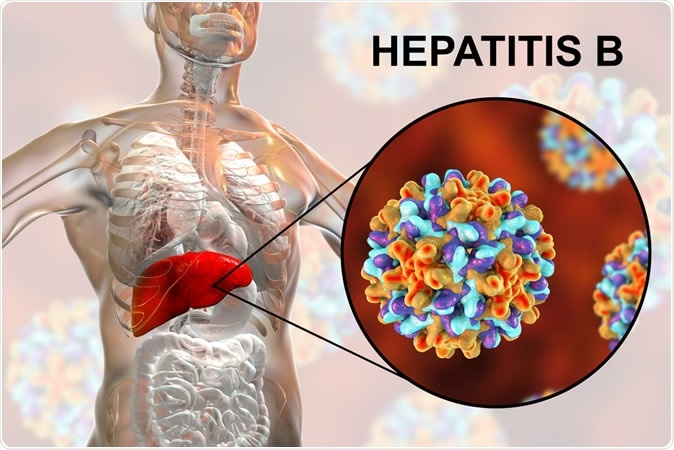
Hepatitis B: A Comprehensive Guide
Hepatitis B is a liver disease caused by the Hepatitis B Virus (HBV). Infection can be short-term (acute) or long-term (chronic). One in two people with Hepatitis B do not know they are infected. HBV is highly contagious and spreads through contact with infected blood and body fluids. Vaccination is the best way to prevent […]
The Invisible Enemy: Chlamydia in Women and the Silent Threat of Infertility
Most of us tend to think that if there are no unusual symptoms, the body is perfectly healthy. However, the truth is that there is an invisible ‘enemy’ silently hiding in your body, capable of causing serious consequences, even infertility. That is Chlamydia, one of the most common sexually transmitted diseases (STDs) in women. Chlamydia […]
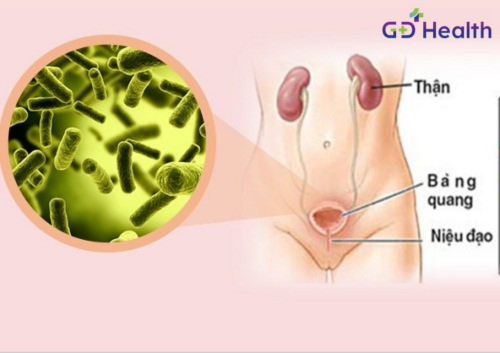
Urinary Tract Infection-UTI
Urinary Tract Infection (UTI), also known as urinary tract infection or urinary infection, is one of the most common infections globally, affecting millions each year worldwide, with a significant financial burden on society. The disease occurs when bacteria invade any part of the urinary system, including the kidneys, ureters, bladder, and urethra. Although usually treatable, […]

Syphilis Testing: Current Methods, Pros & Cons, and What You Need to Know
Syphilis is one of the common sexually transmitted infections (STIs) that can progress silently but leave serious consequences if not detected and treated promptly. Regular syphilis testing helps with early diagnosis, protecting your health and that of your partner. This article will help you understand the current syphilis testing methods, the pros and cons of […]

Persistent Sore Throat That Won’t Go Away? Do Not Ignore It – You Might Have Chlamydia!
Have you ever had a sore throat that dragged on for weeks, visiting multiple doctors without finding the cause? Even antibiotics didn’t help? It is very likely that the culprit is not the flu, a virus, or common bacteria – but a sexually transmitted infection called Chlamydia. Chlamydia doesn’t just “hide” in the genital area. […]

Syphilis Overview
Syphilis is one of the most common and serious Sexually Transmitted Infections (STIs), caused by the bacterium Treponema pallidum. If not diagnosed and treated promptly, the disease can progress through multiple stages, causing permanent damage and threatening life. 1. What is Syphilis?? Syphilis is an infection caused by the spirochete bacterium Treponema pallidum. The disease can […]

Chlamydia: A Comprehensive Overview
Chlamydia is one of the most common Sexually Transmitted Infections (STIs) worldwide, caused by the bacterium Chlamydia trachomatis. It is preventable and curable, spreading mainly through unprotected vaginal, oral, and anal sex. 1. What is Chlamydia? Chlamydia is a common sexually transmitted infection (STI) that can occur in both men and women, caused by the […]
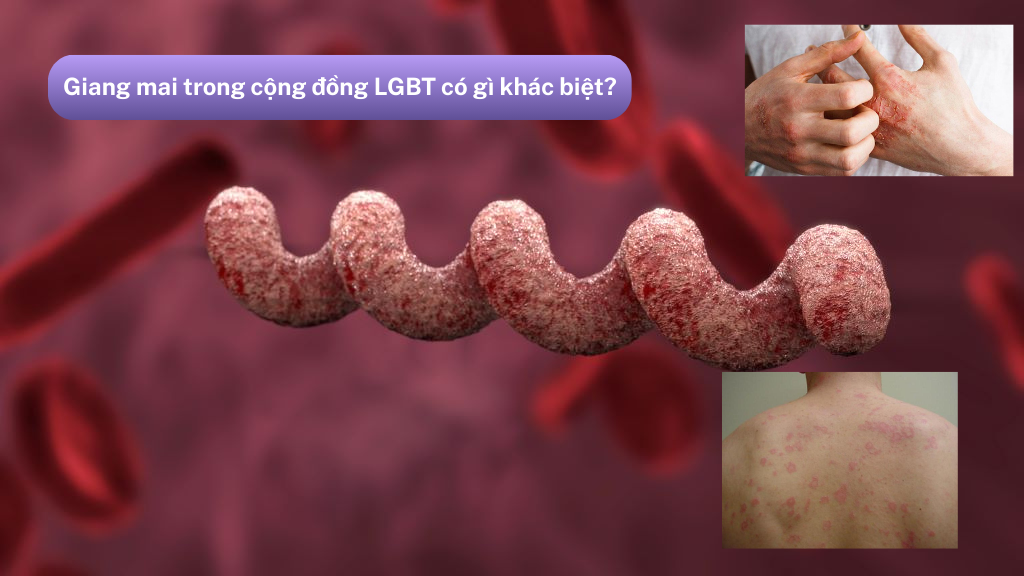
Syphilis in the LGBT Community: Are Signs, Symptoms, and Treatment Different?
1. Syphilis and the LGBT Community? Syphilis is a sexually transmitted infection (STI) caused by the bacterium Treponema pallidum. Although it affects all population groups, the rate of syphilis infection is higher in the LGBT community, especially among men who have sex with men (MSM), due to certain sexual behavioral characteristics and barriers to healthcare access. […]

Can Genital Warts Be Treated at Home?
1. What are Genital Warts? Genital warts, also called venereal warts or anogenital warts, are a common sexually transmitted infection (STIs) caused by the Human Papillomavirus (HPV). Although most HPV infections are clinically asymptomatic, HPV types 6 and 11 are responsible for about 90% of visible genital wart cases. It is important to note that other HPV types, […]