




Submit your info or message us on Zalo or Messenger
Oral HPV Transmission: Genital Warts, Throat Cancer – Did You Know?
Health bulletin
04/09/2025
1. What is HPV?
Human Papillomavirus (HPV) is a virus primarily transmitted through sexual contact, including vaginal, anal, and oral sex. You might be surprised to learn that oral sex is an increasingly common route of transmission for genital warts in particular, or HPV in general. That’s right, because oral sex—whether with the penis, vulva, or anus—can be a route of HPV infection if one of the partners carries the virus.
2. HPV Transmission through Oral Sex: A Risk That Cannot Be Ignored
Do people think genital warts or HPV are usually just a “private parts” issue? Or “It’s just oral sex, so it’s probably safe,” and always assume that oral sex is harmless. That is a fatal mistake! The HPV virus, the main culprit behind genital warts and cancer, is lurking even when you practice “making love” with your mouth. Do not be complacent, because those potential risks could be the start of a journey to face HPV in the mouth and throat, genital warts in the oral cavity, and even oropharyngeal cancer. And it could cost you dearly.
3. Oral Sex: Harmless or a Gateway to HPV Infection?
Many people believe oral sex is a “safer” form because it doesn’t involve classical penetration. But the truth is:
- HPV can be transmitted just through skin-to-mucosa contact, without the need for ejaculation or blood.
- Small abrasions in the oral cavity, on the tongue, or in the throat (due to hard brushing, mouth sores, gum inflammation…) are entry points for the virus.
- Even without symptoms in the genital organs, a person carrying HPV can still transmit the virus through oral sex.
Genital Warts on the Mouth, Tongue, or Throat: No Longer Rare and Not “Just a Small Issue”. Rate of HPV infection in the oral and pharyngeal cavity:
- The prevalence of HPV infection in the oral and pharyngeal cavity in the general population is quite diverse depending on the region and study group, ranging from 0.9% to 7.5%.
- In Vietnam:
- In a study of high-risk women (group with risky sexual activity) in Ho Chi Minh City, the oral HPV prevalence rate was 24.6% for any HPV type and 16.7% for high-risk HPV types. In the group of women with a history of transactional sex, this rate was significantly higher: 48.9% for any HPV type and 38.3% for high-risk types.
- Another study in a group of female sex workers in Hanoi and Ho Chi Minh City showed that the prevalence rate for any HPV type was 26.3%, of which high-risk HPV was 17.6%. The most common HPV types were HPV-52 (7%) and HPV-58 (6%).
HPV strains 6 and 11 – which commonly cause genital warts – can also develop on the tongue, lips, inner cheek lining, palate, and larynx. Many cases are asymptomatic and easily overlooked. When HPV is transmitted through oral sex, it can cause genital warts in locations few people suspect:
- Pharynx: Warts may appear on the tonsils and palate, causing discomfort when swallowing or speaking.
- Tongue: Lesions may appear on the surface or under the tongue, sometimes mistaken for common dental problems.
- Lips, oral cavity: Genital warts can also develop on the lips, inside the cheeks, causing aesthetic problems and difficulties in daily life.
Do not think that genital warts in the mouth are just an “external” issue. Although they do not always cause severe pain, their appearance is a warning sign that you have been infected with the virus and carry greater potential risks. Because it is easily mistaken for mouth ulcers or pharyngitis, oral genital warts are often detected late or misdiagnosed. This leads to the disease progressing for a long time without appropriate treatment.
4. HPV-related Oropharyngeal Cancer: The Real Nightmare
This is the most frightening part and a truly alarming concern. The link between HPV and oropharyngeal cancer (cancer of the oropharynx) has been clearly scientifically proven. Specifically, the HPV 16 strain is the primary “culprit” behind the majority of these cancer cases.
- Why oropharyngeal cancer? Cells in the oropharynx, especially the tonsils and base of the tongue, are very susceptible to HPV attack and transformation into cancer cells. This process occurs silently over many years, often without clear symptoms until the disease is in the late stages.
- Horrible consequences: Oropharyngeal cancer is a dangerous disease, difficult to treat if detected late, severely affecting the ability to speak, swallow, and quality of life, and even threatening life.

- According to statistics:
- HPV is estimated to be the cause of about 5.2% of the global cancer burden, including anal, genital tract, and oropharyngeal cancers. A meta-analysis shows that the HPV positive rate is 10% in the oral cavity and 42% in the oropharynx.
- According to the U.S. Centers for Disease Control and Prevention (CDC), about 60–70% of oropharyngeal cancer cases in the US are caused by HPV, especially strains HPV-16 and HPV-18. This increasing trend has led to the number of HPV-related throat cancer cases in American men (about 12,600 cases/year) being many times higher than in women (about 3,100 cases/year).
- In Vietnam:
- Studies on the general HPV prevalence rate in Vietnam also indicate that the HPV prevalence rate ranges from 0.9–12%, with differences between age groups and regions. Ho Chi Minh City has a higher HPV prevalence rate (10.8–12%) compared to other areas (0.9–6.4%).
- A study conducted on oropharyngeal cancer tissue samples in Vietnam found that 15.15% of the samples were positive for HPV, of which 86.7% were HPV-16 and 13.3% were HPV-18.
- This proves the role of high-risk HPV strains in a significant proportion of oropharyngeal cancers in Vietnam.
It is noteworthy that HPV-related throat cancer often has no clear early symptoms. By the time it is discovered, the disease is already in an advanced stage.
5. Why is Oral Sex Potentially Riskier Than You Think and Who is at High Risk for Oral HPV Infection?
Although anyone who engages in oral sexual activity can become infected with HPV, some individuals are at higher risk, including:
- People with multiple partners, especially when not using protection during oral sex (Not using condoms or dental dams leads to direct exposure to the HPV virus from the carrier).
- Men who have sex with men (MSM): This group has a high rate of oral-pharyngeal HPV infection.
- People with HIV, other sexually transmitted diseases or a compromised immune system.
- People who smoke and regularly consume alcohol have a higher risk of HPV infection in the throat due to a weakened immune system and damage to the throat and mouth lining.
- The psychological belief of “no danger” compared to vaginal/anal sex, leads to a complacent attitude and few people practice prevention.
- Lack of HPV vaccination: Many people do not realize the importance of the HPV vaccine, especially in men (most only think the HPV vaccine is for women). Furthermore, people who have been vaccinated against HPV can still become infected if they have not completed the full course or have been exposed to strains not covered by the vaccine.
6. How to Protect Yourself from Oral HPV?
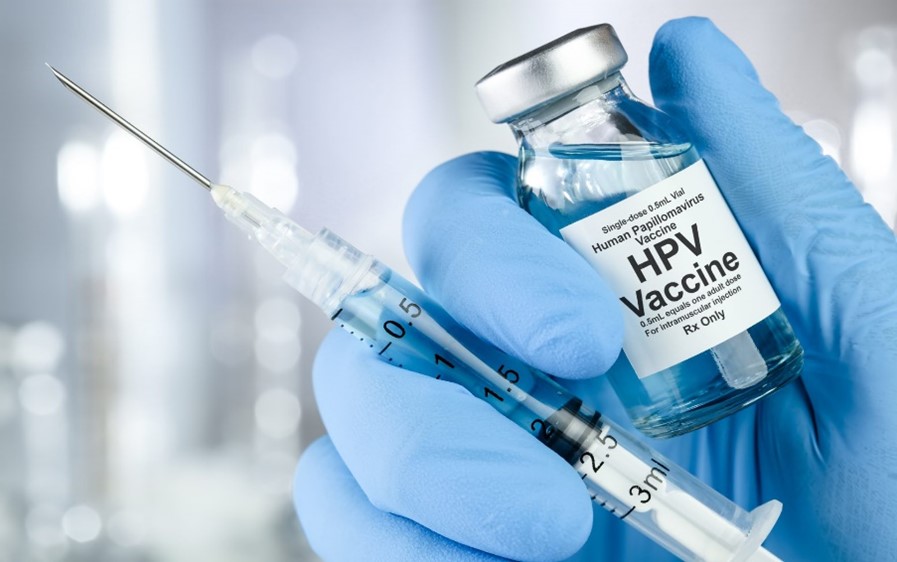
- Get the HPV vaccine early and completely:
- The current HPV vaccine (Gardasil 9) protects against 9 virus strains, including those that cause genital warts and cancer.
- It is best to vaccinate at ages 9–26, but it can still be administered up to age 45 if the person has not been previously infected.
- The vaccine not only protects the cervix but also helps reduce the risk of oral-pharyngeal HPV infection.
- Use protection during oral sex (condoms, dental dams significantly reduce the risk of HPV transmission).
- Avoid oral sex when you have mouth sores, canker sores, or pharyngitis or any unresolved issues in the oral and pharyngeal cavity.
- Limit the number of sexual partners and get regular health check-ups because having sex with many people, especially those with unknown STI status, increases the risk of HPV infection.
- Get regular ear, nose, and throat examinations if you belong to a high-risk group, especially men who have sex with men (MSM).
- Do not smoke, limit alcohol consumption.
7. Conclusion
Unsafe oral sex carries the risk of transmitting HPV, causing genital warts in particular and HPV-related diseases in general, especially oropharyngeal cancer. HPV is not only a virus that causes cervical cancer but also a threat to the health of the throat and mouth. While oral genital warts cause discomfort, HPV-related oropharyngeal cancer is truly dangerous and is increasing in young adults. Do not let the thought that “oral sex is clean, it’s fine” make you complacent. HPV spares no one. Take action today to protect your own health! Protecting yourself with knowledge, safe sexual behavior, and early vaccination is the best way to say no to HPV and genital warts.
This article is written by BS. CKI. Võ Nguyễn Duy Hoà, a specialist in General Surgery, Urology, and Andrology. The doctor has many years of experience in the field of reproductive and sexual health.
Reference
- [1]. HPV and Oropharyngeal Cancer
https://www.cdc.gov/cancer/hpv/oropharyngeal-cancer.html - [2]. Sự phân bố các chủng Human Papilomavirus (HPV) trong ung thư vòm mũi họng
https://tapchinghiencuuyhoc.vn/index.php/tcncyh/article/view/504 - [3]. Self-reported Oral Health, Oral Hygiene, and Oral HPV Infection in At-Risk Women in Ho Chi Minh City, Vietnam – ResearchGate. https://www.researchgate.net/publication/276164367_Self-reported_Oral_Health_Oral_Hygiene_and_Oral_HPV_Infection_in_At-Risk_Women_in_Ho_Chi_Minh_City_Vietnam
- [4]. Prevalence and risk factors for human papillomavirus infection among female sex workers in Hanoi and Ho Chi Minh City, Viet Nam: a cross-sectional study – PMC. https://pmc.ncbi.nlm.nih.gov/articles/PMC9912289/
- [5]. Prevalence and risk factors for human papillomavirus infection among female sex workers in Hanoi and Ho Chi Minh City, Viet Nam: – Western Pacific Surveillance and Response Journal. https://ojs.wpro.who.int/ojs/index.php/wpsar/article/view/894/1100
- [6]. Epidemiology of oral human papillomavirus infection – PMC. https://pmc.ncbi.nlm.nih.gov/articles/PMC3968244/
- [7]. NHIỄM HUMAN PAPILLOMAVIRUS: THỰC TRẠNG VÀ GIẢI PHÁP
Tạp chí Y Dược học Cần Thơ. https://tapchi.ctump.edu.vn/index.php/ctump/article/download/523/513/1171
Related news
Hepatitis C: Do Not Ignore It!
Hepatitis C is a liver inflammation caused by the Hepatitis C virus (HCV). You can contract the virus through contact with infected blood. Most people with HCV have no symptoms. Crucial Fact: There is currently no vaccine for Hepatitis C. The best prevention is avoiding high-risk behaviors. However, testing and treatment can prevent complications and […]
Hepatitis B: A Comprehensive Guide
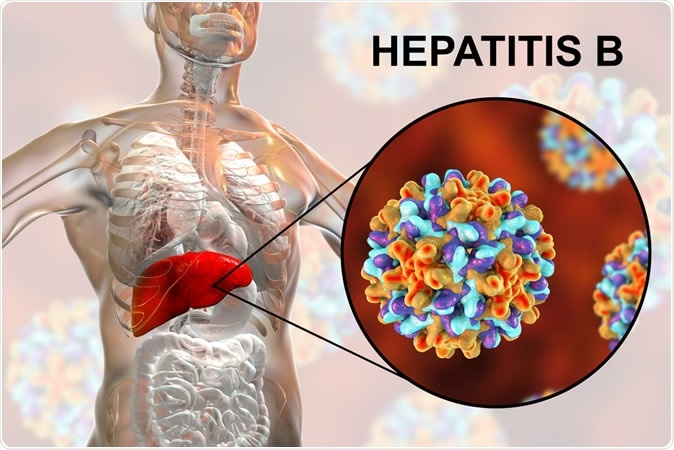
Hepatitis B is a liver disease caused by the Hepatitis B Virus (HBV). Infection can be short-term (acute) or long-term (chronic). One in two people with Hepatitis B do not know they are infected. HBV is highly contagious and spreads through contact with infected blood and body fluids. Vaccination is the best way to prevent […]
The Invisible Enemy: Chlamydia in Women and the Silent Threat of Infertility
Most of us tend to think that if there are no unusual symptoms, the body is perfectly healthy. However, the truth is that there is an invisible ‘enemy’ silently hiding in your body, capable of causing serious consequences, even infertility. That is Chlamydia, one of the most common sexually transmitted diseases (STDs) in women. Chlamydia […]
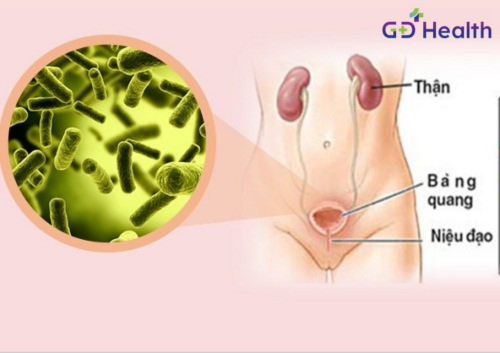
Urinary Tract Infection-UTI
Urinary Tract Infection (UTI), also known as urinary tract infection or urinary infection, is one of the most common infections globally, affecting millions each year worldwide, with a significant financial burden on society. The disease occurs when bacteria invade any part of the urinary system, including the kidneys, ureters, bladder, and urethra. Although usually treatable, […]
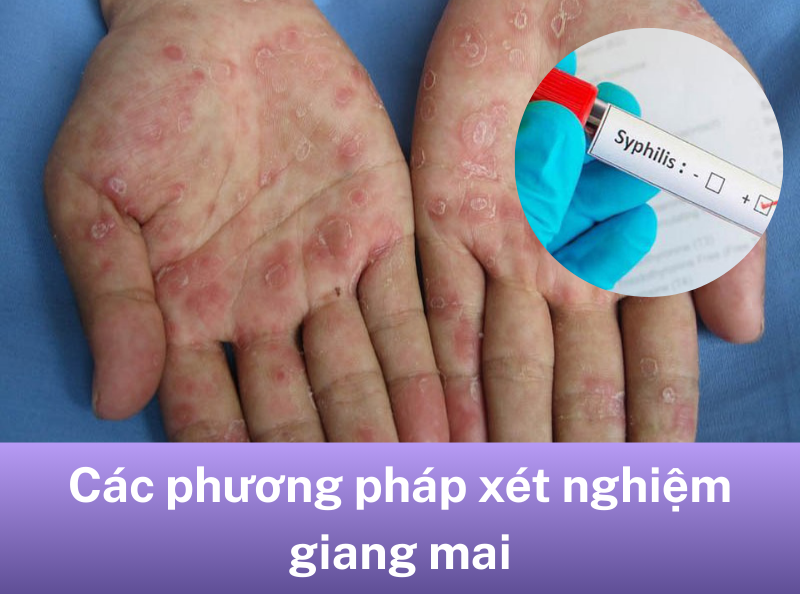
Syphilis Testing: Current Methods, Pros & Cons, and What You Need to Know
Syphilis is one of the common sexually transmitted infections (STIs) that can progress silently but leave serious consequences if not detected and treated promptly. Regular syphilis testing helps with early diagnosis, protecting your health and that of your partner. This article will help you understand the current syphilis testing methods, the pros and cons of […]

Persistent Sore Throat That Won’t Go Away? Do Not Ignore It – You Might Have Chlamydia!
Have you ever had a sore throat that dragged on for weeks, visiting multiple doctors without finding the cause? Even antibiotics didn’t help? It is very likely that the culprit is not the flu, a virus, or common bacteria – but a sexually transmitted infection called Chlamydia. Chlamydia doesn’t just “hide” in the genital area. […]
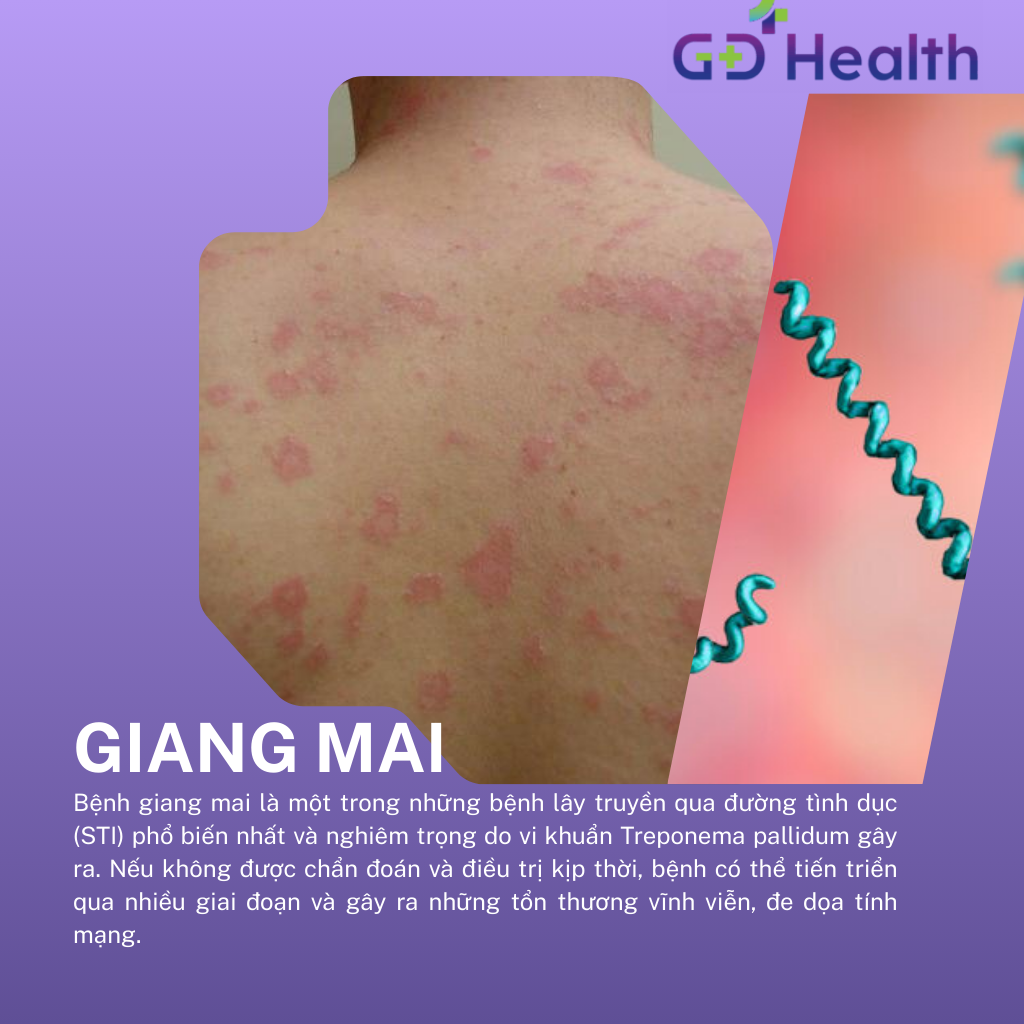
Syphilis Overview
Syphilis is one of the most common and serious Sexually Transmitted Infections (STIs), caused by the bacterium Treponema pallidum. If not diagnosed and treated promptly, the disease can progress through multiple stages, causing permanent damage and threatening life. 1. What is Syphilis?? Syphilis is an infection caused by the spirochete bacterium Treponema pallidum. The disease can […]

Chlamydia: A Comprehensive Overview
Chlamydia is one of the most common Sexually Transmitted Infections (STIs) worldwide, caused by the bacterium Chlamydia trachomatis. It is preventable and curable, spreading mainly through unprotected vaginal, oral, and anal sex. 1. What is Chlamydia? Chlamydia is a common sexually transmitted infection (STI) that can occur in both men and women, caused by the […]
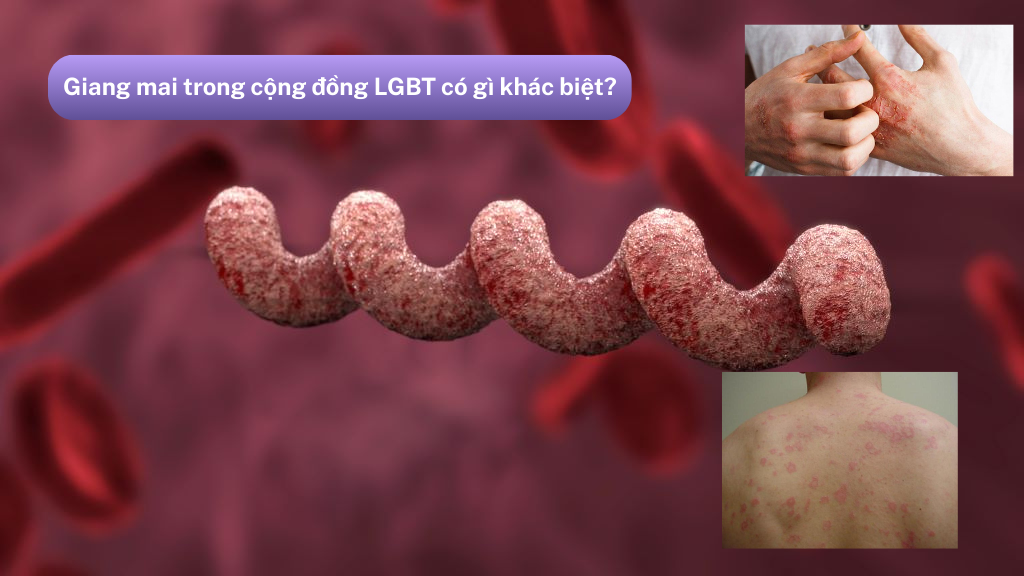
Syphilis in the LGBT Community: Are Signs, Symptoms, and Treatment Different?
1. Syphilis and the LGBT Community? Syphilis is a sexually transmitted infection (STI) caused by the bacterium Treponema pallidum. Although it affects all population groups, the rate of syphilis infection is higher in the LGBT community, especially among men who have sex with men (MSM), due to certain sexual behavioral characteristics and barriers to healthcare access. […]
Can Genital Warts Be Treated at Home?
1. What are Genital Warts? Genital warts, also called venereal warts or anogenital warts, are a common sexually transmitted infection (STIs) caused by the Human Papillomavirus (HPV). Although most HPV infections are clinically asymptomatic, HPV types 6 and 11 are responsible for about 90% of visible genital wart cases. It is important to note that other HPV types, […]