




Submit your info or message us on Zalo or Messenger
PEP: The 72-Hour Emergency Lifebuoy After HIV Exposure
Health bulletin
19/07/2025
PEP (Post-Exposure Prophylaxis) is an emergency measure using ARV medication to prevent HIV infection after a potential exposure. This article will help you understand what PEP is, when to use PEP, and how PEP differs from PrEP (Pre-Exposure Prophylaxis).
What is PEP?
PEP (Post-Exposure Prophylaxis) is the abbreviation for HIV Post-Exposure Prophylaxis. Simply put, PEP is the use of anti-HIV medication (ARV drugs) for a short period (usually 28 days) immediately after you have had a potential exposure to HIV. The goal of PEP is to stop the virus before it can replicate and cause a long-term infection in the body.
PEP is considered an emergency “lifebuoy” – used only in urgent situations when you have just encountered a high-risk exposure. It is crucial to start PEP as soon as possible after exposure, preferably within the first 24 hours. Post-exposure prophylaxis medication can still be effective if started later, but the maximum limit is 72 hours (3 days) after exposure. After 72 hours, the HIV virus may have penetrated deep and multiplied, so PEP is virtually ineffective.
Note that PEP is not a “magic cure” that guarantees 100% no HIV infection. The effectiveness of PEP is very high if used correctly and promptly, but rare cases of treatment failure still occur (usually due to starting too late or non-adherence to the full medication course). We will learn more details about the efficacy and mechanism of PEP in the following section. Additionally, PEP is not a substitute for regular HIV prevention measures. It is a last resort for an emergency situation, not intended for repeated use. If you have a high risk of HIV exposure on a regular basis (e.g., having sex with an infected partner without consistent condom use), discuss with a doctor about using PrEP (Pre-Exposure Prophylaxis) as a long-term proactive protection strategy instead of relying on PEP repeatedly.
How is PEP different from PrEP?
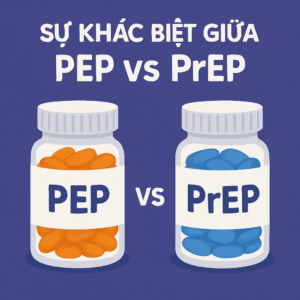
Many people easily confuse PEP and PrEP because their names are quite similar, but these are two completely different measures:
- PrEP (Pre-Exposure Prophylaxis) – pre-exposure prophylaxis: Is medication taken to prevent HIV before there is a risk. People at high risk (such as having an HIV-positive partner, men who have sex with men, injecting drug users…) can take PrEP daily or on a schedule to prevent HIV infection. PrEP is a long-term strategy to reduce risk, with an efficacy of up to ~99% for preventing sexual HIV transmission if taken consistently.
- PEP (Post-Exposure Prophylaxis) – post-exposure prophylaxis: Is the use of ARV medication after a risk has already occurred (e.g., after unsafe sex or an occupational accident). PEP is only used for a short 28-day course immediately after the incident, not continuously long-term.
The main difference is the timing and purpose of use: PrEP proactively prevents against all possible risks, while PEP is a reaction after the event has occurred. If PrEP is likened to wearing a life jacket before entering the water (for prevention), then PEP is like putting on a life jacket after you have fallen into the water – an emergency rescue measure.
Another difference: PEP is not recommended for frequent use. If a person repeatedly finds themselves in exposure situations (e.g., multiple instances of unprotected sex), continuous PEP use is not the optimal solution (it’s less effective and more prone to side effects). Instead, they should switch to using PrEP for regular protection. Conversely, a person using PrEP correctly usually does not need PEP if a risky situation occurs while they are taking PrEP.
When is PEP needed for HIV/AIDS prevention?
PEP is recommended for anyone who is HIV-negative (or whose status is unknown) if they have just experienced a high-risk exposure situation within 72 hours. Accurate risk assessment should be performed by a healthcare professional, but you can refer to the following common situations to know when you should immediately seek a medical facility for consultation:

(Source: Guidelines for HIV/AIDS Treatment and Care from the Ministry of Health)
-
- Unsafe sexual intercourse: Vaginal or anal sex without a condom or if the condom breaks or slips off. Especially if the partner is HIV-positive or their status is unknown. (Oral sex generally carries much lower risk, but if ejaculation occurs in the mouth and your mouth has open sores or bleeding gums, there is still a possibility of transmission and PEP should be considered).
- Sharing needles or injection equipment: If you share needles or syringes when injecting drugs or are accidentally stuck by a needle contaminated with another person’s blood. This is a very high-risk case.
- Sexual assault: If you are a victim of rape or coercion. In this situation, you need to go to the hospital immediately for comprehensive care (HIV prevention, other sexually transmitted diseases, as well as psychological support).
- Occupational accident with healthcare workers: For example, a doctor or nurse is accidentally stuck by a needle or if a patient’s blood/bodily fluid splashes into an open wound, the mucous membranes of the eyes, nose, or mouth during work. This case also needs to be assessed for early intervention and treatment.
- Conversely, very low-risk or no-risk situations do not require PEP. For example, contact with saliva, sweat, or tears of a person with “Acquired Immunodeficiency Syndrome” does not cause transmission (unless blood is present and you have an open wound). If sexual intercourse is protected with a condom used correctly and the condom does not break, you are also safe from the risk of infection. Additionally, as mentioned above, if the source of exposure is identified as an HIV-positive person who is on ARV treatment and has an undetectable viral load (U=U), they do not transmit the disease – this case also does not require PEP.
Notes for the treatment follow-up plan
- Monitor for ARV side effects: Do not stop treatment for mild and transient side effects. If severe side effects occur, go to a medical facility immediately.
- Receive advice and counseling from the doctor to stabilize psychologically.
- Re-test for HIV at 1 month and 3 months after exposure.
- Adhere to the doctor’s instructions regarding not donating blood, safe sexual intercourse and injection practices, and not breastfeeding until the HIV infection status is ruled out.
- Consult the doctor about transitioning to PrEP for cases with recurring risk factors, after completing the PEP course and testing HIV negative.
In summary: Consider PEP whenever you are concerned that you have just encountered a genuine risk of HIV transmission. In that situation, do not hesitate – go to a medical facility immediately for consultation. The doctor will assess whether you need PEP based on the level of risk. If needed, they will guide you through a rapid HIV test (to ensure you were not already infected beforehand) and prescribe PEP medication for you.
This article is written by Dr Đỗ Hữu Đạt. The doctor has many years of in-depth experience in reproductive and sexual health care.
Related news
Hepatitis C: Do Not Ignore It!
Hepatitis C is a liver inflammation caused by the Hepatitis C virus (HCV). You can contract the virus through contact with infected blood. Most people with HCV have no symptoms. Crucial Fact: There is currently no vaccine for Hepatitis C. The best prevention is avoiding high-risk behaviors. However, testing and treatment can prevent complications and […]
Hepatitis B: A Comprehensive Guide
Hepatitis B is a liver disease caused by the Hepatitis B Virus (HBV). Infection can be short-term (acute) or long-term (chronic). One in two people with Hepatitis B do not know they are infected. HBV is highly contagious and spreads through contact with infected blood and body fluids. Vaccination is the best way to prevent […]
The Invisible Enemy: Chlamydia in Women and the Silent Threat of Infertility
Most of us tend to think that if there are no unusual symptoms, the body is perfectly healthy. However, the truth is that there is an invisible ‘enemy’ silently hiding in your body, capable of causing serious consequences, even infertility. That is Chlamydia, one of the most common sexually transmitted diseases (STDs) in women. Chlamydia […]
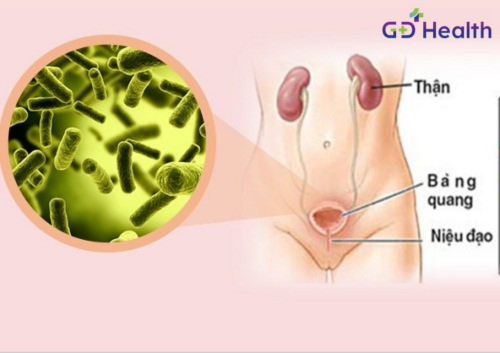
Urinary Tract Infection-UTI
Urinary Tract Infection (UTI), also known as urinary tract infection or urinary infection, is one of the most common infections globally, affecting millions each year worldwide, with a significant financial burden on society. The disease occurs when bacteria invade any part of the urinary system, including the kidneys, ureters, bladder, and urethra. Although usually treatable, […]
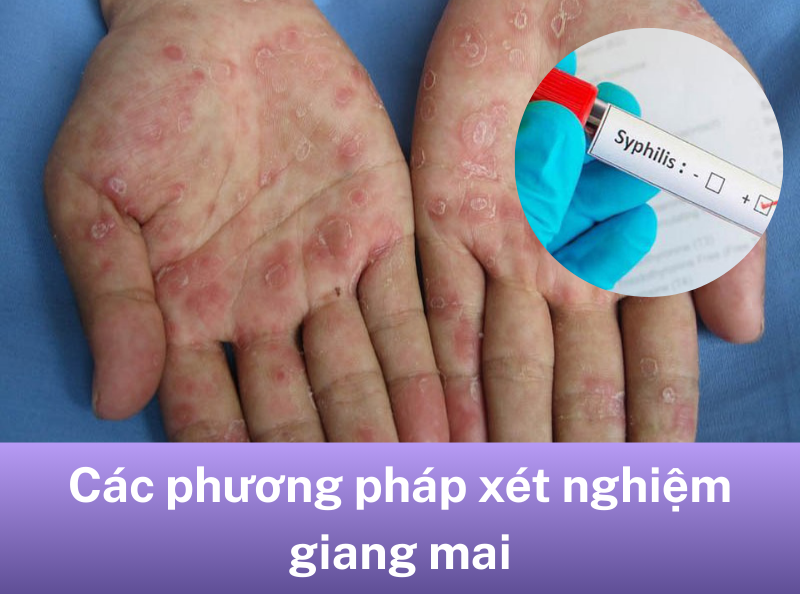
Syphilis Testing: Current Methods, Pros & Cons, and What You Need to Know
Syphilis is one of the common sexually transmitted infections (STIs) that can progress silently but leave serious consequences if not detected and treated promptly. Regular syphilis testing helps with early diagnosis, protecting your health and that of your partner. This article will help you understand the current syphilis testing methods, the pros and cons of […]

Persistent Sore Throat That Won’t Go Away? Do Not Ignore It – You Might Have Chlamydia!
Have you ever had a sore throat that dragged on for weeks, visiting multiple doctors without finding the cause? Even antibiotics didn’t help? It is very likely that the culprit is not the flu, a virus, or common bacteria – but a sexually transmitted infection called Chlamydia. Chlamydia doesn’t just “hide” in the genital area. […]
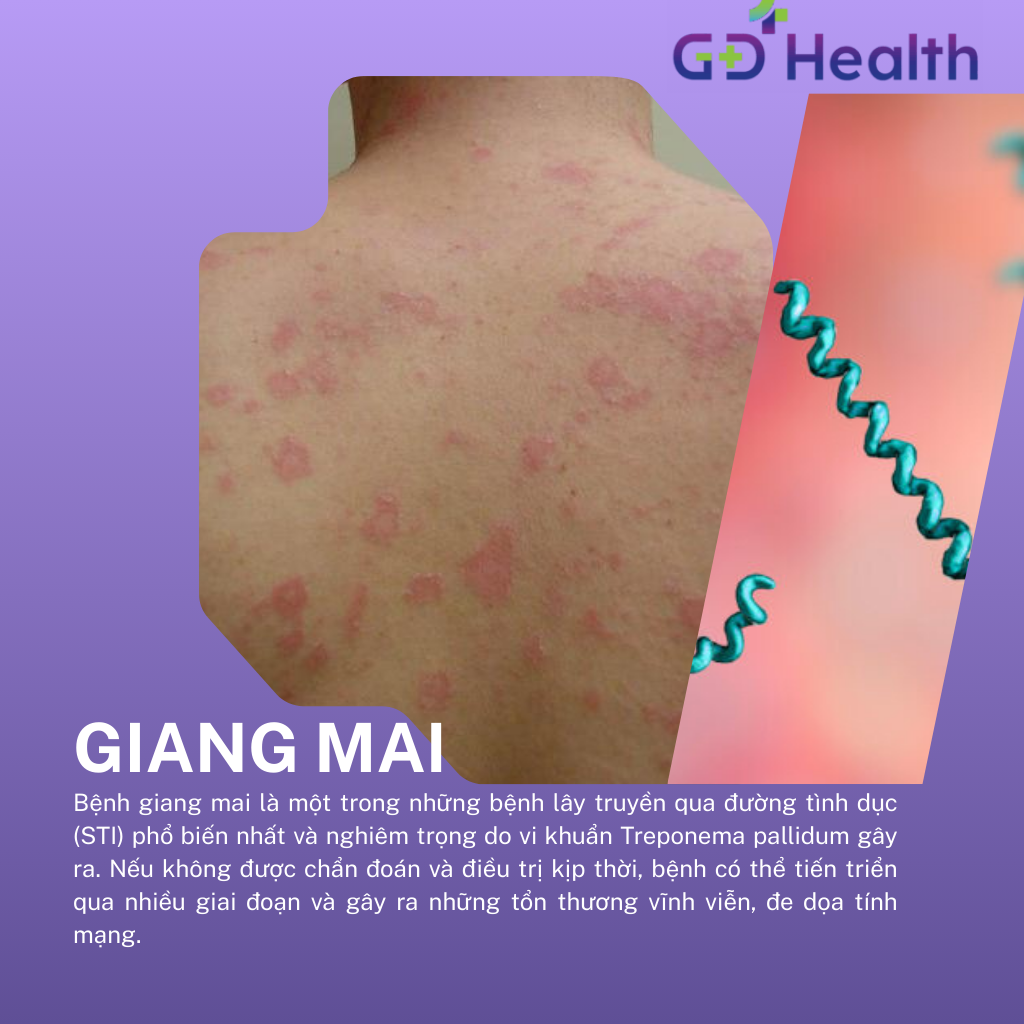
Syphilis Overview
Syphilis is one of the most common and serious Sexually Transmitted Infections (STIs), caused by the bacterium Treponema pallidum. If not diagnosed and treated promptly, the disease can progress through multiple stages, causing permanent damage and threatening life. 1. What is Syphilis?? Syphilis is an infection caused by the spirochete bacterium Treponema pallidum. The disease can […]

Chlamydia: A Comprehensive Overview
Chlamydia is one of the most common Sexually Transmitted Infections (STIs) worldwide, caused by the bacterium Chlamydia trachomatis. It is preventable and curable, spreading mainly through unprotected vaginal, oral, and anal sex. 1. What is Chlamydia? Chlamydia is a common sexually transmitted infection (STI) that can occur in both men and women, caused by the […]
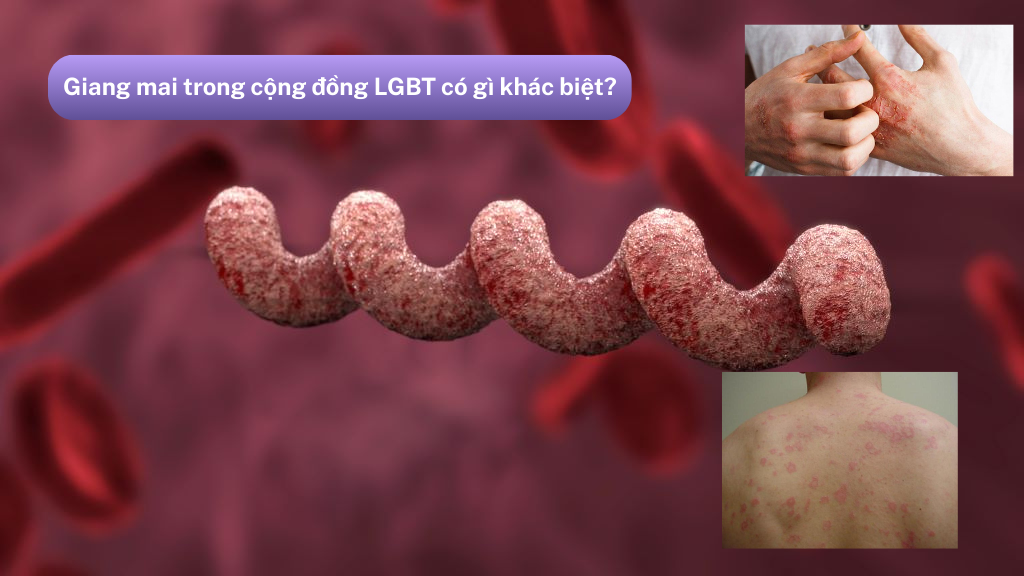
Syphilis in the LGBT Community: Are Signs, Symptoms, and Treatment Different?
1. Syphilis and the LGBT Community? Syphilis is a sexually transmitted infection (STI) caused by the bacterium Treponema pallidum. Although it affects all population groups, the rate of syphilis infection is higher in the LGBT community, especially among men who have sex with men (MSM), due to certain sexual behavioral characteristics and barriers to healthcare access. […]
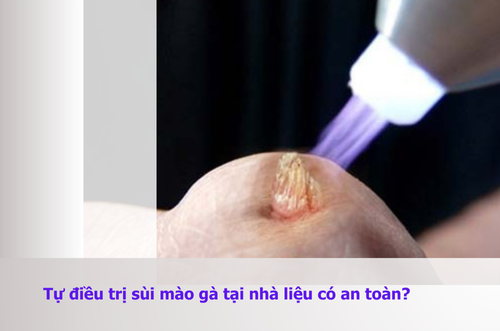
Can Genital Warts Be Treated at Home?
1. What are Genital Warts? Genital warts, also called venereal warts or anogenital warts, are a common sexually transmitted infection (STIs) caused by the Human Papillomavirus (HPV). Although most HPV infections are clinically asymptomatic, HPV types 6 and 11 are responsible for about 90% of visible genital wart cases. It is important to note that other HPV types, […]