




Submit your info or message us on Zalo or Messenger
PrEP and PEP: Understanding the Difference
Health bulletin
04/08/2025
PrEP (Pre-Exposure Prophylaxis) is a method of using antiviral medication before potential HIV exposure to reduce the risk of infection. WHO defines PrEP as “the use of anti-HIV medication by HIV-negative people to reduce the risk of HIV acquisition” [1]. Conversely, PEP (Post-Exposure Prophylaxis) is medication taken for 28 days after a potential HIV exposure situation, which must be started as soon as possible (ideally within 24 hours, a maximum of 72 hours post-exposure) [2]. PrEP is used as a long-term, ongoing preventative measure (usually daily or on-demand), whereas PEP is an emergency post-exposure intervention.

Who Should Use PrEP?
PrEP is intended for HIV-negative people who are at high risk of future HIV infection. Specifically, PrEP is recommended for individuals with the following factors [3]:
- Sexual Contact: Those who have had or plan to have unprotected sexual intercourse (anal or vaginal) within the last 6 months under the conditions of: having an HIV-positive partner or a partner with an uncontrolled viral load, inconsistent condom use, or a recent diagnosis of an STI (gonorrhea, syphilis, chlamydia) in the past 6 months.
- Injecting Drug Use: Those who have shared injection equipment with an HIV-positive person or have an HIV-positive partner, and are currently injecting drugs.
- Repeated PEP Use: If you have previously needed PEP (completed the 28-day course) and continue to engage in high-risk behavior, you should transition to PrEP for proactive prevention.
- Desire for PrEP: Individuals at risk who do not meet the above conditions may also voluntarily choose to use PrEP for self-protection.
WHO emphasizes that “people at high risk” should be offered PrEP. In the U.S., the CDC recommends: daily oral PrEP (F/TDF) for all individuals at risk of sexual or injection drug use transmission.
Available Forms of PrEP
There are three main forms of PrEP currently recommended by WHO and CDC:
- Daily Oral PrEP: Tablet form combining Tenofovir Disoproxil Fumarate/Emtricitabine (TDF/FTC, branded as Truvada) or Tenofovir Alafenamide/Emtricitabine (TAF/FTC, branded as Descovy). This is the classic form, taken as 1 pill every day.
- Advantages: Easily accessible, highly effective (when adherence is ≥ 99% for preventing sexual HIV transmission) [1].
- Disadvantages: Must remember to take it daily; missed doses can reduce effectiveness.
- Notes: F/TDF is used for all; F/TAF is not recommended (and not sufficiently studied) for women engaging in vaginal intercourse (because TAF concentration is poor in vaginal tissue) [1]. To ensure kidney safety, F/TDF is only used when Glomerular Filtration Rate (eGFR) is >60 mL/min, and F/TAF when it is ≥30 mL/min.
- On-Demand PrEP (2-1-1 regimen): Only applicable for men who have sex with men (MSM) when the frequency of sexual contact is low and can be anticipated. The dosage follows the 2-1-1 protocol: take 2 pills (Truvada) 2–24 hours before sex, followed by 1 pill 24 hours after the first dose, and another 1 pill 24 hours after that.
- Advantages: No need for daily dosing, conserves medication if sexual contact is infrequent.
- Disadvantages: Not effective for vaginal intercourse (no data in women), complicated to follow (easy to miss doses), the CDC recommends this as an “off-label” indication and only for MSM who meet strict criteria. WHO and many international organizations still consider 2-1-1 an alternative for MSM.
- Long-Acting Injectable PrEP (CAB-LA): Intramuscular injection of Cabotegravir (CAB-LA, branded as Apretude) 600 mg. First, an initial loading dose is injected, followed by a second dose 1 month later, and then one injection every 2 months continuously. (Oral cabotegravir 30 mg tablets can be taken daily for 1 month before injection to check drug tolerance).
- Advantages: Efficacy >99% with periodic adherence. No need to remember daily pills, suitable for individuals with poor adherence to oral medication or who prefer periodic injections.
- Disadvantages: High cost, requires regular clinic visits (every 8 weeks) for injection maintenance – long delays can lead to loss of preventative efficacy. Injection site reactions (pain, swelling) are common but mild and temporary. Limited data exists on CAB-LA use during pregnancy, but it may be considered when necessary (per CDC). WHO recommends CAB-LA as an “additional” option for people at high risk.
Additionally, WHO has expanded prevention options with the dapivirine vaginal ring (for women) and is expected to add six-monthly lenacapavir injection (proposed for 2025), but the three forms above are currently prioritized for the target community.
Medical Examination and Testing Before Starting PrEP
Before starting PrEP, it must be ensured that the user is not currently infected with HIV and screened for other conditions as follows:
- HIV Test: Must ensure an HIV-negative test result before taking PrEP. WHO encourages the use of HIV Ag/Ab testing or highly sensitive rapid tests. (The CDC recommends combined Ag/Ab testing and confirmation with HIV-1 RNA if acute infection is suspected.)
- Sexually Transmitted Infections (STIs) Test: Testing for chlamydia, gonorrhea, and syphilis is mandatory for everyone about to start PrEP. STI results can guide prevention counseling.
- Kidney Function: Assess Glomerular Filtration Rate (eGFR) using serum creatinine testing and the Cockcroft-Gault formula. TDF/FTC (Truvada) should only be used if eCrCl >60 mL/min, and TAF/FTC (Descovy) if ≥30 mL/min. If kidney function is abnormal, careful consideration or switching to CAB-LA (which does not require kidney testing) is needed.
- Hepatitis B Antigen: All people considered for PrEP must be tested for Hepatitis B (HBsAg, anti-HBc). F/FTC drugs have anti-HBV activity, so a note of caution is needed: if HBV positive, stopping PrEP may cause an HBV flare-up. A doctor will provide counseling and monitor liver enzymes if the medication is stopped.
- Other: Hepatitis C testing if risk factors are present; pregnancy test for individuals capable of becoming pregnant; complete blood count, liver function test if additional monitoring is needed.
After obtaining an HIV-negative test result and suitability (kidney, liver, HBV status), the user can initiate PrEP.
Monitoring and Routine Testing While on PrEP
While on PrEP, WHO and CDC recommend routine monitoring to ensure safety and disease prevention efficacy. A typical schedule (which can be flexible) includes:
- Every 3 Months: HIV Ag/Ab test (possibly with RNA if suspected) to confirm HIV-negative status. This is the time for medication refill (per CDC, refilling should not exceed 90 days at a time). Also, assess for symptoms suggestive of acute infection (fever, sore throat, rash, diarrhea). Provide counseling on medication adherence, condom use, and encourage routine STI testing (especially for MSM with multiple partners).
- Every 6 Months: Check kidney function (especially for individuals aged ≥50 or with low baseline creatinine); if stable, the frequency can be reduced. STI testing (vaginal/oral/rectal swab) for those at risk, even if asymptomatic (e.g., MSM with a history of STIs). Monitor liver enzymes if needed (if HBV positive). Evaluate the need for continued PrEP.
- Every 12 Months: All patients on long-term PrEP should have their kidney function tested again; for TAF users, check lipid profile and body weight. Continue routine STI testing (e.g., chlamydia for women engaging in vaginal intercourse).
For CAB-LA Injectable PrEP: An HIV test is done before each injection (after 1 month, then every 2 months) and the injection site is monitored. After 3-4 stable injections, the frequency of STI testing may be reduced (e.g., Eswatini provides self-testing kits for HIV and reduces the number of clinic visits to 2-4 times/year). WHO 2024 has recommended allowing home HIV self-testing to increase PrEP access. Many countries have adopted TelePrEP models: providing HIVST for patients to self-test every 3 months when a refill is needed. In this model, after a negative test result, a doctor can prescribe an additional 3–6 months of medication without the need for frequent clinic visits.
How to Use PrEP and Managing Missed Doses
Daily Oral PrEP: Take 1 pill at a fixed time every day (F/TDF or F/TAF). How to take: can be taken with or without food (but should be taken at the same time). If a dose is missed, take it as soon as you remember (unless it is nearly time for the next dose): “Take the missed dose as soon as possible; if it is almost time for the next dose, skip it, do not take two doses at the same time.” Do not double the dose. The CDC recommends against doubling the dose to compensate. Occasionally missing a few doses can still provide good protection if the medication is taken consistently most of the time, but if many doses are missed, consult a doctor to improve adherence.
On-Demand PrEP (2-1-1): For each instance of sexual intercourse, the user takes 2 pills of TDF/FTC 2–24 hours before sex (ideally ≥2 hours), followed by 1 pill 24 hours later and another 1 pill 48 hours after the first dose. If the sexual rhythm is longer than 2 days, continue taking 1 pill daily. If a dose before sex is missed, take it as soon as possible and try to maintain the subsequent doses for protection. This regimen is quite complex, so planning and seeking medical advice are needed if confused.
CAB-LA Injectable PrEP: Patients need to visit a healthcare facility for injections on schedule. If an injection appointment is missed, contact the doctor immediately to reschedule (the CDC recommends, “if an injection is delayed, discuss with your doctor to reschedule the injection immediately”). Do not stop or postpone the injection arbitrarily for long, as it may reduce efficacy. Doctors may consider temporary oral PrEP (F/TDF) if a prolonged injection delay occurs unexpectedly.
Side Effects of PrEP
PrEP is generally safe and well-tolerated. Some people may experience mild side effects, usually appearing in the first month and subsiding on their own. Common side effects include:
- Abdominal pain, nausea, diarrhea, bloating – usually mild and transient; medication should be taken with food, drink plenty of water, or use anti-nausea medication if necessary.
- Headache, fatigue – usually subsides after a few weeks of use.
- With F/TDF: may cause a slight increase in serum creatinine (mild reduction in kidney function); these changes are usually minor, return to normal after stopping the medication, and rarely pose serious clinical issues. Very few cases of acute kidney failure or Fanconi syndrome (severe kidney dysfunction complication) have been reported. As a precaution, users must undergo routine kidney testing.
- With F/TAF: less impact on kidneys than TDF, but may cause an increase in blood lipids or slight weight gain.
- With CAB-LA injection: common reactions include pain, swelling, or redness at the injection site, but most are mild or moderate and short-lived. Other flu-like symptoms (headache, fatigue) can occur but are rare.
General Management: Most mild side effects resolve on their own after a few weeks of use. Patients can consult a doctor for guidance on supportive medication (anti-nausea, anti-diarrhea) or lifestyle advice (drink plenty of water, eat bland foods)… If side effects become severe or prolonged, the doctor will consider switching to a different medication form (e.g., switching from TDF to TAF) or temporarily stopping the medication for evaluation. It is important to maintain communication with healthcare providers and share any unusual symptoms for timely management.
Switching from PEP to PrEP
If you are finishing a course of PEP (have taken the full 28 days) and still have a high risk of HIV exposure, you should discuss transitioning to PrEP with your doctor. In reality, if a person has needed PEP multiple times, it indicates the risk remains; PrEP will help with more proactive prevention. Specifically: after completing PEP and testing negative, the patient can start PrEP immediately (and even continue for an additional 7 days if required by the situation). In general, “if you are taking PEP and think you might need continued protection, discuss with your doctor about switching to PrEP when the course is finished.” This provides continuous protection and avoids repeated PEP use.
Key Messages
Proactive Prevention – Protect Yourself and the Community: PrEP is an effective tool that helps you take control of your health. Using PrEP demonstrates responsibility towards yourself and your sexual partners, helping to significantly reduce the risk of HIV infection.
Reducing Stigma: PrEP is a scientific prevention measure, not a sign of “craziness” or “immorality.” We need to eliminate prejudice against PrEP users. Engage in open communication and support each other in accessing accurate information, avoiding unwarranted stigma.
Equal Access: Everyone—including LGBT individuals, transgender people, sex workers, etc.—has the right to access PrEP as part of their healthcare right. International guidelines affirm that PrEP should be widely available without discrimination based on gender, orientation, or profession.
PrEP is a crucial proactive prevention solution in the fight against HIV. Providing complete information, routine testing, accurate counseling, and removing all barriers to stigma or difficulty in accessing medication are essential for the community to benefit from this medical technology.
This article is written by Dr Đỗ Hữu Đạt. The doctor has many years of in-depth experience in reproductive and sexual health care.
Reference
[1]. World Health Organization. Updated recommendations on oral PrEP of HIV infection: bringing precision to delivery. Geneva: WHO; 2022.
[2]. World Health Organization. WHO Implementation Tool for Pre-exposure Prophylaxis (PrEP) of HIV Infection. Module 1: Clinical guidance. 2nd ed. Geneva: WHO; 2024.
[3]. Centers for Disease Control and Prevention. Preexposure prophylaxis for the prevention of HIV infection in the United States—2021 update: a clinical practice guideline. Atlanta (GA): CDC; 2021.
[4]. Centers for Disease Control and Prevention. What is oral HIV PrEP? Clinicians’ Quick Guide. Atlanta (GA): CDC; 2022.
[5]. Centers for Disease Control and Prevention. What is injectable HIV PrEP? Clinicians’ Quick Guide. Atlanta (GA): CDC; 2022.
[6]. Centers for Disease Control and Prevention. Now’s the time to find out about PrEP and PEP. Let’s Stop HIV Together patient brochure. Atlanta (GA): CDC; 2022.
[7]. Centers for Disease Control and Prevention. PEP for HIV prevention: FAQs for providers. Atlanta (GA): CDC; 2016.
[8]. Centers for Disease Control and Prevention. Discussing sexual health with your patients. Clinicians’ Quick Guide. Atlanta (GA): CDC; 2022.
[9]. Centers for Disease Control and Prevention. PrEP guideline summary: HIV Together campaign. Atlanta (GA): CDC; 2023.
Related news
Hepatitis C: Do Not Ignore It!
Hepatitis C is a liver inflammation caused by the Hepatitis C virus (HCV). You can contract the virus through contact with infected blood. Most people with HCV have no symptoms. Crucial Fact: There is currently no vaccine for Hepatitis C. The best prevention is avoiding high-risk behaviors. However, testing and treatment can prevent complications and […]
Hepatitis B: A Comprehensive Guide
Hepatitis B is a liver disease caused by the Hepatitis B Virus (HBV). Infection can be short-term (acute) or long-term (chronic). One in two people with Hepatitis B do not know they are infected. HBV is highly contagious and spreads through contact with infected blood and body fluids. Vaccination is the best way to prevent […]
The Invisible Enemy: Chlamydia in Women and the Silent Threat of Infertility
Most of us tend to think that if there are no unusual symptoms, the body is perfectly healthy. However, the truth is that there is an invisible ‘enemy’ silently hiding in your body, capable of causing serious consequences, even infertility. That is Chlamydia, one of the most common sexually transmitted diseases (STDs) in women. Chlamydia […]
Urinary Tract Infection-UTI
Urinary Tract Infection (UTI), also known as urinary tract infection or urinary infection, is one of the most common infections globally, affecting millions each year worldwide, with a significant financial burden on society. The disease occurs when bacteria invade any part of the urinary system, including the kidneys, ureters, bladder, and urethra. Although usually treatable, […]
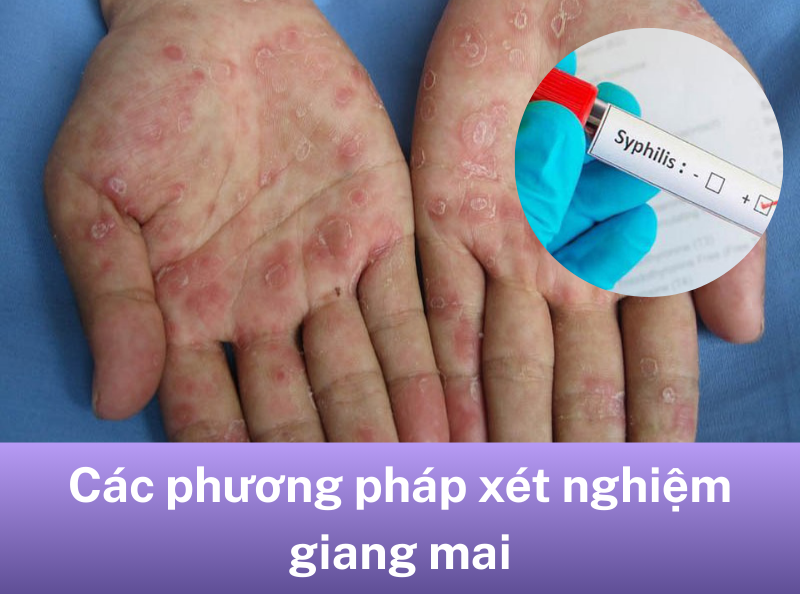
Syphilis Testing: Current Methods, Pros & Cons, and What You Need to Know
Syphilis is one of the common sexually transmitted infections (STIs) that can progress silently but leave serious consequences if not detected and treated promptly. Regular syphilis testing helps with early diagnosis, protecting your health and that of your partner. This article will help you understand the current syphilis testing methods, the pros and cons of […]

Persistent Sore Throat That Won’t Go Away? Do Not Ignore It – You Might Have Chlamydia!
Have you ever had a sore throat that dragged on for weeks, visiting multiple doctors without finding the cause? Even antibiotics didn’t help? It is very likely that the culprit is not the flu, a virus, or common bacteria – but a sexually transmitted infection called Chlamydia. Chlamydia doesn’t just “hide” in the genital area. […]

Syphilis Overview
Syphilis is one of the most common and serious Sexually Transmitted Infections (STIs), caused by the bacterium Treponema pallidum. If not diagnosed and treated promptly, the disease can progress through multiple stages, causing permanent damage and threatening life. 1. What is Syphilis?? Syphilis is an infection caused by the spirochete bacterium Treponema pallidum. The disease can […]

Chlamydia: A Comprehensive Overview
Chlamydia is one of the most common Sexually Transmitted Infections (STIs) worldwide, caused by the bacterium Chlamydia trachomatis. It is preventable and curable, spreading mainly through unprotected vaginal, oral, and anal sex. 1. What is Chlamydia? Chlamydia is a common sexually transmitted infection (STI) that can occur in both men and women, caused by the […]
Syphilis in the LGBT Community: Are Signs, Symptoms, and Treatment Different?
1. Syphilis and the LGBT Community? Syphilis is a sexually transmitted infection (STI) caused by the bacterium Treponema pallidum. Although it affects all population groups, the rate of syphilis infection is higher in the LGBT community, especially among men who have sex with men (MSM), due to certain sexual behavioral characteristics and barriers to healthcare access. […]
Can Genital Warts Be Treated at Home?
1. What are Genital Warts? Genital warts, also called venereal warts or anogenital warts, are a common sexually transmitted infection (STIs) caused by the Human Papillomavirus (HPV). Although most HPV infections are clinically asymptomatic, HPV types 6 and 11 are responsible for about 90% of visible genital wart cases. It is important to note that other HPV types, […]