




Submit your info or message us on Zalo or Messenger
Bacterial Vaginosis (BV): Understanding to Protect Women’s Intimate Health
Health bulletin
13/08/2025
1. Why Should You Care About Bacterial Vaginosis (BV)?
Bacterial Vaginosis (BV) is a common vaginal infection. It is the leading cause of abnormal vaginal discharge globally in women. This condition affects many women in their reproductive age (15-44 years). Pregnant women also have a high risk of developing BV. BV is not a traditional sexually transmitted infection (STI). However, BV is related to sexual activity, especially with new or multiple partners. Awareness of BV is necessary due to the potential consequences if left untreated. BV affects women’s quality of life. Uncomfortable symptoms include abnormal discharge and odor. If not intervened, BV increases the risk of contracting other sexually transmitted infections (STIs). STIs include HIV, Chlamydia, Gonorrhea, HPV, Genital Herpes type 2 (HSV-2). People with HIV who have BV may increase the transmission of the virus to their partners. Pregnant women who do not treat BV may experience serious complications. Complications include preterm birth (before 37 weeks), premature rupture of membranes, or having a low birth weight baby (under 2.5 kg). BV can also cause Pelvic Inflammatory Disease (PID). This is a serious infection of the upper reproductive organs. PID affects fertility, increasing the risk of ectopic pregnancy. BV is common, and its consequences are serious if left untreated. This is not only a personal health issue. BV is also a significant challenge to public health. Raising awareness through effective communication helps with early diagnosis and treatment. This minimizes complications and related healthcare burdens. BV is not a traditional sexually transmitted disease. However, the link with sexual activity and the potential to increase the risk of other STIs shows that managing BV is an essential part of maintaining comprehensive reproductive and sexual health. This helps the reader understand that intimate health care is not just about solving local infections. It relates to the bigger picture of overall health.
2. What is Bacterial Vaginosis (BV)?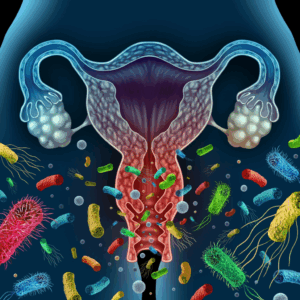
Bacterial Vaginosis (BV) is a condition where the natural balance of bacteria in the vagina is disrupted. Normally, the vagina contains many Lactobacillus “beneficial bacteria.” They produce hydrogen peroxide and lactic acid, maintaining a healthy acidic environment. In BV, the number of beneficial bacteria significantly decreases. The number of anaerobic “harmful bacteria” increases uncontrollably. The harmful bacteria include G. vaginalis, Prevotella, Mobiluncus, and A. vaginae. Another characteristic of BV is the formation of a polymicrobial biofilm on the vaginal epithelial cells. BV is not a classic sexually transmitted infection (STI). Patients do not contract BV from toilets, bed sheets, or swimming pools. However, BV is related to sexual activity. Some sexual factors can increase the risk of contracting BV. This distinction helps reduce the stigma associated with STIs. At the same time, it emphasizes the importance of safe sex. Understanding the definition of BV, especially the bacterial imbalance and the role of Lactobacillus, is crucial. This highlights the importance of a healthy vaginal microbiome. A balanced microbiome, with Lactobacillus predominating, is a natural protective barrier. Any factor that disrupts this balance leads to BV. This message explains the nature of BV. It also educates the reader about the importance of maintaining vaginal bacterial balance. This is part of comprehensive intimate health care.
3. Signs to Recognize Bacterial Vaginosis (BV)
Recognizing the signs of BV helps seek timely medical care. Common symptoms of BV include:
- Discharge (Khí hư): Increased discharge, opaque white or gray. The discharge is thin, homogeneous, and may coat the vaginal walls evenly.
- Odor (Mùi): A characteristic fishy odor. This odor is more pronounced after sexual intercourse or cleansing the intimate area.
- Discomfort (Khó chịu): Some women may experience stinging or a burning sensation when urinating. There may be mild itching in or around the intimate area.
However, many women with BV have no symptoms. An estimated 50% of people with BV do not show clear signs. This large proportion creates a challenge for early detection and treatment. Many cases may not be found until more serious complications occur. This emphasizes the importance of regular health check-ups. Especially for those with risk factors or concerns about intimate health. Proactivity in healthcare is a key factor. To help readers easily identify the signs, Table 1 summarizes the common symptoms of BV:
Table 1: Common Signs to Recognize Bacterial Vaginosis (BV)
| Sign | Description |
|---|---|
| Discharge | Opaque white or gray, thin, homogeneous, profuse. |
| Odor | Fishy odor, often more noticeable after sexual intercourse or after cleansing. |
| Discomfort | May feel stinging when urinating, mild itching in the vagina or around the intimate area. |
| Important Note | Many people with BV have no symptoms (up to 50% of cases). Frequent vaginal douching increases the risk of vaginal infection. |
4. Causes and Risk Factors for Bacterial Vaginosis (BV)
BV occurs due to an imbalance of vaginal bacteria. The exact cause is still not fully understood. However, many risk factors have been identified. They can increase the likelihood of developing BV:
- Frequent Vaginal Douching (Thụt rửa âm đạo thường xuyên): This is a leading risk factor. Douching disrupts the natural bacterial balance. It removes protective beneficial bacteria, creating conditions for harmful bacteria to grow.
- Unsafe Sexual Intercourse (Quan hệ tình dục không an toàn): Having new partners, multiple partners, or sex without a condom all increase the risk of BV. This explains why BV rarely affects women who have never had sexual intercourse.
- Prolonged Antibiotic Use (Sử dụng thuốc kháng sinh kéo dài): Antibiotics can change the natural bacterial system. This includes the vagina, leading to imbalance.
- Use of an Intrauterine Device (IUD) (Sử dụng dụng cụ tử cung – IUD): IUDs, especially copper IUDs, can increase the risk of contracting and relapsing BV.
- Hormonal Changes (Thay đổi nội tiết tố): Hormonal changes, for example during menstruation, also increase the incidence of BV.
- Other Factors (Các yếu tố khác): HSV-2 infection (Genital Herpes type 2) is also associated with BV. Improper hygiene is also a factor to note.

BV is not transmitted from toilets, bed sheets, or swimming pools. Clarifying what does not cause BV helps eliminate common misunderstandings. It focuses on the actual risk factors. Many risk factors, such as vaginal douching and unsafe sexual intercourse, are adjustable behaviors. Highlighting these factors provides practical information. You can proactively mitigate the risk of contracting BV. This conveys a message about self-care, providing specific action steps. Although clear risk factors exist, researchers still do not fully understand the complete cause leading to Bacterial Vaginosis. It is unknown whether BV is caused by a single sexually transmitted pathogen or not. This shows that BV is not a simple disease with a single cause. It is a complex condition involving many interacting factors, both behavioral and physiological. Conveying this complexity simply helps readers understand that a specific cause cannot always be determined. But managing known risk factors is still most important for prevention.
5. When to See a Doctor?
Seeking timely medical care is very important when BV is suspected. Especially because BV does not always resolve on its own. Potential complications are also a reason. Patients should see a doctor when they have the following signs:
- When there is abnormal discharge or intimate discomfort (Khi có khí hư bất thường hoặc khó chịu vùng kín): If you notice a change in discharge (color, amount, consistency), have a foul odor (especially a fishy smell), itching, burning, or intimate discomfort, you should see a doctor. BV sometimes resolves on its own without treatment. However, examination and treatment are important if symptoms are present. This prevents potential complications.
- When BV recurs repeatedly (Khi BV tái phát nhiều lần): BV recurrence is quite common. Over 50% of women relapse within 3-12 months after treatment. If BV recurs repeatedly, you need to see a doctor for consultation. Seek a more effective management or maintenance treatment method.
- When pregnant and suspecting BV (Khi đang mang thai và nghi ngờ BV): Treating BV is especially important for pregnant women with BV symptoms. BV during pregnancy can lead to serious complications. Complications include preterm birth, premature rupture of membranes, or a low birth weight baby. Therefore, if you are pregnant and suspect BV, see a doctor immediately.
BV sometimes resolves on its own. But serious potential complications like increased risk of STIs, pregnancy complications, and the high recurrence rate make seeing a doctor extremely important. This encourages patients not to be complacent, self-diagnose, or self-treat. Instead, they should seek professional support to ensure accurate diagnosis and appropriate treatment. This avoids long-term consequences. Treatment guidelines recommend that all women with BV should be tested for HIV and other STIs. This shows that BV is not just a single health issue. It is also a sign or risk factor for larger sexual health problems. This conveys the message of raising awareness about the importance of comprehensive screening when BV is present. It helps with early detection and management of related health conditions.
6. How to Treat Bacterial Vaginosis (BV)
Currently, prescription antibiotics are the only effective treatment method for BV. The treatment goal is to restore the normal bacterial balance in the vagina. Widely recommended treatment regimens include:
- Metronidazole: Oral form (e.g., 500 mg twice/day for 7 days or 400 mg twice/day for 7 days). Or vaginal gel form (0.75% gel, 5g once/day for 5 days).
- Clindamycin: Vaginal cream form (2% cream, 5g once/day in the evening for 7 days). Or oral form (300 mg twice/day for 7 days).
- Other Alternative Options: Doctors may consider other medications depending on the patient’s condition. For example: Secnidazole (2g single oral dose) or Tinidazole (2g once/day for 2 days or 1g once/day for 5 days).
Table 2: Common Treatment Methods for Bacterial Vaginosis (BV)
| Type of Drug | Typical Form & Dosage | Important Notes |
|---|---|---|
| Metronidazole | Oral: 500 mg x 2 times/day x 7 days OR 400 mg x 2 times/day x 7 days. Vaginal gel: 0.75% gel, 5g x 1 time/day x 5 days. | – Adhere to the full course of treatment. – No need to abstain from alcohol. |
| Clindamycin | Vaginal cream: 2% cream, 5g x 1 time/day in the evening x 7 days. Oral: 300 mg x 2 times/day x 7 days. | – Adhere to the full course of treatment. – Cream/ovules may weaken latex condoms for 72 hours after use. |
| Secnidazole | Oral: 2g single dose. | – Take with soft food (applesauce, yogurt). |
| Tinidazole | Oral: 2g x 1 time/day x 2 days OR 1g x 1 time/day x 5 days. | – Avoid use during pregnancy due to limited data. |
Important notes when treating BV:
- Strict Adherence to the Full Course (Tuân thủ đầy đủ liệu trình): Taking or using all prescribed medication is extremely important. Even if symptoms disappear. Stopping medication early can cause BV to recur and reduce effectiveness. Treatment adherence is a key factor. It helps cure BV, achieves optimal effectiveness, and reduces the risk of recurrence.
- Avoid Vaginal Douching (Tránh thụt rửa âm đạo): Do not douche during treatment. This can increase the risk of recurrence.
- Abstain from Sex or Use Condoms (Kiêng quan hệ tình dục hoặc sử dụng bao cao su): Abstain from sex. Or use condoms consistently and correctly throughout BV treatment.
- Interaction with Condoms (Tương tác với bao cao su): Oil-based Clindamycin cream or vaginal ovules. They can weaken latex condoms or diaphragms for 72 hours after use. Users should consult the product label.
- Regarding Alcohol and Metronidazole (Về rượu và Metronidazole): Current research does not provide convincing evidence of a disulfiram-like interaction with alcohol when using Metronidazole. Therefore, abstaining from alcohol when using Metronidazole (or Tinidazole) is not necessary.
- Do Not Self-Purchase Medication (Không tự ý mua thuốc): Absolutely do not self-purchase medication or use drugs from unknown sources. This may be ineffective, cause side effects, or complicate the disease.
Treatment for Pregnant Women (Điều trị cho phụ nữ mang thai): Treatment is recommended for all pregnant women with symptomatic BV. This is due to the association with adverse pregnancy outcomes. Both oral or vaginal Metronidazole and Clindamycin are safe and effective during pregnancy. BV treatment requires prescription antibiotics. There are various regimens, along with important notes on drug interactions and behavior during treatment. Therefore, consultation with a doctor or specialist during treatment is incredibly important. The doctor will accurately diagnose, prescribe appropriate medication, and provide specific instructions. Especially for pregnant women or those with a history of recurrence, using inappropriate medication during pregnancy can affect the fetus. This means self-treatment will not be safe, not effective, and may even worsen the initial condition.
7. Is Partner Treatment Necessary?
The question of partner treatment for BV is complex. Medical recommendations based on new scientific evidence are evolving.
For Male Partners (Đối với bạn tình nam): Current guidelines from the U.S. CDC do not recommend routine treatment for male partners. Previous clinical trial data showed that treating male partners did not affect the treatment outcome for women. It also did not affect their likelihood of BV recurrence. However, medicine is constantly evolving. Some recent studies provide new evidence. For example, a randomized controlled trial at MSHC. It indicated that simultaneous treatment of male partners (oral antibiotics and topical cream) along with the female partner being treated for BV. This significantly improved the cure rate in women within 12 weeks. Especially for recurrent BV cases. Following this positive result, MSHC is now implementing simultaneous treatment for male-female couples. This change demonstrates the dynamic nature of medicine. It also shows the importance of updating knowledge based on new evidence.
For Female Same-Sex Partners (WSW) (Đối với bạn tình đồng giới nữ – WSW): Research shows a high concordance of BV between female partners. If one person in the couple has BV, the likelihood of the other person contracting it is quite high. There are no specialized clinical trials evaluating the effectiveness of treating female partners to prevent BV recurrence. However, testing and treating BV for both partners should be done. This prevents cross-infection and reduces the risk of recurrence in female same-sex relationships. The discussion about partner treatment, especially female same-sex partners, and the presence of BV-related bacteria in men shows that BV can be transmissible and it affects both sexes, or is related to the microbial system of both partners. This broadens the perspective on BV. It moves beyond the framework of a “woman’s disease.” It encourages a more comprehensive approach to sexual health management.
8. How to Prevent Recurrent Bacterial Vaginosis
Preventing BV recurrence is important for long-term intimate health management. Scientists and doctors still do not fully understand how BV spreads. There is no known best prevention method. However, there are some basic measures to help reduce the risk of developing and relapsing BV:
- Do Not Douche (Không thụt rửa âm đạo): This is the most important preventive measure. Douching changes the natural bacterial balance. It removes protective beneficial bacteria, increasing the risk of BV.
- Safe Sexual Intercourse (Quan hệ tình dục an toàn): Limit the number of partners. Use condoms correctly and faithfully. This helps reduce the risk of contracting BV.
- Maintain Proper Intimate Hygiene (Giữ vệ sinh vùng kín đúng cách): Washing the external genital area daily with a mild soap is sufficient. No need for strong or fragrant feminine hygiene products. They can cause irritation and disrupt the bacterial balance.
- Wear Breathable Underwear (Mặc đồ lót thoáng khí): Prioritize cotton, breathable underwear. Avoid tight-fitting clothes and tights. Especially in hot and humid weather or when sweating heavily. This keeps the intimate area dry and airy.
- Complete the Full Course of Medication (Hoàn thành đủ liệu trình thuốc): If being treated for BV, you need to take or use all prescribed medication. Even if symptoms have subsided. This helps completely eliminate the bacteria causing the imbalance. It reduces the risk of recurrence.
Many BV prevention measures are modifiable behaviors. For example: not douching, safe sex, proper hygiene. Highlighting these behaviors shows that health education is a powerful tool. It empowers women to protect themselves from BV. It reduces the risk of recurrence. This shifts responsibility from just treatment to proactive prevention through a healthy lifestyle. Unrecommended Methods (Các phương pháp không được khuyến nghị): Currently, there is insufficient scientific evidence to recommend the use of vaginal lactic acid or probiotics (men vi sinh). They are not a supplementary or alternative treatment method for BV. Nor are they used to prevent recurrence. Many studies are ongoing regarding their role. But there is no clear conclusion yet. Similarly, high-dose Vitamin D supplementation has not been proven to reduce BV recurrence. Randomized controlled trials do not recommend it. Information sources indicate: “there is no known best prevention method.” “Insufficient evidence to recommend the use of lactic acid or probiotics.” This shows that the field of BV prevention, especially recurrence, is still under active research. There are knowledge gaps that need to be filled. This helps readers understand that medicine is always evolving. Recommendations may change as more scientific evidence becomes available.
9. Is Bacterial Vaginosis Dangerous?
BV can resolve on its own in some cases without treatment. However, this is not common. Do not delay examination and treatment if symptoms or risk factors are present. Ignoring BV can lead to many more serious health problems. The dangers and potential complications if BV is not treated include:
- Increased risk of HIV infection and other sexually transmitted infections (STIs) : BV significantly increases the likelihood of contracting STIs. STIs include HIV, Chlamydia, Gonorrhea, HPV, HSV-2, T. vaginalis, M. genitalium. If a woman already has HIV, BV can increase the risk of transmitting HIV to her partner. BV can be the starting point for a chain of serious health issues. This emphasizes the importance of early intervention.
- Serious Pregnancy Complications (Biến chứng thai kỳ nghiêm trọng): For pregnant women, untreated BV increases the risk of preterm birth (before 37 weeks). It also causes premature rupture of membranes, intrauterine infection, and low birth weight babies (under 2.5 kg). Estimates show that BV in pregnant women is associated with tens of thousands of preterm births. Thousands of infant deaths/neurological damage annually in the United States.
- Pelvic Inflammatory Disease (PID) and Impact on Fertility (Viêm vùng chậu – PID và ảnh hưởng khả năng sinh sản): The bacteria causing BV sometimes spread from the vagina to the upper reproductive organs. This leads to Pelvic Inflammatory Disease (PID). PID is a serious condition. It can cause ectopic pregnancy, and even infertility.
- Complications after Gynecological Surgery (Biến chứng sau phẫu thuật phụ khoa): Women with BV are at a higher risk of experiencing complications after gynecological surgery.
- Increased Risk of BV Recurrence (Tăng nguy cơ tái phát BV): Untreated BV also increases the likelihood of subsequent BV recurrences.
This section comprehensively summarizes the dangers of untreated BV. It shows that BV is not just a localized infection causing discomfort. It can have a profound impact on many aspects of women’s health. Including reproductive health, sexual health, and fetal health. This reinforces the message about the necessity of serious treatment and management of BV. It emphasizes that ignoring BV can lead to many more serious health problems.
10. Key Message
Bacterial Vaginosis (BV) is a common health condition. It affects many women. Although usually not life-threatening, one should not be complacent and ignore symptoms or potential risks. BV can be treated effectively with prescription antibiotics. It is important to adhere strictly to the correct regimen and doctor’s instructions. This ensures optimal treatment effectiveness and minimizes the risk of recurrence. Proactively learning about BV, recognizing the signs, and seeing a doctor promptly. Applying preventive measures (no douching, proper hygiene, safe sex). These are important steps to protect intimate and overall reproductive health. This concluding message not only summarizes the main points. It is also empowering for the reader. Emphasizing that BV is common but manageable through specific actions. The article encourages women to take control of their health. This promotes autonomy and personal responsibility in health management. It turns medical information into meaningful action steps
This article is written by Dr Đỗ Hữu Đạt. The doctor has many years of in-depth experience in reproductive and sexual health care.
Reference
- [1]. Bacterial Vaginosis – CDC Fact Sheet. – DPBH, https://sacgrs.org/wp-content/uploads/2021/06/BacterialVaginosisE.pdf
- [2]. Bacterial Vaginosis – STI Treatment Guidelines – CDC, https://www.cdc.gov/std/treatment-guidelines/bv.htm
- [3]. Bacterial Vaginosis | NICHD – Eunice Kennedy Shriver National …, https://www.nichd.nih.gov/health/topics/bacterialvaginosis
- [4]. About Bacterial Vaginosis (BV) – National Institute of Child Health and Human Development (NICHD), https://www.nichd.nih.gov/health/topics/bacterialvag/conditioninfo
- [5]. Bacterial vaginosis | STI Guidelines Australia, https://sti.guidelines.org.au/sexually-transmissible-infections/bacterial-vaginosis/
- [6]. Bacterial vaginosis treatment guidelines – Melbourne Sexual Health …, https://www.mshc.org.au/health-professionals/treatment-guidelines/bacterial-vaginosis-treatment-guidelines
Related news
Hepatitis C: Do Not Ignore It!
Hepatitis C is a liver inflammation caused by the Hepatitis C virus (HCV). You can contract the virus through contact with infected blood. Most people with HCV have no symptoms. Crucial Fact: There is currently no vaccine for Hepatitis C. The best prevention is avoiding high-risk behaviors. However, testing and treatment can prevent complications and […]
Hepatitis B: A Comprehensive Guide
Hepatitis B is a liver disease caused by the Hepatitis B Virus (HBV). Infection can be short-term (acute) or long-term (chronic). One in two people with Hepatitis B do not know they are infected. HBV is highly contagious and spreads through contact with infected blood and body fluids. Vaccination is the best way to prevent […]
The Invisible Enemy: Chlamydia in Women and the Silent Threat of Infertility
Most of us tend to think that if there are no unusual symptoms, the body is perfectly healthy. However, the truth is that there is an invisible ‘enemy’ silently hiding in your body, capable of causing serious consequences, even infertility. That is Chlamydia, one of the most common sexually transmitted diseases (STDs) in women. Chlamydia […]
Urinary Tract Infection-UTI
Urinary Tract Infection (UTI), also known as urinary tract infection or urinary infection, is one of the most common infections globally, affecting millions each year worldwide, with a significant financial burden on society. The disease occurs when bacteria invade any part of the urinary system, including the kidneys, ureters, bladder, and urethra. Although usually treatable, […]
Syphilis Testing: Current Methods, Pros & Cons, and What You Need to Know
Syphilis is one of the common sexually transmitted infections (STIs) that can progress silently but leave serious consequences if not detected and treated promptly. Regular syphilis testing helps with early diagnosis, protecting your health and that of your partner. This article will help you understand the current syphilis testing methods, the pros and cons of […]

Persistent Sore Throat That Won’t Go Away? Do Not Ignore It – You Might Have Chlamydia!
Have you ever had a sore throat that dragged on for weeks, visiting multiple doctors without finding the cause? Even antibiotics didn’t help? It is very likely that the culprit is not the flu, a virus, or common bacteria – but a sexually transmitted infection called Chlamydia. Chlamydia doesn’t just “hide” in the genital area. […]
Syphilis Overview
Syphilis is one of the most common and serious Sexually Transmitted Infections (STIs), caused by the bacterium Treponema pallidum. If not diagnosed and treated promptly, the disease can progress through multiple stages, causing permanent damage and threatening life. 1. What is Syphilis?? Syphilis is an infection caused by the spirochete bacterium Treponema pallidum. The disease can […]

Chlamydia: A Comprehensive Overview
Chlamydia is one of the most common Sexually Transmitted Infections (STIs) worldwide, caused by the bacterium Chlamydia trachomatis. It is preventable and curable, spreading mainly through unprotected vaginal, oral, and anal sex. 1. What is Chlamydia? Chlamydia is a common sexually transmitted infection (STI) that can occur in both men and women, caused by the […]
Syphilis in the LGBT Community: Are Signs, Symptoms, and Treatment Different?
1. Syphilis and the LGBT Community? Syphilis is a sexually transmitted infection (STI) caused by the bacterium Treponema pallidum. Although it affects all population groups, the rate of syphilis infection is higher in the LGBT community, especially among men who have sex with men (MSM), due to certain sexual behavioral characteristics and barriers to healthcare access. […]
Can Genital Warts Be Treated at Home?
1. What are Genital Warts? Genital warts, also called venereal warts or anogenital warts, are a common sexually transmitted infection (STIs) caused by the Human Papillomavirus (HPV). Although most HPV infections are clinically asymptomatic, HPV types 6 and 11 are responsible for about 90% of visible genital wart cases. It is important to note that other HPV types, […]