




Submit your info or message us on Zalo or Messenger
Important Notes When Using PEP – Avoid Mistakes to Maximize Efficacy
Health bulletin
04/08/2025
This article summarizes common mistakes that PEP users need to avoid (such as delays, missed doses, arbitrary discontinuation, etc.), while also providing final advice to help you use PEP safely and successfully. This is the concluding section, reinforcing knowledge so you can confidently protect your health against HIV.
Common Mistakes When Using PEP
Although PEP (Post-Exposure Prophylaxis) is a powerful measure for HIV prevention, incorrect use can reduce its effectiveness or even lead to failure. Here are common mistakes to absolutely avoid:
- Delaying the start of PEP: This is the most serious mistake. Many people hesitate or are complacent, not getting the medication immediately after exposure. As emphasized, PEP must be started as soon as possible – ideally within the first 24 hours, and no later than 72 hours. Every hour of delay reduces the ability to stop the virus. If started after 72 hours, PEP is almost ineffective.
- Insufficient adherence to the regimen (missed doses, stopping early): Some people start PEP but then forget to take their daily medication, or stop the medication when they feel healthy. This is a dangerous mistake: PEP must be taken regularly every day for 28 days. Missing a dose or stopping the medication early will result in insufficient drug concentration to inhibit the virus, severely reducing protective efficacy. (If you miss a dose and remember within < 24 hours, take it immediately; if it is too late, inform your doctor – and absolutely do not double the dose the next day.)
- Using PEP without a doctor’s prescription: PEP is a prescription drug that requires a doctor’s assessment and guidance. Buying and taking the medication on your own without medical consultation can lead to using the wrong type of drug, incorrect dosage, or overlooking dangerous drug interactions. You should always obtain PEP through a reputable healthcare facility – the doctor will choose the appropriate regimen and monitor you during use.
- Using PEP in place of regular prevention: Some people misuse PEP as a “safety pill” every time they have unprotected sex, instead of adopting safety measures from the start. Remember that PEP is only for emergency situations, not a long-term solution for individuals with repetitive high-risk behavior. If you are regularly at high risk, switch to PrEP (pre-exposure prophylaxis) for more effective protection instead of using PEP multiple times.
- Continuing high-risk behavior while on PEP: PEP only protects you for the exposure that occurred before. If you continue to have unprotected sex or share needles during the 28 days of treatment, you can contract HIV from new exposures (which the current PEP does not cover). Therefore, while on PEP and until confirmed negative, strictly adhere to safety measures (use condoms, do not share needles) to avoid putting yourself at risk again.
- Failing to inform the doctor about current medications or underlying medical conditions: Some people are hesitant to share that they are taking other medications (e.g., birth control pills, other treatment drugs, supplements, herbs) or have medical conditions (liver, kidney…). This can lead the doctor to prescribe sub-optimal PEP or overlook drug interactions. The consequence can be reduced PEP efficacy or increased side effects. Therefore, be honest and provide complete health information to the doctor when consulting about PEP.
- Failing to monitor and report side effects: Most PEP side effects are mild and will resolve, but occasionally some people experience significant discomfort (such as severe nausea, extreme fatigue, rash…). A few cases of severe side effects require a change of medication. The mistake is enduring in silence or arbitrarily stopping the medication without informing the doctor. Instead, you should report immediately if you experience any unusual or overly uncomfortable symptoms – the doctor can help manage them or switch to a safer alternative for you.
Avoiding these mistakes is the key to ensuring PEP achieves maximum efficacy and protects your health.
Final Advice for You
Here are the most important pieces of advice you should remember:
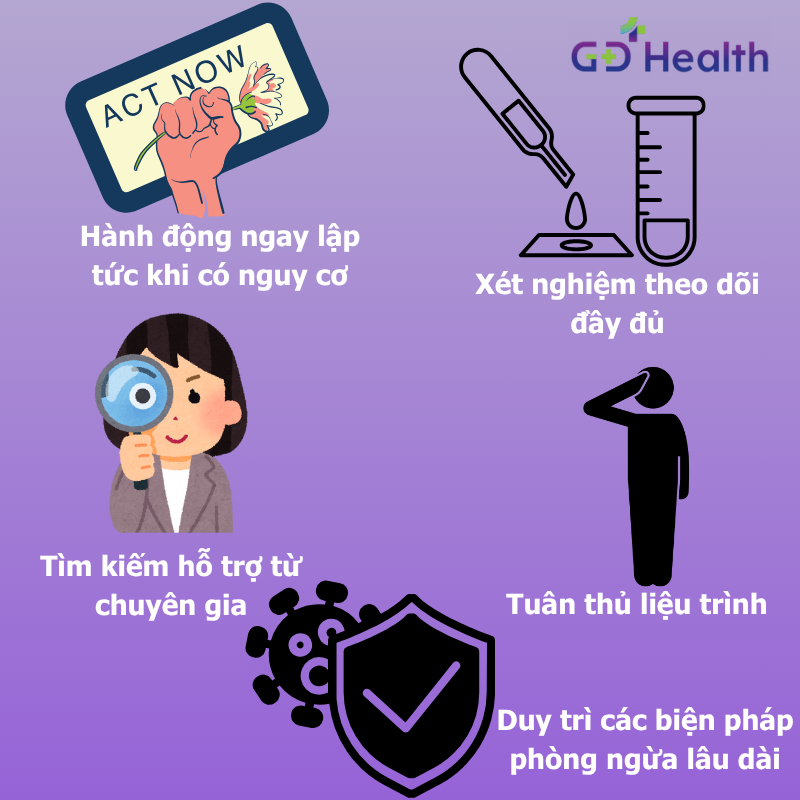
- Act immediately when at risk: If you suspect you have just been exposed to HIV (e.g., risky sex, needle accident…), do not hesitate. Quickly perform first aid steps and go immediately to a healthcare facility for PEP consultation. Time is the deciding factor!
- Strictly adhere to the PEP regimen: If you are prescribed PEP, be determined to take the medication on time and in full doses for 28 days. Do not give up halfway, even if you feel healthy or experience mild side effects – discuss with your doctor for support instead of arbitrarily stopping.
- Complete follow-up testing: After finishing PEP, remember to adhere to the HIV testing schedule recommended by your doctor (usually around 1 month and 3 months after exposure). This ensures you are definitely safe and helps you feel completely at ease.
- Maintain long-term prevention measures: Always practice safe sex (use condoms correctly) and do not share needles – not only while on PEP but also afterward. If you are at high risk in the future, discuss with your doctor about using PrEP for proactive prevention.
- Seek professional support when needed: Do not hesitate to contact doctors, specialized HIV/AIDS clinics, or counseling hotlines if you need help or have questions. Timely support will help you feel confident and overcome the stress period after exposure.
We wish you always good health and safety! Understanding and proactively preventing HIV is a practical action to protect yourself and the community. Please spread this correct knowledge to those around you, to collectively build a community free from the fear of HIV/AIDS.
This article is written by Dr Đỗ Hữu Đạt. The doctor has many years of in-depth experience in reproductive and sexual health care.
Related news
Hepatitis C: Do Not Ignore It!
Hepatitis C is a liver inflammation caused by the Hepatitis C virus (HCV). You can contract the virus through contact with infected blood. Most people with HCV have no symptoms. Crucial Fact: There is currently no vaccine for Hepatitis C. The best prevention is avoiding high-risk behaviors. However, testing and treatment can prevent complications and […]
Hepatitis B: A Comprehensive Guide
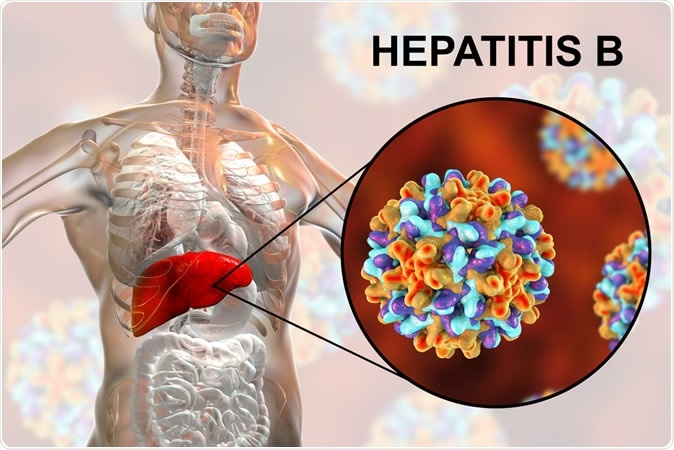
Hepatitis B is a liver disease caused by the Hepatitis B Virus (HBV). Infection can be short-term (acute) or long-term (chronic). One in two people with Hepatitis B do not know they are infected. HBV is highly contagious and spreads through contact with infected blood and body fluids. Vaccination is the best way to prevent […]
The Invisible Enemy: Chlamydia in Women and the Silent Threat of Infertility
Most of us tend to think that if there are no unusual symptoms, the body is perfectly healthy. However, the truth is that there is an invisible ‘enemy’ silently hiding in your body, capable of causing serious consequences, even infertility. That is Chlamydia, one of the most common sexually transmitted diseases (STDs) in women. Chlamydia […]
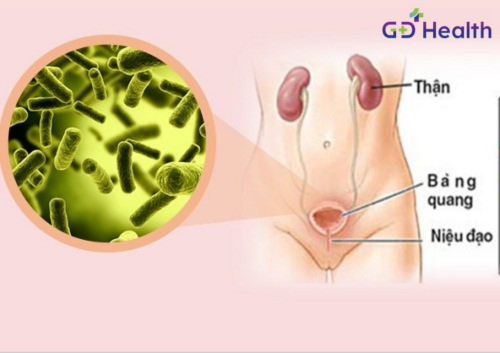
Urinary Tract Infection-UTI
Urinary Tract Infection (UTI), also known as urinary tract infection or urinary infection, is one of the most common infections globally, affecting millions each year worldwide, with a significant financial burden on society. The disease occurs when bacteria invade any part of the urinary system, including the kidneys, ureters, bladder, and urethra. Although usually treatable, […]
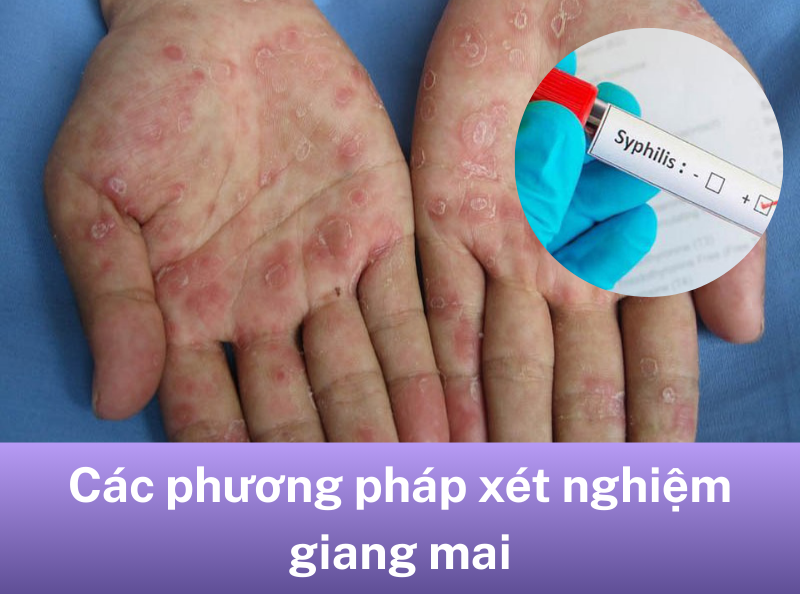
Syphilis Testing: Current Methods, Pros & Cons, and What You Need to Know
Syphilis is one of the common sexually transmitted infections (STIs) that can progress silently but leave serious consequences if not detected and treated promptly. Regular syphilis testing helps with early diagnosis, protecting your health and that of your partner. This article will help you understand the current syphilis testing methods, the pros and cons of […]

Persistent Sore Throat That Won’t Go Away? Do Not Ignore It – You Might Have Chlamydia!
Have you ever had a sore throat that dragged on for weeks, visiting multiple doctors without finding the cause? Even antibiotics didn’t help? It is very likely that the culprit is not the flu, a virus, or common bacteria – but a sexually transmitted infection called Chlamydia. Chlamydia doesn’t just “hide” in the genital area. […]
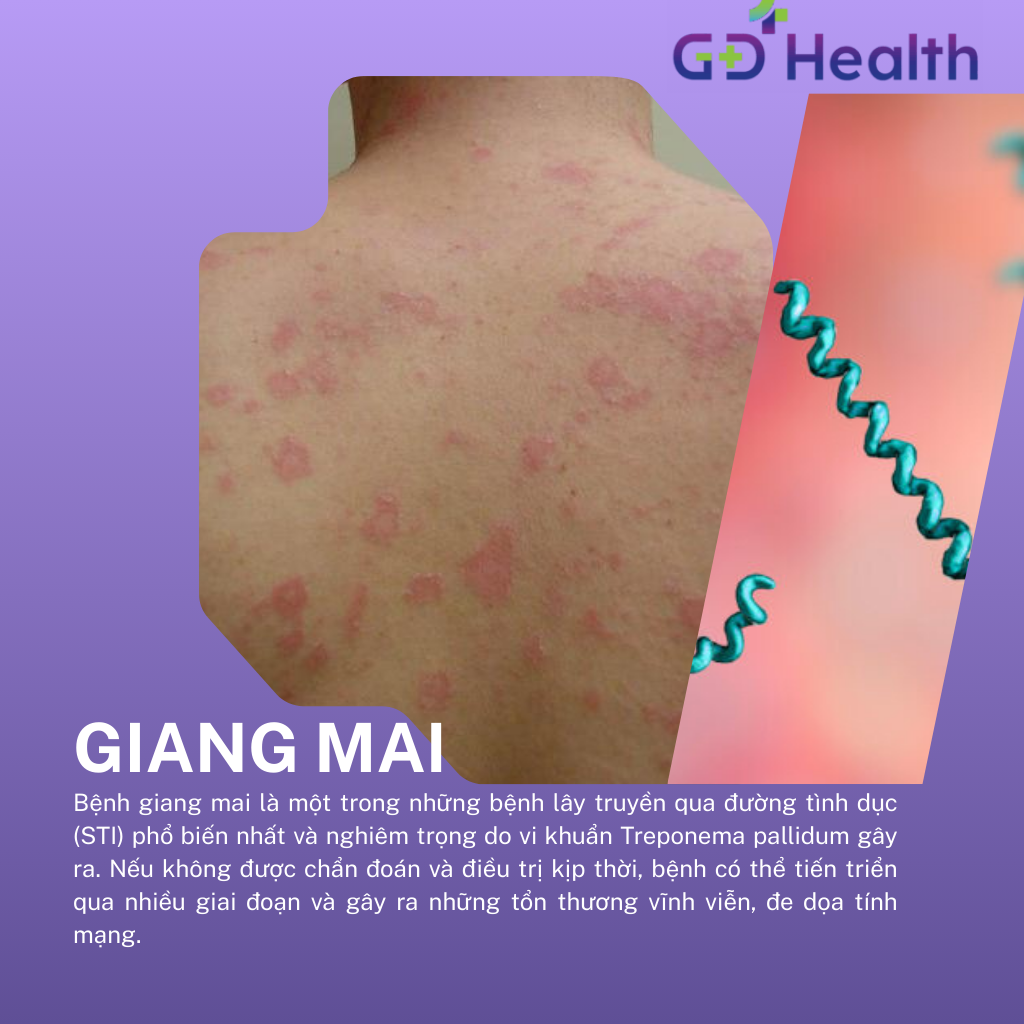
Syphilis Overview
Syphilis is one of the most common and serious Sexually Transmitted Infections (STIs), caused by the bacterium Treponema pallidum. If not diagnosed and treated promptly, the disease can progress through multiple stages, causing permanent damage and threatening life. 1. What is Syphilis?? Syphilis is an infection caused by the spirochete bacterium Treponema pallidum. The disease can […]

Chlamydia: A Comprehensive Overview
Chlamydia is one of the most common Sexually Transmitted Infections (STIs) worldwide, caused by the bacterium Chlamydia trachomatis. It is preventable and curable, spreading mainly through unprotected vaginal, oral, and anal sex. 1. What is Chlamydia? Chlamydia is a common sexually transmitted infection (STI) that can occur in both men and women, caused by the […]
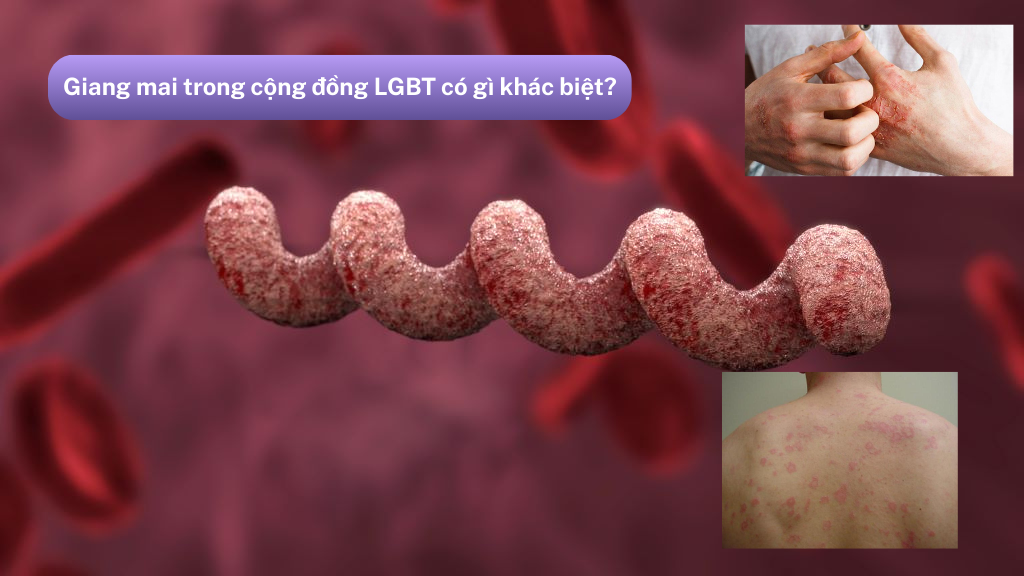
Syphilis in the LGBT Community: Are Signs, Symptoms, and Treatment Different?
1. Syphilis and the LGBT Community? Syphilis is a sexually transmitted infection (STI) caused by the bacterium Treponema pallidum. Although it affects all population groups, the rate of syphilis infection is higher in the LGBT community, especially among men who have sex with men (MSM), due to certain sexual behavioral characteristics and barriers to healthcare access. […]
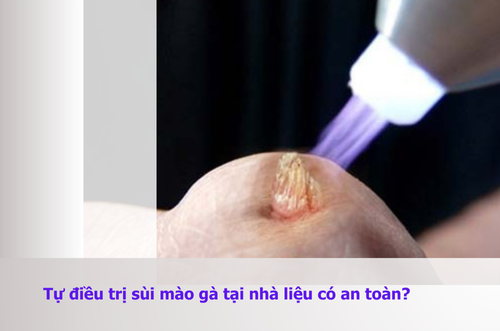
Can Genital Warts Be Treated at Home?
1. What are Genital Warts? Genital warts, also called venereal warts or anogenital warts, are a common sexually transmitted infection (STIs) caused by the Human Papillomavirus (HPV). Although most HPV infections are clinically asymptomatic, HPV types 6 and 11 are responsible for about 90% of visible genital wart cases. It is important to note that other HPV types, […]