




Submit your info or message us on Zalo or Messenger
Self-Treatment for Gonorrhea: High Risk of Antibiotic Resistance – A Global Threat
Health bulletin
21/08/2025
Nowadays, where information is flooded on social media, search applications, or AI tools… accompanied by an emphasis on convenience. Especially in the context of Vietnamese society, purchasing medication is quite easy. This has led to the formation of a dangerous habit that is silently eroding the foundation of public health: Self-medicating to treat sexually transmitted infections (STIs) in general, and gonorrhea in particular.
This inadvertently creates a ‘ticking time bomb,’ pushing society toward a global health crisis: drug-resistant gonorrhea. This is no longer a distant warning but a frightening reality that is already present globally and right here in Vietnam. Therefore, the issue of drug-resistant gonorrhea demands urgent attention and action from every individual and the whole society. Otherwise, we may face the unwanted future where there are no drugs left to treat gonorrhea.
1. Gonorrhea: The Silent and Persistent Enemy.
Gonorrhea is an ancient disease of humanity, with references to its symptoms found in the Old Testament of the Bible (Leviticus 15:1–3). For nearly 700 years, it was known as ‘the clap,’ possibly alluding to the old quarter of Le Clapiers in Paris, where sex workers lived. Today, gonorrhea is one of the most common sexually transmitted infections (STIs) caused by the bacterium Neisseria gonorrhoeae. The disease is primarily transmitted through unsafe sexual contact (vaginal, anal, oral). Failure to treat promptly can lead to serious and permanent complications. The terrifying thing about gonorrhea is that it often progresses silently, especially in women, with the majority of cases having no clear symptoms. The absence of warning signs makes infected people unaware of their condition, inadvertently becoming a source of transmission to others. When symptoms do appear, they may include painful urination, abnormal discharge from the urethra or vagina, anus, and pain during sexual intercourse. However, the very diversity and sometimes vague nature of the symptoms are a deadly trap, causing many people to mistake them for other illnesses or to self-diagnose, leading to wrong treatment decisions.
2. The ‘Self-Treatment’ Trap: The Road to Disaster
In the context of fear, shame, or simply wanting to save time and money, many people choose the path of self-purchasing antibiotics for treatment when they suspect they have gonorrhea. Pharmacies sometimes easily provide medication without a doctor’s prescription, inadvertently aiding a highly dangerous action. This action harbors countless risks:
- Mistaken Diagnosis: Gonorrhea symptoms can be similar to other STIs like Chlamydia, or even common urinary tract infections or vaginal infections. Self-diagnosis and treatment without definitive testing will lead to using the wrong type of antibiotic, failing to eliminate the actual pathogen.
- Incorrect Dosage and Regimen: Antibiotics need to be used at the precise dosage and for the exact duration to achieve maximum effectiveness. Self-treatment often leads to using an insufficient dose, stopping intermittently, or discontinuing the drug as soon as symptoms subside. This is the ideal condition for the bacteria not to be completely eliminated; instead, they get a chance to adapt and develop resistance.
- Masking Symptoms: Improper use of medication can alleviate or mask symptoms, creating a false sense of ‘being cured.’ This not only allows the gonorrhea to continue developing silently in the body but also delays the diagnosis and treatment of other serious, co-existing STIs.
- Dangerous Side Effects: Antibiotics are not supplements. Reckless use can cause side effects ranging from mild, such as nausea and diarrhea, to more serious issues like allergic reactions, liver or kidney damage, or disruption of the intestinal microbiota.
3. Antibiotic Resistance: The Mechanism of Silent Destruction.
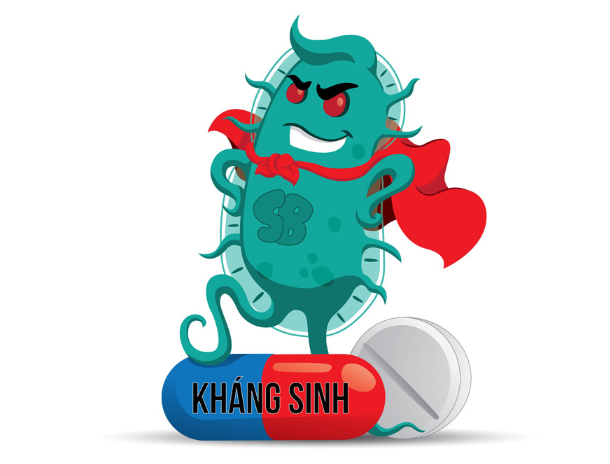
To better understand the threat of drug-resistant gonorrhea, we need to grasp the mechanism of antibiotic resistance. Antibiotics work by attacking and destroying bacteria or preventing their growth. However, bacteria are organisms with extraordinary adaptive capacity. Within a bacterial population, a small number of individuals always exist that carry natural gene mutations that help them resist the effects of antibiotics. When we use antibiotics, especially when used improperly (insufficient dose, insufficient duration), the sensitive bacteria are destroyed. But the surviving ‘resistant’ bacteria live on and multiply, passing their resistance genes to the next generation. This process is called natural selection. The more we misuse or wrongly use antibiotics, the more we create favorable conditions for the development and spread of resistant bacterial strains. Bacteria can also share resistance genes with each other through a process called horizontal gene transfer, making the rate of resistance spread rapid and alarming.
4. Drug-Resistant Gonorrhea: A Global Threat That Cannot Be Taken Lightly
The reality of drug-resistant gonorrhea has become a serious public health issue globally. The bacterium Neisseria gonorrhoeae has shown an astonishing ability to ‘evade,’ developing resistance to almost all antibiotics ever used to treat it, and even ‘last-resort’ drugs are slowly losing their effectiveness.
The Situation of Drug-Resistant Gonorrhea Worldwide and in Vietnam
- Global Situation:
The World Health Organization (WHO) and the U.S. Centers for Disease Control and Prevention (CDC) have consistently issued warnings about the emergence of ‘super gonorrhea’ strains – gonorrhea bacteria that are resistant to all available antibiotics, making treatment extremely difficult or even impossible. Cases of total drug-resistant gonorrhea have been recorded in many countries, showing that this is no longer a localized concern but a potential pandemic. Without timely intervention, we could return to the pre-antibiotic era, where a seemingly simple disease like gonorrhea could cause devastating consequences. According to WHO, an estimated 82.4 million people contracted new cases of gonorrhea in 2020. The antibiotic resistance status of Neisseria gonorrhoeae has significantly increased over the past 50 years, making many antibiotic groups ineffective. The 2021 WHO global surveillance report confirmed that drug-resistant gonorrhea strains are spreading globally. Data from 73 countries show some antibiotics are resistant up to 100% in 70 countries, especially the core antibiotic ceftriaxone, which shows resistance up to 31% in 68 countries. The U.S. also continuously monitors the resistance situation through the Gonococcal Isolate Surveillance Program (GISP). Cases of ‘super gonorrhea’ resistant to all types of antibiotics have been recorded in France, Japan, and Spain, showing the imminent danger of an untreatable disease.
- Situation in Vietnam:
The situation of drug-resistant gonorrhea in Vietnam is also evolving complexly and alarmingly. Recent studies show a clear increase in the rate of ceftriaxone resistance, the current core antibiotic. A study in Hanoi, Vietnam, during the 2023–2024 period, analyzed 352 strains of N. gonorrhoeae and recorded a ceftriaxone resistance rate of up to 27%. This shows a significant increase compared to the rate of only 1% in the 2011–2019 period.
5. Unforeseen Consequences: Individual and Community
The increase in drug-resistant gonorrhea brings severe consequences for both individuals and the community:
- For Individuals:
- Persistent Infection and Severe Complications: When gonorrhea cannot be treated effectively, the infection will become prolonged, causing chronic complications. In women, it can lead to Pelvic Inflammatory Disease (PID), causing chronic abdominal pain, ectopic pregnancy, and infertility. In men, it can cause epididymitis, leading to infertility.
- Increased Risk of HIV Infection: Untreated gonorrhea significantly increases the risk of contracting and transmitting the HIV virus.
- Impact on Newborns: Pregnant women with gonorrhea can transmit the disease to their babies during childbirth, causing neonatal conjunctivitis (ophthalmia neonatorum) which can lead to permanent blindness if not treated promptly.
- For Community Health:
- Healthcare Burden: Treating drug-resistant gonorrhea requires more complex regimens, longer treatment duration, and the use of more expensive drugs, placing significant pressure on the healthcare system and national budgets.
- Erosion of Trust in Modern Medicine: When common infections become difficult to cure, public trust in the capabilities of modern medicine will be shaken.
- Risk for Other Infections: The development of antibiotic resistance in one type of bacteria can indirectly promote resistance in other types of bacteria, threatening the ability to treat many other infections in the future.
6. Urgent Solutions: Raising Awareness and Medical Action
Facing the threat of drug-resistant gonorrhea, urgent action is imperative. The solution does not lie in self-medication, but in changing the awareness and behavior of every individual, along with strong engagement from the medical sector:
- ABSOLUTELY DO NOT SELF-TREAT: This is the golden rule. When there is any suspicion of a sexually transmitted disease, seek a reputable medical facility for examination, testing, and accurate diagnosis. Only a doctor has the necessary expertise to provide the appropriate treatment regimen.
- Adhere to the Treatment Regimen: If diagnosed with gonorrhea, strictly follow the doctor’s instructions regarding the dosage and duration of antibiotic use, even if symptoms have disappeared. Completing the full course is extremely important to completely eliminate the bacteria and prevent the development of resistance.
- Test and Treat Partners: To break the chain of infection and prevent reinfection, it is crucial that all recent sexual partners of the infected person also be tested and treated if necessary.
- Practice Safe Sex: Correct and consistent use of condoms is the most effective measure to prevent the transmission of gonorrhea and other STIs.
- Routine Screening: High-risk individuals (unsafe sexual contact, multiple partners) should undergo regular STI screening for early detection and timely treatment.
- Community Awareness Enhancement: Health education campaigns need to be intensified to provide accurate information about gonorrhea, the risks of self-treatment, and the importance of seeking professional medical care.
7. Conclusion
Drug-resistant gonorrhea is not only a medical issue but also a social challenge requiring solidarity and decisive action. Self-medicating for gonorrhea not only harms the individual but is also an irresponsible behavior, contributing to the creation of a ‘superbug’ that can threaten the health of all humanity. The time has come for us to end this dangerous habit. Remember that health is the most precious asset, and protecting it requires understanding, responsibility, and trust in medical science. Do not let lack of knowledge and complacency turn a curable disease into an uncontrollable threat. Act today to protect yourself, your family, and the community from the shadow of drug-resistant gonorrhea.
This article is written by BS. CKI. Võ Nguyễn Duy Hoà, a specialist in General Surgery, Urology, and Andrology. The doctor has many years of experience in the field of reproductive and sexual health.
Reference
- [1]. Baarda BI, Sikora AE. Proteomics of Neisseria gonorrhoeae: the treasure hunt for countermeasures against an old disease. Front Microbiol. 2015;6:1190. Published 2015 Oct 26. doi:10.3389/fmicb.2015.01190
- [2]. Jolein Gyonne Elise Laumen, Vu N Hieu, Pham Hong Nhung, Koen Vandelannoote, Tam Thi Nguyen, Trang T Nguyen, Diep T N Nguyen, Thomas Kesteman, H Rogier van Doorn, Tran M Chau, Paul C Adamson, High Prevalence of Ceftriaxone-Resistant Neisseria gonorrhoeaein Hanoi, Vietnam, 2023–2024, The Journal of Infectious Diseases, Volume 232, Issue 1, 15 July 2025, Pages e73–e77, https://doi.org/10.1093/infdis/jiaf071
- [3]. “Multi-drug resistant gonorrhoea”. https://www.who.int/news-room/fact-sheets/detail/multi-drug-resistant-gonorrhoea
- [4]. “Gonorrhoea: latest antimicrobial global surveillance results and guidance for vaccine development published”. https://www.who.int/news/item/22-11-2021-gonorrhoea-antimicrobial-resistance-results-and-guidance-vaccine-development
- [5]. “Gonococcal Isolate Surveillance Project (GISP) Profiles”. https://www.cdc.gov/sti-statistics/gisp-profiles/index.html
- [6]. Quyết định 5165/QĐ-BYT 2021 hướng dẫn chẩn đoán và điều trị bệnh lậu. https://thuvienphapluat.vn/van-ban/Tai-nguyen-Moi-truong/Quyet-dinh-5165-QD-BYT-2021-huong-dan-chan-doan-va-dieu-tri-benh-Lau-494081.aspx
Related news
Hepatitis C: Do Not Ignore It!
Hepatitis C is a liver inflammation caused by the Hepatitis C virus (HCV). You can contract the virus through contact with infected blood. Most people with HCV have no symptoms. Crucial Fact: There is currently no vaccine for Hepatitis C. The best prevention is avoiding high-risk behaviors. However, testing and treatment can prevent complications and […]
Hepatitis B: A Comprehensive Guide
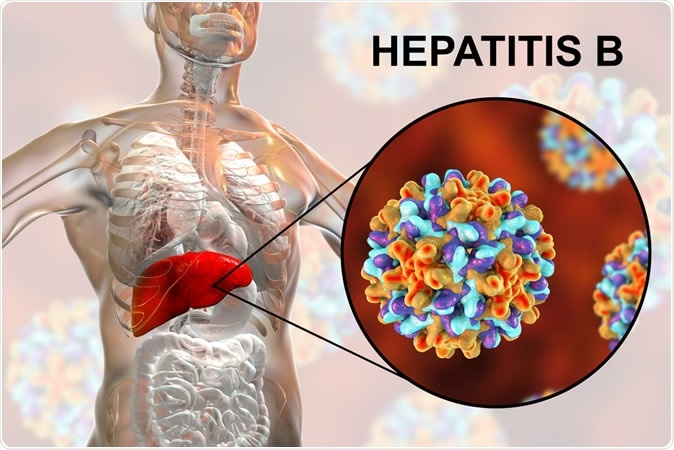
Hepatitis B is a liver disease caused by the Hepatitis B Virus (HBV). Infection can be short-term (acute) or long-term (chronic). One in two people with Hepatitis B do not know they are infected. HBV is highly contagious and spreads through contact with infected blood and body fluids. Vaccination is the best way to prevent […]
The Invisible Enemy: Chlamydia in Women and the Silent Threat of Infertility
Most of us tend to think that if there are no unusual symptoms, the body is perfectly healthy. However, the truth is that there is an invisible ‘enemy’ silently hiding in your body, capable of causing serious consequences, even infertility. That is Chlamydia, one of the most common sexually transmitted diseases (STDs) in women. Chlamydia […]
Urinary Tract Infection-UTI
Urinary Tract Infection (UTI), also known as urinary tract infection or urinary infection, is one of the most common infections globally, affecting millions each year worldwide, with a significant financial burden on society. The disease occurs when bacteria invade any part of the urinary system, including the kidneys, ureters, bladder, and urethra. Although usually treatable, […]

Syphilis Testing: Current Methods, Pros & Cons, and What You Need to Know
Syphilis is one of the common sexually transmitted infections (STIs) that can progress silently but leave serious consequences if not detected and treated promptly. Regular syphilis testing helps with early diagnosis, protecting your health and that of your partner. This article will help you understand the current syphilis testing methods, the pros and cons of […]

Persistent Sore Throat That Won’t Go Away? Do Not Ignore It – You Might Have Chlamydia!
Have you ever had a sore throat that dragged on for weeks, visiting multiple doctors without finding the cause? Even antibiotics didn’t help? It is very likely that the culprit is not the flu, a virus, or common bacteria – but a sexually transmitted infection called Chlamydia. Chlamydia doesn’t just “hide” in the genital area. […]
Syphilis Overview
Syphilis is one of the most common and serious Sexually Transmitted Infections (STIs), caused by the bacterium Treponema pallidum. If not diagnosed and treated promptly, the disease can progress through multiple stages, causing permanent damage and threatening life. 1. What is Syphilis?? Syphilis is an infection caused by the spirochete bacterium Treponema pallidum. The disease can […]

Chlamydia: A Comprehensive Overview
Chlamydia is one of the most common Sexually Transmitted Infections (STIs) worldwide, caused by the bacterium Chlamydia trachomatis. It is preventable and curable, spreading mainly through unprotected vaginal, oral, and anal sex. 1. What is Chlamydia? Chlamydia is a common sexually transmitted infection (STI) that can occur in both men and women, caused by the […]
Syphilis in the LGBT Community: Are Signs, Symptoms, and Treatment Different?
1. Syphilis and the LGBT Community? Syphilis is a sexually transmitted infection (STI) caused by the bacterium Treponema pallidum. Although it affects all population groups, the rate of syphilis infection is higher in the LGBT community, especially among men who have sex with men (MSM), due to certain sexual behavioral characteristics and barriers to healthcare access. […]

Can Genital Warts Be Treated at Home?
1. What are Genital Warts? Genital warts, also called venereal warts or anogenital warts, are a common sexually transmitted infection (STIs) caused by the Human Papillomavirus (HPV). Although most HPV infections are clinically asymptomatic, HPV types 6 and 11 are responsible for about 90% of visible genital wart cases. It is important to note that other HPV types, […]