




Submit your info or message us on Zalo or Messenger
HIV/AIDS: Understanding the Basics for Effective Prevention
Health bulletin
19/07/2025
What is HIV/AIDS?
HIV (short for Human Immunodeficiency Virus) is a virus that attacks the immune system. Specifically, HIV targets CD4 white blood cells—the “primary defense force” that protects the body against illness. When HIV destroys a significant number of CD4 cells, the immune system becomes severely weakened, leaving the infected person vulnerable to opportunistic infections or cancers.
AIDS (short for Acquired Immunodeficiency Syndrome) is the final, most advanced stage of HIV infection. A person living with HIV is diagnosed with AIDS when their CD4+ cell count drops below 200 cells/mm³ (in a healthy person, this ranges from 500–1,600 cells/mm³), or when severe opportunistic infections appear. Without treatment, AIDS can lead to death after about 2–3 years.
The good news: Today, thanks to advances in medicine and antiretroviral (ARV) drugs, people living with HIV can be treated effectively. ARV drugs help control the amount of virus in the body, preventing HIV from multiplying, allowing infected individuals to live healthy, near-normal lives. Importantly, if treatment is successful to the point where the viral load in the blood is below the level of detection (undetectable viral load), the infected person cannot transmit HIV through sexual intercourse. The crucial message “Undetectable = Untransmittable” (U=U) has changed the perception of HIV: from a terrifying “death sentence” to a chronic, manageable disease. This understanding brings hope to infected individuals and reduces social stigma.
How is HIV transmitted?
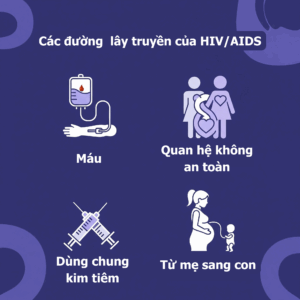
The main routes of HIV transmission include:
- Unsafe sexual intercourse: The most common route, particularly through vaginal or anal sex without a condom or with a broken/slipped condom. The risk increases if the partner is HIV-positive or their status is unknown. (Oral sex is generally much less risky, but if ejaculation occurs in the mouth and you have open sores in your mouth or bleeding gums, there is still a possibility of transmission, and PEP should be considered).
- Sharing needles or injection equipment: Sharing syringes with an HIV-positive person (e.g., when injecting drugs) carries a very high risk of infection due to direct contact with virus-containing blood.
- Mother-to-child transmission: HIV-positive women can transmit the virus to their child during pregnancy, childbirth, or breastfeeding.
How is HIV NOT transmitted? Many people worry unnecessarily about common contact. In reality, HIV is not transmitted through contact such as:
- Shaking hands, hugging, sitting together, sharing restrooms, or household items (utensils, towels).
- External environment like air, water, food, or via mosquito bites or insect stings.
- Saliva, sweat, tears, urine (as long as there is no blood).
- Additionally, some very rare transmission situations may occur but are low-probability:
- Oral sex: The risk of HIV transmission through oral sex is very low. The risk only increases if ejaculation occurs in the mouth accompanied by open sores in the mouth or genitals, or if other sexually transmitted diseases are present.
- Deep kissing: Casual kissing does not transmit HIV. It is only in the extremely rare case where both individuals have bleeding sores in the mouth that there is a risk.
- Bites: The risk of transmission through biting is very rare and only when the bite causes severe bleeding, allowing the infected person’s blood to come into direct contact with a deep wound.
- Tattoos, piercings with unsterilized tools: Tattoos or piercings themselves do not transmit HIV if the tools are properly sterilized. However, if the needle or tattoo ink is contaminated with blood from an HIV-positive person and is not sterilized, transmission is possible (although cases transmitted this way are extremely rare in reality).
Understanding how HIV is and is not transmitted is incredibly important. Accurate information helps people prevent infection effectively and avoid stigmatizing those infected. When we clearly know the risks, we become calmer, assess situations accurately, and choose appropriate actions (such as using condoms, not sharing needles, etc.).
The Status of HIV/AIDS Globally and in Vietnam
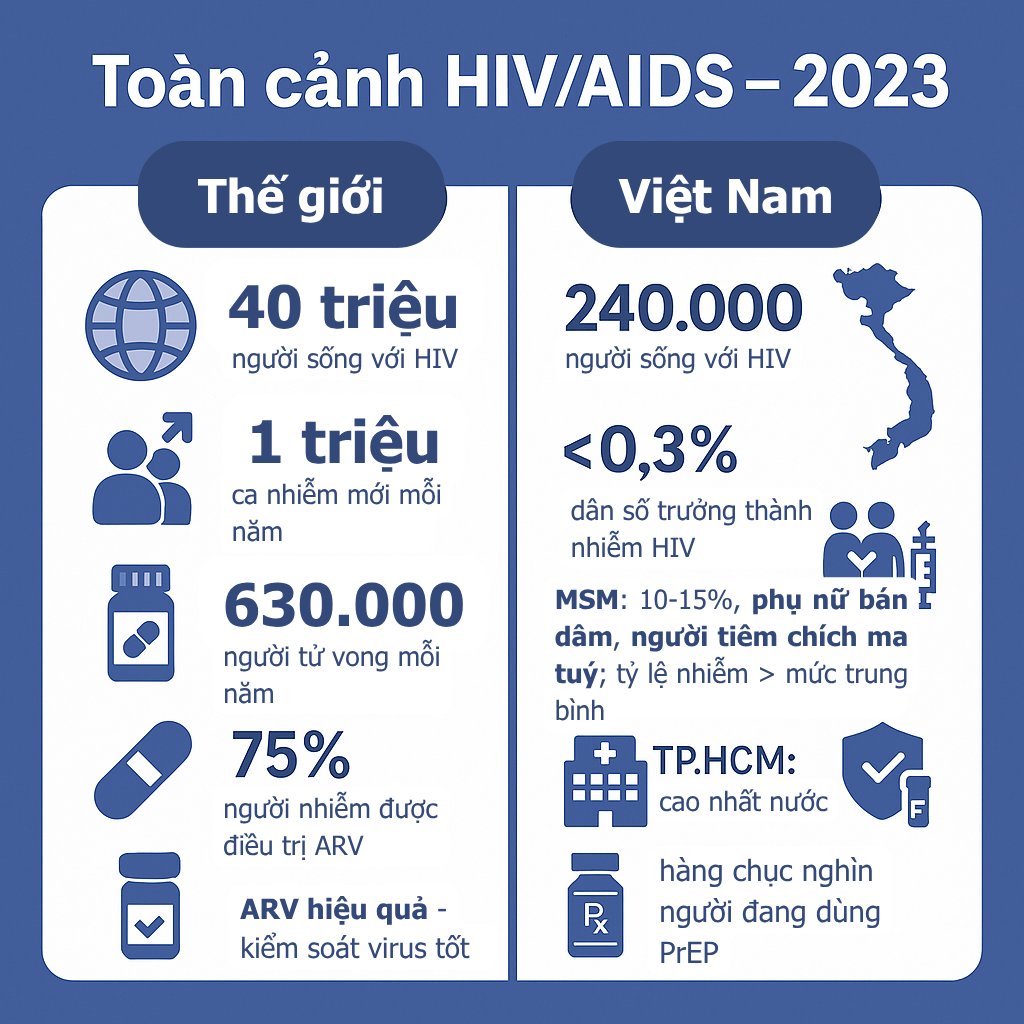
- Globally: HIV/AIDS remains a major health issue. As of 2023, approximately 40 million people worldwide are living with HIV. Over one million new HIV infections still occur each year, but this number is gradually decreasing thanks to prevention programs. The number of AIDS-related deaths is currently around 630,000 annually worldwide (a significant reduction compared to previous years). Importantly, more and more people living with HIV are accessing ARV treatment (over 3/4 of infected individuals globally are on treatment), helping them live healthy lives and reduce the risk of transmission.
- In Vietnam: The HIV epidemic is currently controlled at a low level in the general community (less than 0.3% of the adult population is HIV-positive). However, HIV is concentrated in certain high-risk groups. For example, among men who have sex with men (MSM), the estimated HIV prevalence is about 10–15%; among injecting drug users and female sex workers, the prevalence is also higher than the average. As of 2023, Vietnam has about 240,000 people living with HIV. Large cities like Ho Chi Minh City have the highest number of infected individuals nationwide. Positively, the majority of patients are on effective ARV treatment (most have achieved undetectable viral load). Additionally, tens of thousands of high-risk individuals in Vietnam have proactively used PrEP (pre-exposure prophylaxis) to prevent HIV.
These figures show that we have made much progress in the fight against HIV/AIDS, but the epidemic is not over. There are still people who do not know they are infected, and there are new infections every day. This emphasizes the importance of prevention measures like PEP (post-exposure prophylaxis) alongside other measures.
Why is HIV prevention important?
If left uncontrolled, HIV/AIDS is still very dangerous, can lead to death, and creates a burden on the healthcare system. Therefore, HIV prevention protects both you and the community, mitigating the severe impact of the epidemic.
On the other hand, as mentioned, people living with HIV today can live healthy lives thanks to ARV treatment. This means that if we increase early testing, and connect infected individuals to timely treatment, HIV is no longer a “death sentence.” Moreover, when infected individuals are successfully treated (U=U), they do not transmit the virus to others. Therefore, eliminating stigma and facilitating access to healthcare services for infected individuals is a vital part of HIV prevention.
Many effective tools for HIV prevention are now available: correct condom use, not sharing needles, early ARV treatment for infected individuals, PrEP (pre-exposure prophylaxis for high-risk individuals), and PEP (post-exposure prophylaxis in emergency situations). Understanding and correctly using these measures is the key to working toward the UN goal of ending the AIDS epidemic by 2030.
This article is written by Dr Đỗ Hữu Đạt. The doctor has many years of in-depth experience in reproductive and sexual health care.
Related news
Hepatitis C: Do Not Ignore It!
Hepatitis C is a liver inflammation caused by the Hepatitis C virus (HCV). You can contract the virus through contact with infected blood. Most people with HCV have no symptoms. Crucial Fact: There is currently no vaccine for Hepatitis C. The best prevention is avoiding high-risk behaviors. However, testing and treatment can prevent complications and […]
Hepatitis B: A Comprehensive Guide
Hepatitis B is a liver disease caused by the Hepatitis B Virus (HBV). Infection can be short-term (acute) or long-term (chronic). One in two people with Hepatitis B do not know they are infected. HBV is highly contagious and spreads through contact with infected blood and body fluids. Vaccination is the best way to prevent […]
The Invisible Enemy: Chlamydia in Women and the Silent Threat of Infertility
Most of us tend to think that if there are no unusual symptoms, the body is perfectly healthy. However, the truth is that there is an invisible ‘enemy’ silently hiding in your body, capable of causing serious consequences, even infertility. That is Chlamydia, one of the most common sexually transmitted diseases (STDs) in women. Chlamydia […]
Urinary Tract Infection-UTI
Urinary Tract Infection (UTI), also known as urinary tract infection or urinary infection, is one of the most common infections globally, affecting millions each year worldwide, with a significant financial burden on society. The disease occurs when bacteria invade any part of the urinary system, including the kidneys, ureters, bladder, and urethra. Although usually treatable, […]
Syphilis Testing: Current Methods, Pros & Cons, and What You Need to Know
Syphilis is one of the common sexually transmitted infections (STIs) that can progress silently but leave serious consequences if not detected and treated promptly. Regular syphilis testing helps with early diagnosis, protecting your health and that of your partner. This article will help you understand the current syphilis testing methods, the pros and cons of […]

Persistent Sore Throat That Won’t Go Away? Do Not Ignore It – You Might Have Chlamydia!
Have you ever had a sore throat that dragged on for weeks, visiting multiple doctors without finding the cause? Even antibiotics didn’t help? It is very likely that the culprit is not the flu, a virus, or common bacteria – but a sexually transmitted infection called Chlamydia. Chlamydia doesn’t just “hide” in the genital area. […]
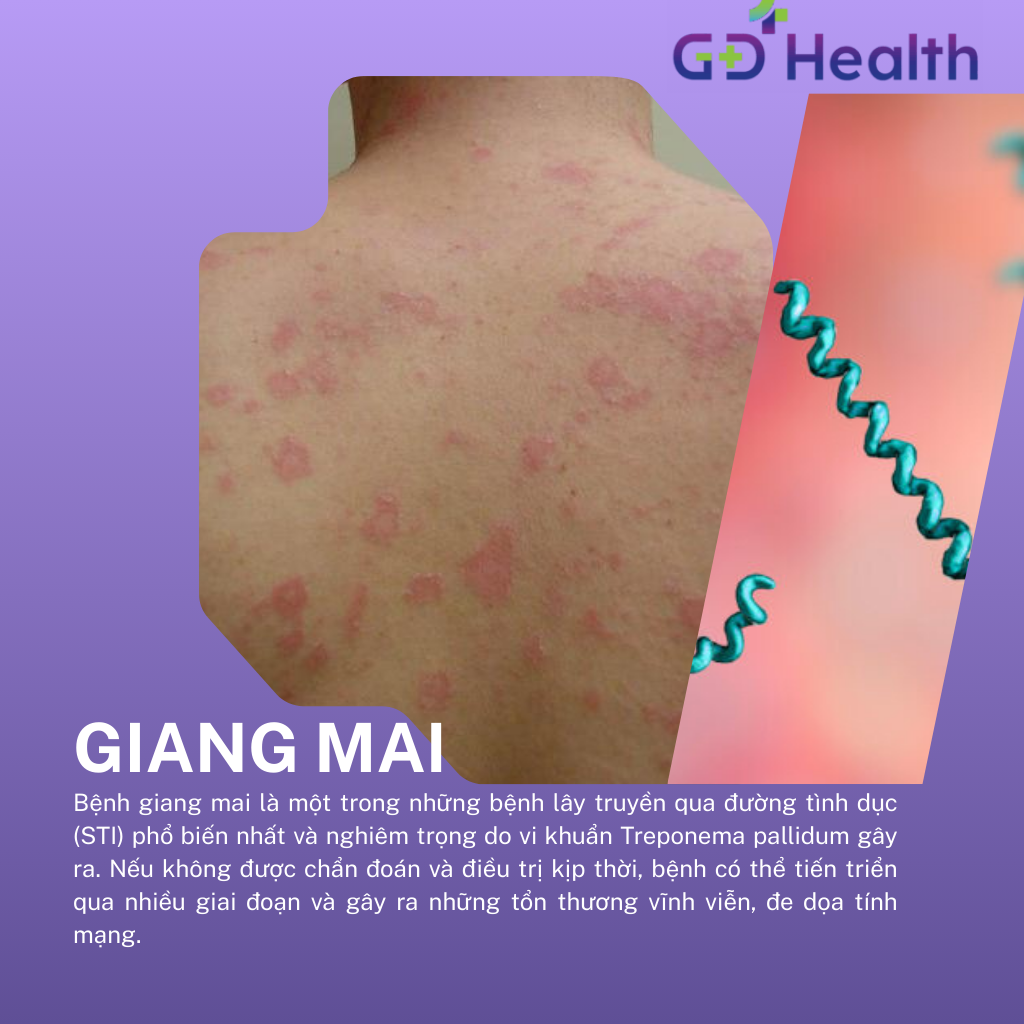
Syphilis Overview
Syphilis is one of the most common and serious Sexually Transmitted Infections (STIs), caused by the bacterium Treponema pallidum. If not diagnosed and treated promptly, the disease can progress through multiple stages, causing permanent damage and threatening life. 1. What is Syphilis?? Syphilis is an infection caused by the spirochete bacterium Treponema pallidum. The disease can […]
Chlamydia: A Comprehensive Overview
Chlamydia is one of the most common Sexually Transmitted Infections (STIs) worldwide, caused by the bacterium Chlamydia trachomatis. It is preventable and curable, spreading mainly through unprotected vaginal, oral, and anal sex. 1. What is Chlamydia? Chlamydia is a common sexually transmitted infection (STI) that can occur in both men and women, caused by the […]
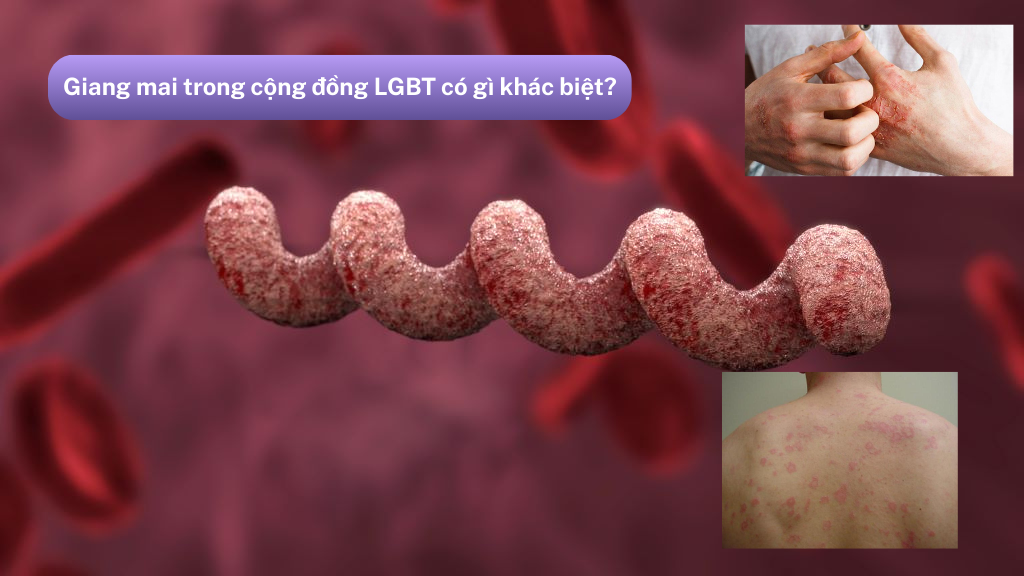
Syphilis in the LGBT Community: Are Signs, Symptoms, and Treatment Different?
1. Syphilis and the LGBT Community? Syphilis is a sexually transmitted infection (STI) caused by the bacterium Treponema pallidum. Although it affects all population groups, the rate of syphilis infection is higher in the LGBT community, especially among men who have sex with men (MSM), due to certain sexual behavioral characteristics and barriers to healthcare access. […]
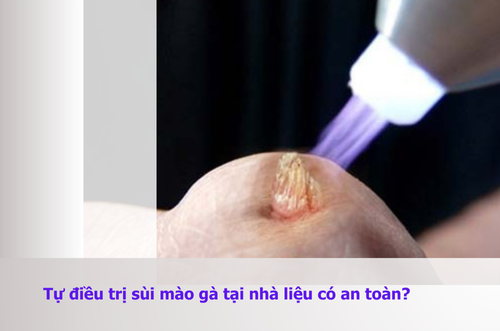
Can Genital Warts Be Treated at Home?
1. What are Genital Warts? Genital warts, also called venereal warts or anogenital warts, are a common sexually transmitted infection (STIs) caused by the Human Papillomavirus (HPV). Although most HPV infections are clinically asymptomatic, HPV types 6 and 11 are responsible for about 90% of visible genital wart cases. It is important to note that other HPV types, […]