




Submit your info or message us on Zalo or Messenger
STIs: Understanding and Preventing Sexually Transmitted Infections
Health bulletin
07/08/2025
Introduction to STIs
Sexually Transmitted Infections (STIs) are a serious public health issue, affecting millions of people worldwide. According to data from the U.S. Centers for Disease Control and Prevention (CDC), 2023 recorded over 2.4 million STI cases in the U.S., including chlamydia, gonorrhea, and syphilis, with 3,882 cases of congenital syphilis, resulting in 279 infant deaths [1]. The World Health Organization (WHO) also reported that in 2020, approximately 374 million new infections of STIs such as chlamydia, gonorrhea, syphilis, and trichomoniasis occurred globally [2]. These numbers emphasize the importance of raising awareness and implementing preventive measures to protect individual and community health.
Prevalence of Sexually Transmitted Diseases
Here is a summary of the most common STIs based on the latest data:
|
Disease |
US Cases (2023) | Global Estimate | High-Risk Group |
|---|---|---|---|
|
Syphilis |
209,253 (3,882 congenital) | 8 million people (aged 15-49, 2022) | Ages 15-24, African Americans |
|
Chlamydia |
1,648,568 | ~61 million new cases/year (2015) | Young women, ages 15-24 |
| 601,319 | ~88 million new cases/year (2015) | Males, especially MSM, racial disparities | |
| >2 million (2018) | >122 million new cases/year (2015) | Women, especially older women | |
|
Genital Herpes (HSV) |
572,000 new cases (2018) | 846 million people (aged 15-49, 2020) | Sexually active adults |
- Syphilis: Increased by 1% from 2022, with the highest rate of congenital syphilis since 1992 (105.8 per 100,000 live births). [1]
- Chlamydia: The most common bacterial STI, with 55.8% of cases in the 15-24 age group. [1]
- Gonorrhea: Decreased by 7.2% from 2022, but remains a concern due to antibiotic resistance. [5]
- Trichomoniasis: Not nationally reported in the U.S., but global estimates show high prevalence, often without symptoms. [2]
- Genital Herpes: Affects 846 million people globally, often recurrent and impacts quality of life. [3]
The 15-24 age group accounts for 48.2% of infections, and African Americans are disproportionately affected (32.4% of cases despite making up only 12.6% of the population), reflecting systemic barriers to healthcare access. [1]

Long-Term Consequences and Effects
STIs not only cause immediate symptoms but also lead to serious long-term consequences if left untreated:
- Infertility and Reproductive Damage: Chlamydia and gonorrhea can cause Pelvic Inflammatory Disease (PID), with 50% of untreated chlamydia cases leading to PID, which can cause scarring of the fallopian tubes, infertility, or ectopic pregnancy.
- Fetal Damage: Congenital syphilis can cause miscarriage, stillbirth, premature birth, or birth defects. In 2023, 279 infants died from congenital syphilis in the U.S. [1]
- Increased HIV Risk: STIs like chlamydia, gonorrhea, and trichomoniasis increase the risk of HIV infection due to mucosal damage and inflammation (NCBI, 2021).
- Cancer Links: The HPV virus, often linked to genital herpes, is the main cause of cervical cancer, with 1.2 million cancer cases related to STIs annually. [4]
- Psychological and Social Impact: Stigma related to STIs can cause anxiety, depression, and delay in seeking treatment. The cost of treatment and consequences like infertility is estimated to be up to $16 billion annually in the U.S. [1].
Causes of Unsafe Sexual Behavior
Unsafe sexual behavior, such as not using condoms or having multiple partners, is the main cause of STI spread. Some common reasons include:
- Lack of Knowledge: Many people are not fully aware of the risks of STIs or how to prevent them.
- Social Pressure: Culture or peer pressure can encourage risky behavior, especially in young people.
- Psychological Factors: The use of alcohol, drugs, or pressure in a relationship can impair the ability to make safe decisions.
Understanding these reasons helps us be more empathetic towards those engaging in risky behavior. Instead of judging, we need to provide information and support to encourage safer choices.
Prevention Measures
To reduce the risk of STI infection, people can take the following steps:
- Condom Use: Correct and consistent use significantly reduces the risk of infection (CDC, 2025).
- Vaccination: Vaccines for HPV and Hepatitis B have been rolled out in 140 countries, helping prevent cervical cancer and related diseases [2].
- Regular Testing: The CDC recommends annual testing for high-risk individuals, such as young people or those with multiple partners (CDC, 2025).
- Timely Treatment: STIs like chlamydia, gonorrhea, and trichomoniasis can be cured with antibiotics if detected early. Notifying partners also helps prevent spread.
- Reducing Stigma: Campaigns like STI Awareness Week help reduce fear and encourage people to seek medical support (HIV.gov, 2024).

Call to Action
Everyone has a responsibility to protect their sexual health by practicing safe sex, getting regular check-ups, and seeking timely treatment if necessary. At the same time, the community needs to support this by reducing stigma and strengthening STI education. An open, non-judgmental environment will encourage everyone to proactively care for their health, thereby protecting the entire community.
Conclusion
STIs are a major public health challenge, with high infection rates and serious consequences such as infertility, fetal damage, and increased HIV risk. However, with correct awareness, education, and prevention measures, we can mitigate their impact. Let’s work together to build a healthier future where everyone is equipped with the knowledge and support to protect their health.
This article is written by Dr Đỗ Hữu Đạt. The doctor has many years of in-depth experience in reproductive and sexual health care.
Reference
[1]. CDC. (2024). Sexually Transmitted Infections Surveillance, 2023. Available from: https://www.cdc.gov/sti-statistics/annual/summary.html
[2]. WHO. (2025). Sexually transmitted infections (STIs). Available from: https://www.who.int/news-room/fact-sheets/detail/sexually-transmitted-infections-%28stis%29
[3]. Harfouche, M., AlMukdad, S., Alareeki, A., Osman, A. M. M., Gottlieb, S., Rowley, J., & Abu-Raddad, L. J. (2025). Estimated global and regional incidence and prevalence of herpes simplex virus infections and genital ulcer disease in 2020: mathematical modelling analyses. Sex Transm Infect, 101(4), 214-223. doi: 10.1136/sextrans-2024-056307
[4]. Bray, F., Ferlay, J., Soerjomataram, I., Siegel, R. L., Torre, L. A., & Jemal, A. (2018). Global cancer statistics 2018: GLOBOCAN estimates of incidence and mortality worldwide for 36 cancers in 185 countries. CA Cancer J Clin, 68(6), 394-424. doi: 10.3322/caac.21492
[5]. Unemo, M., Lahra, M. M., Escher, M., Eremin, S., Cole, M. J., Galarza, P., Ndowa, F., Martin, I., Dillon, J. R., Galas, M., Ramon-Pardo, P., Weinstock, H., & Wi, T. (2022). WHO global antimicrobial resistance surveillance (GASP/GLASS) for Neisseria gonorrhoeae 2017-2018: a retrospective observational study. Lancet Infect Dis, 22(10), 1473-1484. doi: 10.1016/S1473-3099(22)00415-7
Related news

Hepatitis C: Do Not Ignore It!
Hepatitis C is a liver inflammation caused by the Hepatitis C virus (HCV). You can contract the virus through contact with infected blood. Most people with HCV have no symptoms. Crucial Fact: There is currently no vaccine for Hepatitis C. The best prevention is avoiding high-risk behaviors. However, testing and treatment can prevent complications and […]
Hepatitis B: A Comprehensive Guide
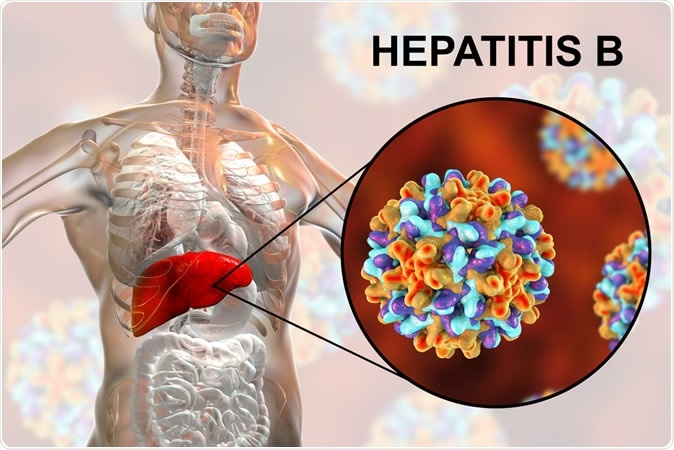
Hepatitis B is a liver disease caused by the Hepatitis B Virus (HBV). Infection can be short-term (acute) or long-term (chronic). One in two people with Hepatitis B do not know they are infected. HBV is highly contagious and spreads through contact with infected blood and body fluids. Vaccination is the best way to prevent […]
The Invisible Enemy: Chlamydia in Women and the Silent Threat of Infertility
Most of us tend to think that if there are no unusual symptoms, the body is perfectly healthy. However, the truth is that there is an invisible ‘enemy’ silently hiding in your body, capable of causing serious consequences, even infertility. That is Chlamydia, one of the most common sexually transmitted diseases (STDs) in women. Chlamydia […]
Urinary Tract Infection-UTI
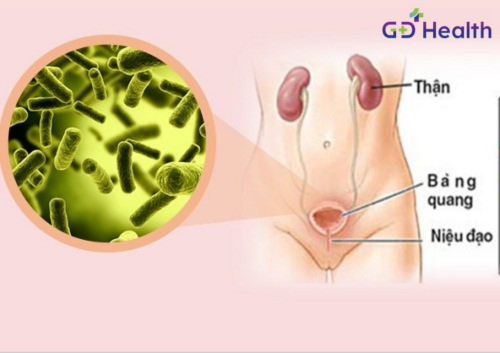
Urinary Tract Infection (UTI), also known as urinary tract infection or urinary infection, is one of the most common infections globally, affecting millions each year worldwide, with a significant financial burden on society. The disease occurs when bacteria invade any part of the urinary system, including the kidneys, ureters, bladder, and urethra. Although usually treatable, […]
Syphilis Testing: Current Methods, Pros & Cons, and What You Need to Know
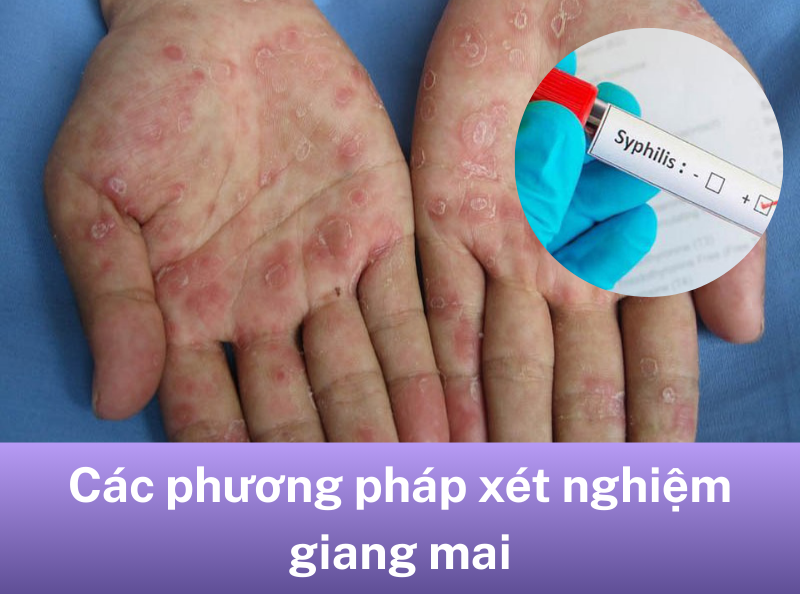
Syphilis is one of the common sexually transmitted infections (STIs) that can progress silently but leave serious consequences if not detected and treated promptly. Regular syphilis testing helps with early diagnosis, protecting your health and that of your partner. This article will help you understand the current syphilis testing methods, the pros and cons of […]

Persistent Sore Throat That Won’t Go Away? Do Not Ignore It – You Might Have Chlamydia!
Have you ever had a sore throat that dragged on for weeks, visiting multiple doctors without finding the cause? Even antibiotics didn’t help? It is very likely that the culprit is not the flu, a virus, or common bacteria – but a sexually transmitted infection called Chlamydia. Chlamydia doesn’t just “hide” in the genital area. […]
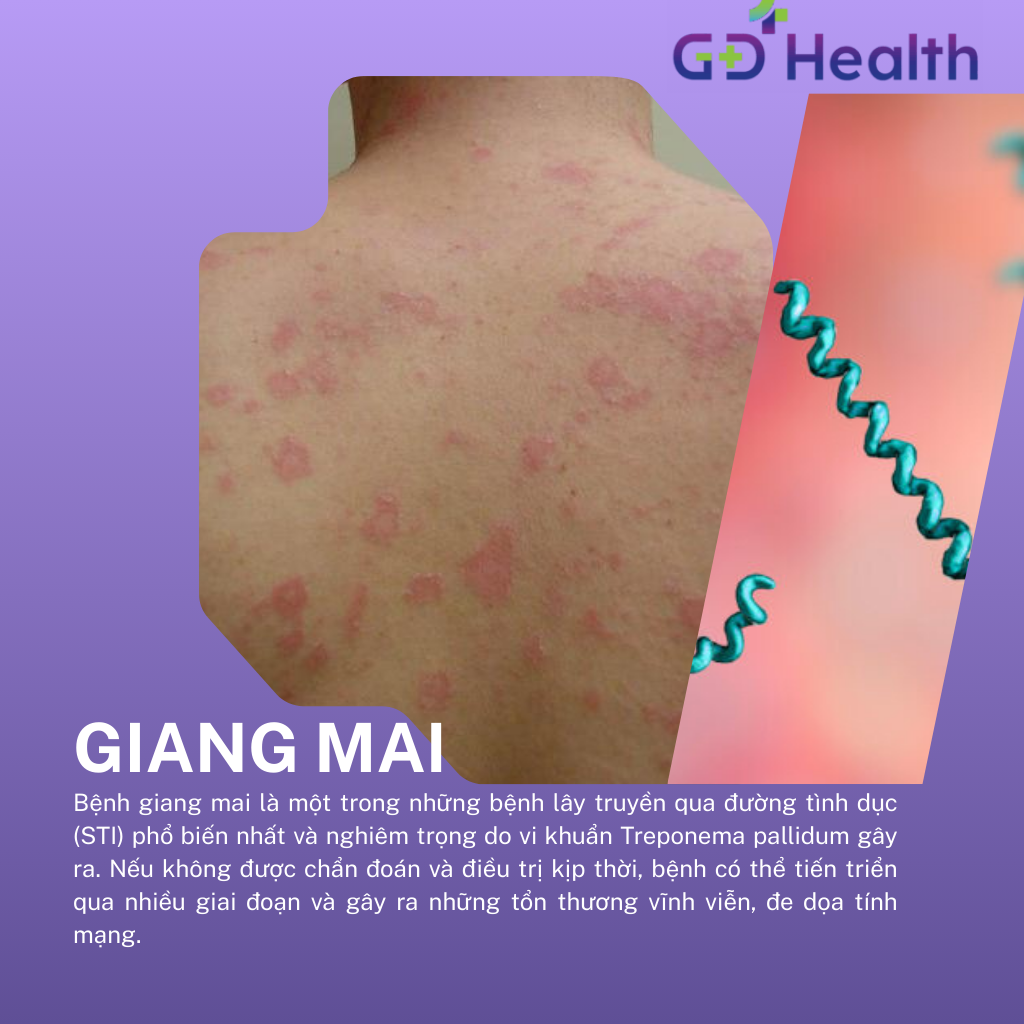
Syphilis Overview
Syphilis is one of the most common and serious Sexually Transmitted Infections (STIs), caused by the bacterium Treponema pallidum. If not diagnosed and treated promptly, the disease can progress through multiple stages, causing permanent damage and threatening life. 1. What is Syphilis?? Syphilis is an infection caused by the spirochete bacterium Treponema pallidum. The disease can […]

Chlamydia: A Comprehensive Overview
Chlamydia is one of the most common Sexually Transmitted Infections (STIs) worldwide, caused by the bacterium Chlamydia trachomatis. It is preventable and curable, spreading mainly through unprotected vaginal, oral, and anal sex. 1. What is Chlamydia? Chlamydia is a common sexually transmitted infection (STI) that can occur in both men and women, caused by the […]
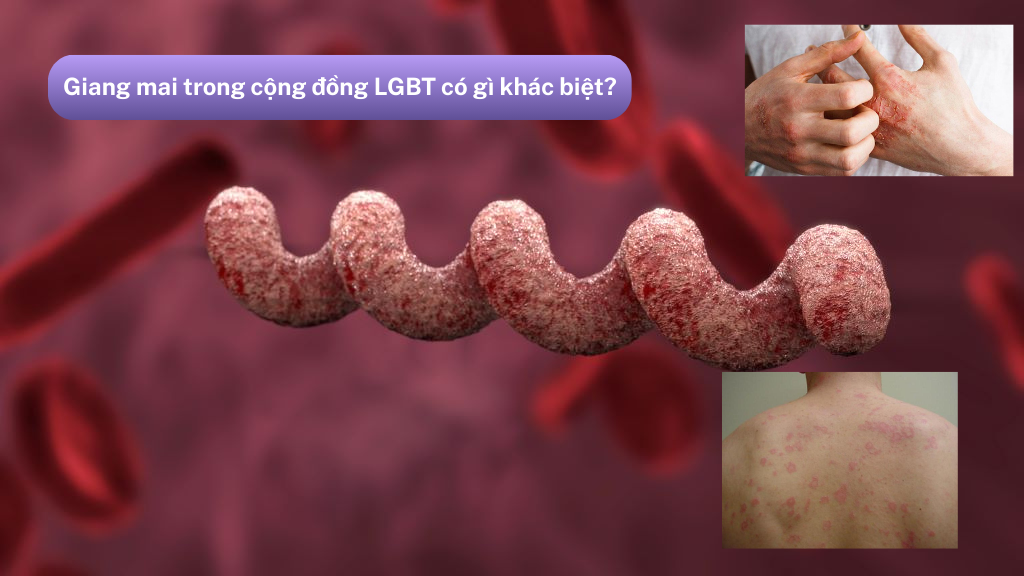
Syphilis in the LGBT Community: Are Signs, Symptoms, and Treatment Different?
1. Syphilis and the LGBT Community? Syphilis is a sexually transmitted infection (STI) caused by the bacterium Treponema pallidum. Although it affects all population groups, the rate of syphilis infection is higher in the LGBT community, especially among men who have sex with men (MSM), due to certain sexual behavioral characteristics and barriers to healthcare access. […]

Can Genital Warts Be Treated at Home?
1. What are Genital Warts? Genital warts, also called venereal warts or anogenital warts, are a common sexually transmitted infection (STIs) caused by the Human Papillomavirus (HPV). Although most HPV infections are clinically asymptomatic, HPV types 6 and 11 are responsible for about 90% of visible genital wart cases. It is important to note that other HPV types, […]