




Submit your info or message us on Zalo or Messenger
What to Do When Suspecting HIV Exposure? 6 Essential Steps to Take with PEP
Health bulletin
19/07/2025
This article provides detailed instructions on the steps to take if you suspect you have been exposed to HIV: from initial first aid, seeking medical examination, testing, to receiving PEP (Post-Exposure Prophylaxis for HIV) and adhering to the 28-day medication course. You will learn where to find PEP, what to keep in mind during the medication process, and how to follow up after completing the treatment.
Step 1: Immediate First Aid After HIV Exposure
When a high-risk situation has just occurred (e.g., a needle stick injury to the skin, blood/bodily fluid splashing into the eyes, recent unprotected sex), remaining calm and performing correct first aid is very important:
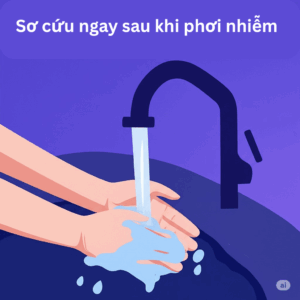
- If skin is exposed to blood/bodily fluid or a needle stick injury occurs: Immediately wash the exposed area repeatedly under running water and soap. Do not scrub hard (as this can spread the injury); instead, wash gently but thoroughly. You can also disinfect the wound with an antiseptic solution (70° alcohol, betadine…) if available.
- If blood/bodily fluid splashes into the eyes, mouth, or nose: Immediately wash with clean water or physiological saline. For the eyes, use 0.9% saline solution or clean water to rinse continuously for a few minutes (if an eyewash kit is available, that’s better). For the mouth, gargle repeatedly with clean water or saline, do not swallow the gargling liquid. For the nose, you can instill physiological saline and blow gently.
- Absolutely do not use strong detergents or unrecommended chemicals (such as bleach, acid…) on the exposed area, as this can cause further injury.
Step 2: Go to a Medical Facility as Soon as Possible
After first aid, go to the nearest medical facility immediately. Ideally, this should be within the first few hours after exposure. Do not wait or hesitate – every hour that passes, the effectiveness of PEP decreases (as mentioned, the best time is within the first 24 hours).
- Where to seek examination? Go to the nearest medical facility possible: any hospital or medical center can provide initial support. If in a large city, you can go directly to a specialized infectious disease hospital (such as the Hospital for Tropical Diseases, or National Hospital for Tropical Diseases) where PEP medication is readily available. Some private clinics specializing in HIV/STIs also provide PEP services. The most important thing is that you receive examination and medication as early as possible.
Step 3: Risk Assessment and Testing at a Medical Facility
At the medical facility, a doctor will conduct a very detailed assessment of the exposure risk. They may ask you about:
- The type of exposure situation (sexual intercourse, needle stick injury, etc.).
- Information about the source of infection (if known): For example, whether the partner is HIV-positive, or where the needle came from if it was an injection needle.
- The time the event occurred (to see if it is still within the 72-hour window).
The doctor will base their decision on these factors to determine whether to prescribe HIV post-exposure prophylaxis medication. If your situation is high-risk enough, the next step is a rapid HIV test:
- You will be given an HIV test (usually a rapid Ag/Ab combo test or antibody rapid test) immediately on-site. The purpose is to find out if you already have HIV. If the result is positive, it means you were infected with HIV previously, and PEP will not be necessary (the doctor will advise on transitioning to HIV treatment).
- If the result is negative, the doctor will proceed with giving you PEP.
- Note: In cases where the test result is not immediately available (e.g., must wait a few hours) but the risk is very high, the doctor may allow you to start the first dose of PEP immediately, without delay, to utilize the golden time.
Step 4: Receiving PEP Medication and Usage Instructions
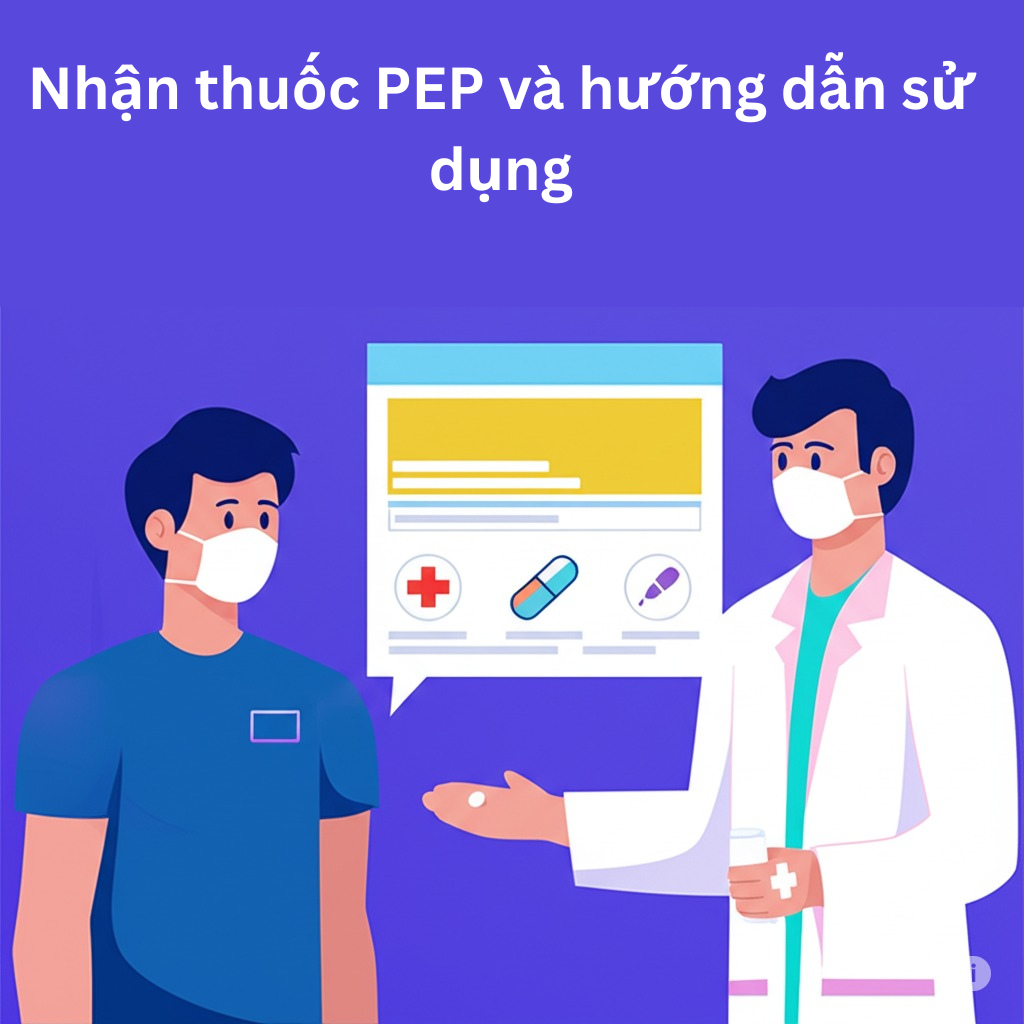
After assessment and deciding to prescribe PEP, the doctor will write a prescription for you. The standard PEP regimen currently consists of a combination of 3 anti-HIV drugs (the doctor will choose the most appropriate combination of 3 antiretroviral drugs). You will receive enough medication for the full 28-day course of treatment. Listen carefully to the healthcare staff’s instructions regarding:
- How to take the medication: How many pills to take per day, and at what time (usually taken once a day, at the same fixed time).
- Any necessary dietary restrictions: Some ARV drugs should be taken after a meal to reduce stomach irritation, and the doctor will advise if necessary.
- Possible side effects: As mentioned in a previous article, PEP medication can cause nausea, fatigue… Ask the doctor or pharmacist how to manage them if they occur (e.g., you might take an anti-nausea medication beforehand).
- Follow-up appointment schedule: You will usually be scheduled for a follow-up visit after about 2 weeks for the doctor to check your condition, ask about side effects, and encourage adherence.
- Cost of PEP: In Vietnam, PEP medication is not widely provided for free (except in some cases of occupational exposure under policy). The cost of PEP medication for 28 days can range from about 800,000 to 2,000,000 VND depending on the type of drug. Be prepared financially; if you face difficulties, you can ask the healthcare staff about possible support (some community projects or health insurance may cover part of the cost).
Step 5: Adhering to the 28-Day PEP Treatment
Now you have the medication – the next crucial step is taking the medication regularly for the full 28 days:
- Take it on time every day: Try to take the medication at the same time each day (e.g., 8 AM or 10 PM). You should set a reminder alarm to avoid forgetting.
- Do not miss a dose: If you accidentally miss a dose, take it as soon as you remember (if it’s not more than 24 hours late). If it has been over 24 hours, skip the missed dose and continue taking the next dose on time – do not double the dose to compensate. In case of a missed dose or any issue, you should inform your doctor for further consultation.
- Do not stop the medication on your own: Even if you experience mild side effects, absolutely do not stop the medication on your own before 28 days (stopping early can give the virus a chance to resurge).
- During the entire PEP course, you should also continue with safe practices to avoid creating new risks: always use a condom during sex, do not share needles, and do not donate blood during this period.
Step 6: Retesting and Follow-up After Completing PEP
After 28 days, you finish the PEP medication – you have completed the course. However, you cannot immediately confirm that you are HIV negative. The virus (if present) needs time to multiply to a detectable level through testing. Therefore, you will need to follow the post-PEP testing schedule:
- 4-6 weeks after exposure (i.e., about 2-4 weeks after finishing PEP): Take the first HIV test. A negative result at this time is a very good sign.
- 3 months after exposure: Take the second HIV test. If the result continues to be negative, you can be almost certain that you have not acquired HIV. (In a few special cases, the doctor may recommend an additional test at 6 months for complete certainty.)
What happens after PEP? If all test results are negative, you can breathe a sigh of relief. However, do not forget to continue maintaining safe behaviors to avoid future exposures. If you find yourself frequently in high-risk situations (e.g., job involving contact with blood, or having sex with an HIV-positive partner without consistent condom use), discuss with your doctor about switching to PrEP (pre-exposure prophylaxis) for long-term proactive protection. Finally, your safety after a risky exposure is a valuable experience. Share your knowledge about PEP and other HIV prevention measures with those around you (friends, family) to collectively raise awareness.
Common Mistakes When Using PEP
Although PEP is a powerful measure for HIV post-exposure prophylaxis, incorrect use can reduce its effectiveness or even lead to failure. Here are common mistakes to absolutely avoid:
- Delaying the start of HIV post-exposure prophylaxis: This is the most serious mistake. Many people hesitate or are complacent, not getting the medication immediately after exposure. As emphasized, PEP must be started as soon as possible – ideally within the first 24 hours, and no later than 72 hours. Every hour of delay reduces the ability to stop the virus. If started after 72 hours, PEP is almost ineffective.
- Insufficient adherence to the regimen (missed doses, stopping early): Some people start treatment but then forget to take their daily medication, or stop the medication when they feel healthy. This is a dangerous mistake: HIV post-exposure prophylaxis medication must be taken regularly every day for 28 days. Missing a dose or stopping the medication early will result in insufficient drug concentration to inhibit the virus, severely reducing protective efficacy. (If you miss a dose and remember within < 24 hours, take it immediately; if it is too late, inform your doctor – and absolutely do not double the dose the next day.)
- Using medication without a doctor’s prescription: PEP is a prescription drug that requires a doctor’s assessment and guidance. Buying and taking the medication on your own without medical consultation can lead to using the wrong type of drug, incorrect dosage, or overlooking dangerous drug interactions. You should always obtain PEP through a reputable healthcare facility – the doctor will choose the appropriate regimen and monitor you during use.
- Using PEP in place of regular prevention: Some people misuse PEP as a “safety pill” every time they have unprotected sex, instead of adopting safety measures from the start. Remember that PEP is only for emergency situations, not a long-term solution for individuals with repetitive high-risk behavior. If you are regularly at high risk, switch to PrEP (pre-exposure prophylaxis) for more effective protection instead of using PEP multiple times.
- Continuing high-risk behavior while on HIV post-exposure prophylaxis medication: PEP only protects you for the exposure that occurred before. If you continue to have unprotected sex or share needles during the 28 days of treatment, you can contract HIV from new exposures (which the current PEP does not cover). Therefore, while on PEP and until confirmed negative, strictly adhere to safety measures (use condoms, do not share needles) to avoid putting yourself at risk again.
- Failing to inform the doctor about current medications or underlying medical conditions: Some people are hesitant to share that they are taking other medications (e.g., birth control pills, other treatment drugs, supplements, herbs) or have medical conditions (liver, kidney…). This can lead the doctor to prescribe sub-optimal PEP or overlook drug interactions. The consequence can be reduced PEP efficacy or increased side effects. Therefore, be honest and provide complete health information to the doctor when consulting about PEP.
- Failing to monitor and report side effects: Most PEP side effects are mild and will resolve, but occasionally some people experience significant discomfort (such as severe nausea, extreme fatigue, rash…). A few cases of severe side effects require a change of medication. The mistake is enduring in silence or arbitrarily stopping the medication without informing the doctor. Instead, you should report immediately if you experience any unusual or overly uncomfortable symptoms – the doctor can help manage them or switch to a safer alternative for you.
Avoiding these mistakes is the key to ensuring PEP achieves maximum efficacy and protects your health.
This article is written by Dr Đỗ Hữu Đạt. The doctor has many years of in-depth experience in reproductive and sexual health care.
Related news
Hepatitis C: Do Not Ignore It!
Hepatitis C is a liver inflammation caused by the Hepatitis C virus (HCV). You can contract the virus through contact with infected blood. Most people with HCV have no symptoms. Crucial Fact: There is currently no vaccine for Hepatitis C. The best prevention is avoiding high-risk behaviors. However, testing and treatment can prevent complications and […]
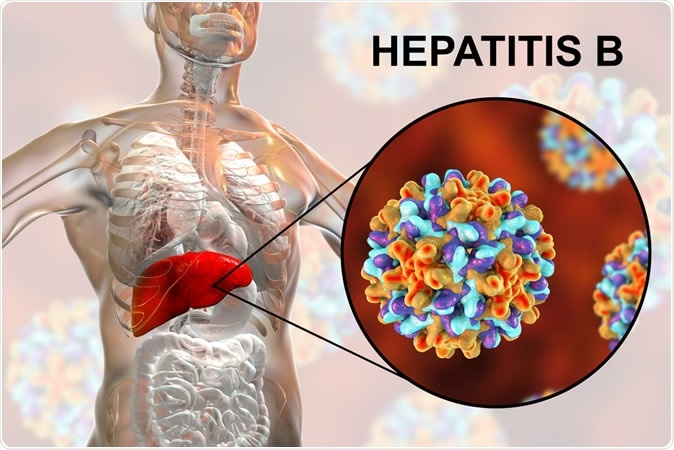
Hepatitis B: A Comprehensive Guide
Hepatitis B is a liver disease caused by the Hepatitis B Virus (HBV). Infection can be short-term (acute) or long-term (chronic). One in two people with Hepatitis B do not know they are infected. HBV is highly contagious and spreads through contact with infected blood and body fluids. Vaccination is the best way to prevent […]
The Invisible Enemy: Chlamydia in Women and the Silent Threat of Infertility
Most of us tend to think that if there are no unusual symptoms, the body is perfectly healthy. However, the truth is that there is an invisible ‘enemy’ silently hiding in your body, capable of causing serious consequences, even infertility. That is Chlamydia, one of the most common sexually transmitted diseases (STDs) in women. Chlamydia […]
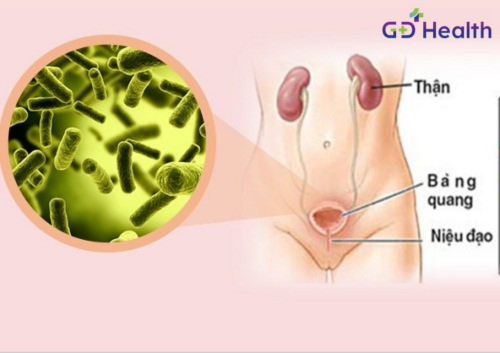
Urinary Tract Infection-UTI
Urinary Tract Infection (UTI), also known as urinary tract infection or urinary infection, is one of the most common infections globally, affecting millions each year worldwide, with a significant financial burden on society. The disease occurs when bacteria invade any part of the urinary system, including the kidneys, ureters, bladder, and urethra. Although usually treatable, […]
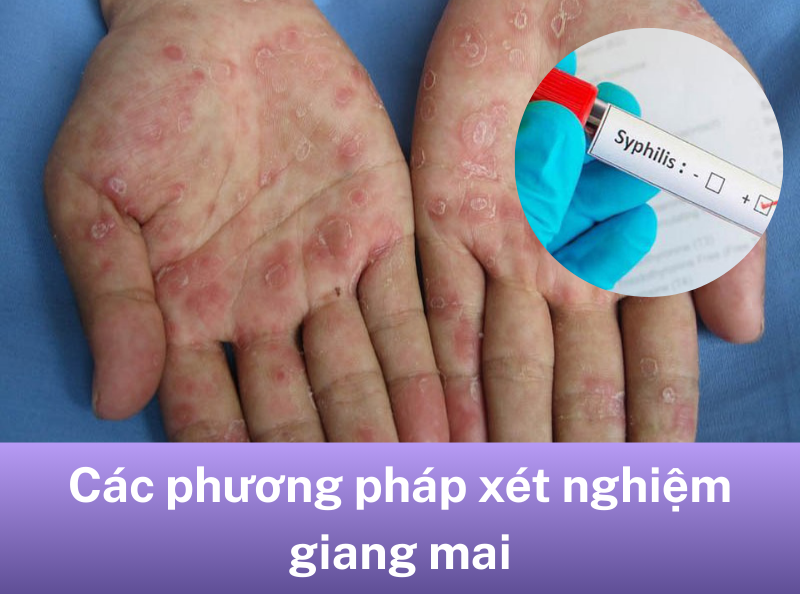
Syphilis Testing: Current Methods, Pros & Cons, and What You Need to Know
Syphilis is one of the common sexually transmitted infections (STIs) that can progress silently but leave serious consequences if not detected and treated promptly. Regular syphilis testing helps with early diagnosis, protecting your health and that of your partner. This article will help you understand the current syphilis testing methods, the pros and cons of […]

Persistent Sore Throat That Won’t Go Away? Do Not Ignore It – You Might Have Chlamydia!
Have you ever had a sore throat that dragged on for weeks, visiting multiple doctors without finding the cause? Even antibiotics didn’t help? It is very likely that the culprit is not the flu, a virus, or common bacteria – but a sexually transmitted infection called Chlamydia. Chlamydia doesn’t just “hide” in the genital area. […]
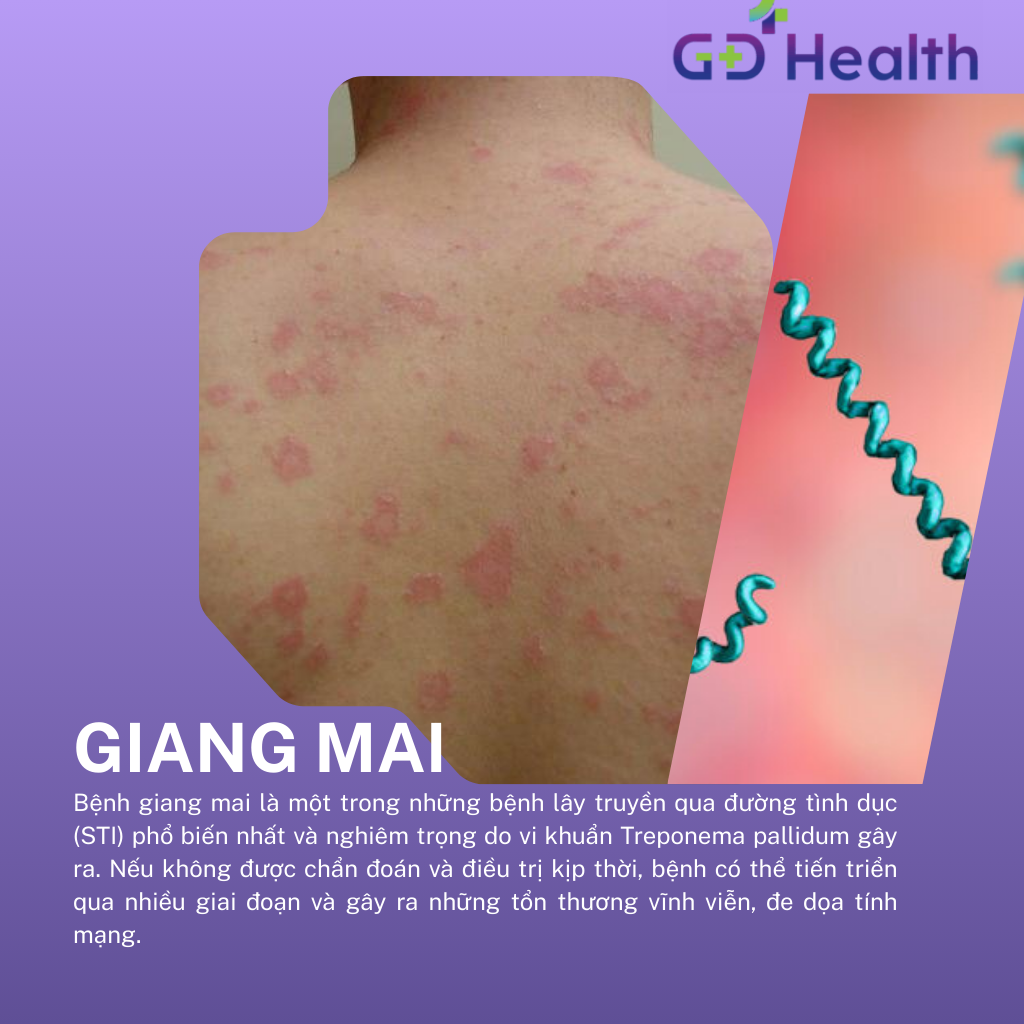
Syphilis Overview
Syphilis is one of the most common and serious Sexually Transmitted Infections (STIs), caused by the bacterium Treponema pallidum. If not diagnosed and treated promptly, the disease can progress through multiple stages, causing permanent damage and threatening life. 1. What is Syphilis?? Syphilis is an infection caused by the spirochete bacterium Treponema pallidum. The disease can […]
Chlamydia: A Comprehensive Overview
Chlamydia is one of the most common Sexually Transmitted Infections (STIs) worldwide, caused by the bacterium Chlamydia trachomatis. It is preventable and curable, spreading mainly through unprotected vaginal, oral, and anal sex. 1. What is Chlamydia? Chlamydia is a common sexually transmitted infection (STI) that can occur in both men and women, caused by the […]
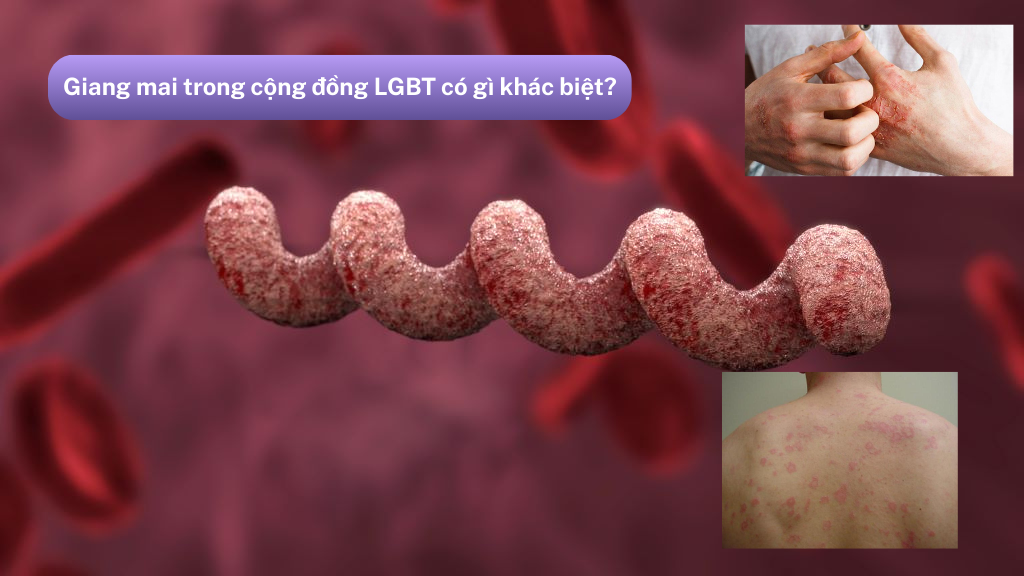
Syphilis in the LGBT Community: Are Signs, Symptoms, and Treatment Different?
1. Syphilis and the LGBT Community? Syphilis is a sexually transmitted infection (STI) caused by the bacterium Treponema pallidum. Although it affects all population groups, the rate of syphilis infection is higher in the LGBT community, especially among men who have sex with men (MSM), due to certain sexual behavioral characteristics and barriers to healthcare access. […]
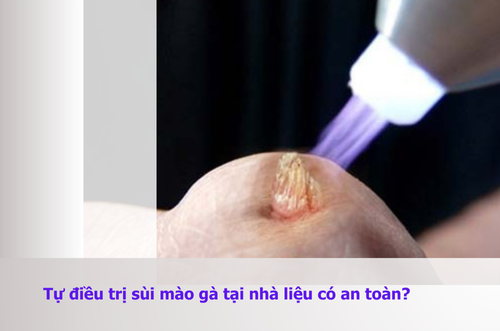
Can Genital Warts Be Treated at Home?
1. What are Genital Warts? Genital warts, also called venereal warts or anogenital warts, are a common sexually transmitted infection (STIs) caused by the Human Papillomavirus (HPV). Although most HPV infections are clinically asymptomatic, HPV types 6 and 11 are responsible for about 90% of visible genital wart cases. It is important to note that other HPV types, […]