




Submit your info or message us on Zalo or Messenger
Can Gonorrhea Be Cured? 2025 Update
Health bulletin
07/07/2025
Can Gonorrhea Be Cured?
“Can gonorrhea be cured?” is the biggest question for many patients facing this condition. In reality, gonorrhea is completely curable with appropriate medical treatment combined with abstinence as prescribed by a doctor.
To understand this better, this article will explain what gonorrhea is, how it spreads, the symptoms in men and women, and the most effective medical treatments. The disease cannot resolve on its own without medical intervention and risks progressing to dangerous complications. Therefore, early detection and control are essential to protect your health.
1. What is Gonorrhea?
So, what is gonorrhea? It is one of the most common Sexually Transmitted Infections (STIs), caused by a bacterium named Neisseria gonorrhoeae. This bacterium can grow in warm, moist areas of the body such as the reproductive tract, mouth, throat, eyes, and anus.
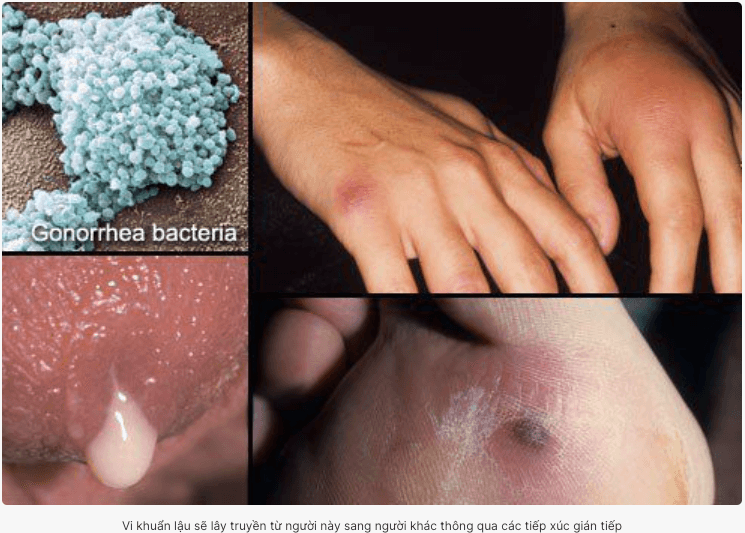
2. How is Gonorrhea Transmitted?
Understanding transmission routes helps you prevent the disease effectively. The common question “How does gonorrhea spread?” has the following answers:
- Unsafe Sex: This is the primary route of transmission, including vaginal, anal, and oral sex with an infected person.
- Mother to Child: A pregnant woman with gonorrhea can pass the disease to her baby during vaginal childbirth.
- Indirect Contact (Rare): Although rare, gonorrhea bacteria can survive for a short time on moist objects like towels or underwear and potentially cause infection if shared immediately after use by an infected person.
A dangerous factor is that many people infected with gonorrhea have no clear symptoms, making them unintentional sources of infection for others.
3. Signs and Symptoms of Gonorrhea
Signs of gonorrhea usually appear 2 to 14 days after infection. However, symptoms differ significantly between men and women.
- Symptoms in Men
-
- Gonorrhea in men usually presents with clearer signs, including:
- Burning sensation or pain when urinating.
- Pus-like discharge from the tip of the penis (white, yellow, or green).
- Pain or swelling in one testicle (less common).
- The opening of the penis (meatus) becomes red and swollen.
- Symptoms in Women
-
- Conversely, symptoms in women are often very vague or non-existent, easily mistaken for common vaginal or bladder infections. Symptoms may include:
- Painful or burning urination.
- Abnormal increase in vaginal discharge (watery, white, or yellow).
- Vaginal bleeding between periods.
- Lower abdominal or pelvic pain.
- Pain during sexual intercourse.

Diagnosis: Accurate Testing Methods
Because symptoms can be unclear or absent, the only way to know for sure if you have gonorrhea is through medical testing. A doctor will advise on the most suitable method, typically including:
- Urine Test: A common, quick, and painless method, particularly effective in men for detecting bacteria in the urethra.
- Swab Test: The doctor uses a specialized swab to collect fluid samples from suspected infection sites such as:
- Cervix (in women)
- Urethra (in men)
- Throat
- Anus
These samples are sent to a lab for analysis, usually via Nucleic Acid Amplification Test (NAAT). This is considered the “Gold Standard” due to its high sensitivity and accuracy, capable of detecting the genetic material (DNA) of the bacteria even in small quantities.
Note: When visiting a clinic, doctors often recommend testing for other STIs simultaneously, such as Chlamydia, Syphilis, and HIV, as co-infection is quite common.

4. Effective and Safe Treatment Methods
Once diagnosed, adhering strictly to the treatment plan prescribed by the doctor is the deciding factor. Absolutely do not self-medicate or use unverified folk remedies.
The current standard treatment involves high-dose antibiotics, typically a single intramuscular injection, to ensure efficacy and combat antibiotic resistance. The most common regimen is:
Single intramuscular dose of Ceftriaxone.
Additionally, because gonorrhea is often accompanied by Chlamydia infection, the doctor may prescribe an additional oral antibiotic (such as Doxycycline) for 7 days to treat both diseases simultaneously.
Important Post-Treatment Note: You must abstain from sex for at least 7 days and ensure your partner has also been tested and treated completely to avoid reinfection.
If you experience any of the gonorrhea symptoms mentioned above, do not hesitate or feel ashamed. See a specialist immediately for diagnosis and appropriate treatment to protect your health and that of your loved ones.
This article is written by Dr Đỗ Hữu Đạt. The doctor has many years of in-depth experience in reproductive and sexual health care.
Related news
Hepatitis C: Do Not Ignore It!
Hepatitis C is a liver inflammation caused by the Hepatitis C virus (HCV). You can contract the virus through contact with infected blood. Most people with HCV have no symptoms. Crucial Fact: There is currently no vaccine for Hepatitis C. The best prevention is avoiding high-risk behaviors. However, testing and treatment can prevent complications and […]
Hepatitis B: A Comprehensive Guide
Hepatitis B is a liver disease caused by the Hepatitis B Virus (HBV). Infection can be short-term (acute) or long-term (chronic). One in two people with Hepatitis B do not know they are infected. HBV is highly contagious and spreads through contact with infected blood and body fluids. Vaccination is the best way to prevent […]
The Invisible Enemy: Chlamydia in Women and the Silent Threat of Infertility
Most of us tend to think that if there are no unusual symptoms, the body is perfectly healthy. However, the truth is that there is an invisible ‘enemy’ silently hiding in your body, capable of causing serious consequences, even infertility. That is Chlamydia, one of the most common sexually transmitted diseases (STDs) in women. Chlamydia […]
Urinary Tract Infection-UTI
Urinary Tract Infection (UTI), also known as urinary tract infection or urinary infection, is one of the most common infections globally, affecting millions each year worldwide, with a significant financial burden on society. The disease occurs when bacteria invade any part of the urinary system, including the kidneys, ureters, bladder, and urethra. Although usually treatable, […]

Syphilis Testing: Current Methods, Pros & Cons, and What You Need to Know
Syphilis is one of the common sexually transmitted infections (STIs) that can progress silently but leave serious consequences if not detected and treated promptly. Regular syphilis testing helps with early diagnosis, protecting your health and that of your partner. This article will help you understand the current syphilis testing methods, the pros and cons of […]

Persistent Sore Throat That Won’t Go Away? Do Not Ignore It – You Might Have Chlamydia!
Have you ever had a sore throat that dragged on for weeks, visiting multiple doctors without finding the cause? Even antibiotics didn’t help? It is very likely that the culprit is not the flu, a virus, or common bacteria – but a sexually transmitted infection called Chlamydia. Chlamydia doesn’t just “hide” in the genital area. […]

Syphilis Overview
Syphilis is one of the most common and serious Sexually Transmitted Infections (STIs), caused by the bacterium Treponema pallidum. If not diagnosed and treated promptly, the disease can progress through multiple stages, causing permanent damage and threatening life. 1. What is Syphilis?? Syphilis is an infection caused by the spirochete bacterium Treponema pallidum. The disease can […]

Chlamydia: A Comprehensive Overview
Chlamydia is one of the most common Sexually Transmitted Infections (STIs) worldwide, caused by the bacterium Chlamydia trachomatis. It is preventable and curable, spreading mainly through unprotected vaginal, oral, and anal sex. 1. What is Chlamydia? Chlamydia is a common sexually transmitted infection (STI) that can occur in both men and women, caused by the […]
Syphilis in the LGBT Community: Are Signs, Symptoms, and Treatment Different?
1. Syphilis and the LGBT Community? Syphilis is a sexually transmitted infection (STI) caused by the bacterium Treponema pallidum. Although it affects all population groups, the rate of syphilis infection is higher in the LGBT community, especially among men who have sex with men (MSM), due to certain sexual behavioral characteristics and barriers to healthcare access. […]

Can Genital Warts Be Treated at Home?
1. What are Genital Warts? Genital warts, also called venereal warts or anogenital warts, are a common sexually transmitted infection (STIs) caused by the Human Papillomavirus (HPV). Although most HPV infections are clinically asymptomatic, HPV types 6 and 11 are responsible for about 90% of visible genital wart cases. It is important to note that other HPV types, […]