




Submit your info or message us on Zalo or Messenger
Genital Warts: Everything You Need to Know
Health bulletin
19/07/2025
1. What is Genital Warts?
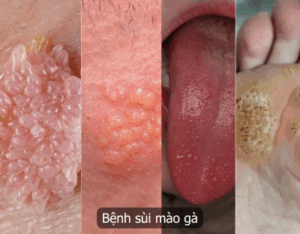
Genital warts, also known as venereal warts, are a common sexually transmitted infection (STI) caused by the Human Papillomavirus (HPV).
- HPV Strains:
- According to the U.S. Centers for Disease Control and Prevention (CDC) and the World Health Organization (WHO), there are over 150 HPV types, with at least 40 infecting the genital area [1], [2].
- HPV strains are categorized into 2 groups: “high-risk” HPV and “low-risk” HPV.
- “High-risk” HPV, such as HPV 16 and 18, account for 70% of cervical cancer cases in women.
- “Low-risk” HPV, such as HPV 6 and 11, account for 90% of genital warts cases in the genital, anal, throat, mouth, and tongue regions.
- Infection Status:
- In the United States, 5.6% of sexually active adults aged 18-59 self-reported a past diagnosis of genital warts, and an estimated 1% of U.S. adults aged 18-45 have genital warts at any given time [3]. The annual incidence rate of new and recurrent genital warts is nearly 200 per 100,000 people/year. [4]
- The incidence rate peaks before age 24 in women and between ages 25 and 29 in men. The combined global HPV prevalence in men is 31% for any HPV type and 21% for high-risk HPV. [5]
- In Ho Chi Minh City, the Dermatology Hospital recorded the highest number of genital wart cases from 2020 to 2023, peaking in 2023 with nearly 40,000 cases. [6]
2. Risk Factors
Genital warts are primarily transmitted through sexual intercourse (vaginal, anal, oral) with an infected person, or through skin-to-skin contact during sex. Additionally, the disease may be transmissible through indirect contact with virus-contaminated personal items such as clothing, towels, or sex toys. Transmission can occur even without obvious warts or symptoms, as the incubation period often lasts from 2 weeks to 8 months, with an average of 2-3 months after infection. [7]
- Key risk factors include:
- Sexual activity: This is the primary risk factor; having multiple sexual partners significantly increases the risk of HPV infection and genital warts.
- Immunosuppression: Individuals with weakened immune systems (e.g., people with HIV or other underlying conditions) are less able to fight off HPV, leading to persistent infection and potentially severe or recurrent genital warts.
- STI Co-infection: The presence of other STIs (e.g., Chlamydia, Gonorrhea, Syphilis) may increase susceptibility to HPV and the progression of the disease.
- Substance Abuse: Smoking and excessive alcohol consumption can weaken the immune system, increasing the likelihood of HPV infection and the development of genital warts.
- Pregnancy: Pregnant women with HPV infection may develop genital warts or abnormal cervical cell changes.
- Sharing Personal Hygiene Items: Sharing clothing, underwear, towels, toothbrushes, sex toys, etc., with a person who has genital warts may transmit the disease.
Although genital warts are generally benign, they impose significant psychological, aesthetic, and sexual quality-of-life burdens. The HPV strains that cause genital warts can also co-exist with high-risk HPV strains, which have the potential to cause cancer (cervical, penile, anal, oropharyngeal, oral, and tongue cancers).
3. Typical Symptoms
General symptoms in both men and women include:
- Appearance of warts: This is the most characteristic symptom. Initially, the warts are often tiny, pink or white bumps, soft, causing no pain or itching.
- Location of appearance: Warts usually appear in the genital area, around the anus, or in the surrounding region. However, they can also grow in other locations such as the oral cavity, throat, lips, tongue (due to oral sex).
- Wart development: Over time, the warts may grow larger, merge together into patches, taking on shapes resembling a rooster’s comb, cauliflower, or clusters of grapes.
- No pain in the early stage: In the early stage, warts typically cause no pain or itching, leading many people to be complacent and ignore them.
- May bleed or discharge pus: When the warts grow large and are rubbed, they can easily become scratched, bleed, or discharge fluid with a foul odor, causing discomfort and risking secondary infection.
- May be accompanied by symptoms of other sexually transmitted diseases.
3.1. Symptoms of Genital Warts in Men:
In men, genital warts commonly appear in the following locations:
- Penis: Including the penile shaft, glans, coronal sulcus, and foreskin.
- Scrotum: Warts can grow on the scrotal skin.
- Anus and rectum: Especially common in men who have sex with men or engage in anal sex.
- Groin, thighs: Warts can spread to the surrounding skin areas.
- Urethra: In some cases, warts can grow inside the urethra, causing difficulty or pain during urination, or bleeding during urination.
3.2. Symptoms of Genital Warts in Women:
In women, genital warts can be harder to detect in the early stages because the warts may grow in hidden areas (genitals):
- Labia majora, labia minora: Warts often appear in this skin area.
- Clitoris, vulva: This area is also a common place for genital warts to develop.
- Cervix and vagina: These are locations difficult to observe with the naked eye, often only detected during a gynecological examination. Cervical warts carry a high risk of causing cervical cancer if not treated promptly.
- Perineum, pelvic floor (Area between the anus and vulva) and anus: Similar to men, warts can appear in this area, especially in people who engage in anal sex.
4. Diagnosis
The diagnosis of genital warts is usually based on:
- Clinical examination: The doctor will examine the warts and the surrounding skin area.
- Testing:
- HPV-PCR Test: HPV often does not show clear clinical symptoms because the incubation period is quite long, and many people are unaware they carry the disease. Even when warts are visible, the HPV-PCR test remains very valuable in identifying the presence of the HPV virus and its strain (high or low risk), and it is especially important for screening cervical cancer risk in women. (HPV Testing Package)
- STI Screening: People with genital warts may have an immunocompromised status or display diverse symptoms due to co-infection with other sexually transmitted diseases like HIV, Gonorrhea, Syphilis, Chlamydia… Comprehensive STI screening is recommended to help detect other diseases early for more effective treatment. (STI Screening Package).
- Biopsy: Taking a small tissue sample from the wart for microscopic examination helps accurately confirm the diagnosis and rule out other conditions in cases of atypical lesions, lesions highly suspicious of cancer, or after genital wart treatment has failed to respond and the condition worsens.
5. Complications
- Pre-cancer and Cancer: This is the most frightening complication, especially cervical, vulvar, and vaginal cancer in women, penile cancer in men, anal cancer, and oropharyngeal, oral, and tongue cancers.
- Bowenoid Papulosis (Sẩn dạng Bowen): This is a precancerous epithelial lesion in the anogenital area, caused by high-risk HPV types.
- Giant Condyloma (Buschke-Lowenstein tumor): This is very rare and is considered a form of papillary squamous cell carcinoma caused by HPV 6 and 11. The disease is characterized by invasion down into the dermis. The pathology shows areas of benign papular tissue interspersed with foci of abnormal epithelial cells or squamous cell carcinoma (SCC) differentiated cells. Diagnosis of Buschke-Lowenstein tumor requires multiple site biopsies, computed tomography (CT) or magnetic resonance imaging (MRI).
- Impact on Reproductive Health: Can cause infertility in both men and women. For pregnant women, the disease increases the risk of miscarriage, premature birth, and can be transmitted to the child during delivery, causing recurrent respiratory papillomatosis in infants.
- Impact on Daily Life and Quality of Life: Causes pain, discomfort, bleeding, inflammation, and ulceration. Psychologically, genital warts cause significant psychological stress, often outweighing the medical consequences. Patients may experience low self-esteem, depression, sexual anxiety, reduced sexual desire, and a negative body image.
- Difficulty in Treatment and High Risk of Recurrence: The HPV virus often persists, making the disease difficult to treat definitively and prone to recurrence, which is costly and affects mental well-being.
6. Treatment
Currently, there is no specific treatment method to completely eliminate the HPV virus from the body. However, current treatment methods focus on removing the genital wart lesions, controlling symptoms, and preventing recurrence. The choice of treatment method depends on the patient’s age, the location, number, and size of the lesions, cost, and the professional capability and equipment of the treatment facility.
|
Lesion Location |
Treatment Options |
|
| External Genitals, Anus |
|
|
| Internal Genital Tract, Anal Canal | Urethra |
|
| Vagina |
|
|
| Cervix |
|
|
| Anal Canal |
|
|
| Oral, Tongue, Pharyngeal Mucosa |
|
|
(1) Patient Self-Application at Home: (For small, scattered genital warts, not very painful, no discharge, no ulceration. Total area ≤10 cm², <10 lesions)
(2) Destructive/Ablative Methods: (By scalpel, scissors, curettage, laser, electrocautery)
(3) TCA or BCA: (Trichloroacetic or bichloroacetic)
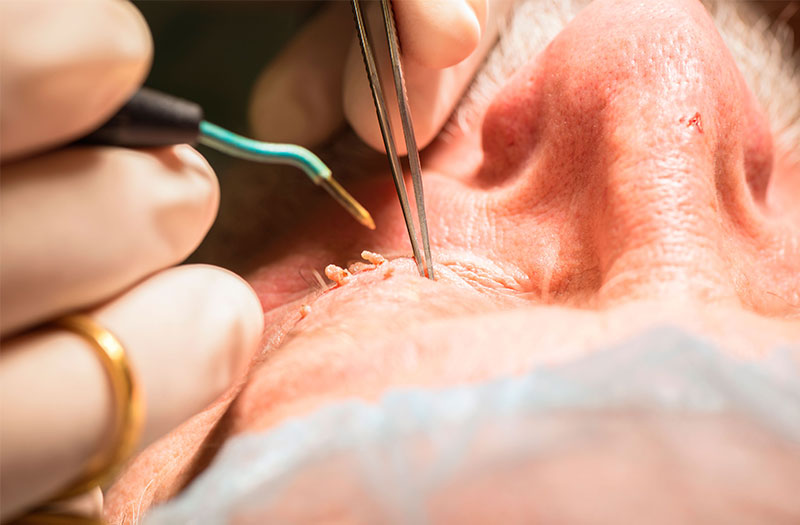
Post-Treatment Care:
- Keep the injured area clean and dry, avoiding vigorous rubbing.
- Enhance nutrition, especially foods rich in vitamins C, E, and zinc to boost the immune system.
Post-Treatment Follow-up: Genital warts usually respond to treatment within 3 months, but this can be influenced by the patient’s immune status and treatment adherence.
- Immediately after treatment: Re-examination after 1-2 weeks to check the wound and monitor treatment response.
- Routine follow-up:
- First 3 months: Re-examination every 2 weeks due to the high risk of recurrence.
- After 3 consecutive months without new lesions: Considered stable, but continued monitoring is still necessary.
- Long-term follow-up: Regular health check-ups, especially male or gynecological exams every 6-12 months or as directed by the doctor, as the HPV virus can persist and recur.
7. Prevention
Prevention is a key factor in controlling genital warts and HPV-related diseases.
- Sexual Abstinence: Abstinence from sexual intercourse is advised for at least 2-4 weeks, or until the wound is completely healed, to avoid damaging the newly recovered skin area and prevent infection/reinfection.
- Safe Sex: Use latex condoms correctly every time you have sexual intercourse. Maintain mutual monogamy, and limit the number of sexual partners.
- Healthy Lifestyle: Supplement with adequate nutrition, especially vitamins like vitamin C, minerals, eat plenty of green vegetables and fruits to boost the immune system. Avoid excessive alcohol, tobacco, and stimulants. Ensure sufficient rest and sleep, and avoid stress. Exercise regularly to improve overall health.
- Partner Notification: If you have a sexual partner, you need to inform them so they can get tested and treated if necessary, to avoid cross-infection.
- HPV Vaccination: If not yet vaccinated, consult a doctor about getting the HPV vaccine (e.g., Gardasil 9) to prevent new HPV strains you have not yet been infected with, helping reduce the risk of recurrence and preventing HPV-related cancers.
This article is written by BS. CKI. Võ Nguyễn Duy Hoà, a specialist in General Surgery, Urology, and Andrology. The doctor has many years of experience in the field of reproductive and sexual health.
Reference
- [1]. https://www.cdc.gov/std/treatment-guidelines/hpv.htm
- [2]. https://www.who.int/news-room/fact-sheets/detail/human-papilloma-virus-and-cancer
- [3]. Incidence and Human Papillomavirus (HPV) Type Distribution of Genital Warts in a Multinational Cohort of Men: The HPV in Men Study | The Journal of Infectious Diseases | Oxford Academic, https://academic.oup.com/jid/article/204/12/1886/1021497
- [4]. Systematic review of the incidence and prevalence of genital warts – https://pmc.ncbi.nlm.nih.gov/articles/PMC3618302/
- [5]. https://www.who.int/news/item/01-09-2023-one-in-three-men-worldwide-are-infected-with-genital-human-papillomavirus
- [6]. https://medinet.hochiminhcity.gov.vn/phong-chong-dich-benh/tphcm-trien-khai-ke-hoach-hoat-dong-phong-chong-cac-nhiem-khuan-lay-truyen-qua-c2-72380.aspx
- [7]. Anic, G. M., & Giuliano, A. R. (2011). Genital HPV infection and related lesions in men. Preventive medicine, 53 Suppl 1(Suppl 1), S36–S41. https://doi.org/10.1016/j.ypmed.2011.08.002
- [8]. Quyết định số 5185/QĐ-BYT ngày 01/12/2021 của Bộ Y tế về việc ban hành “Hướng dẫn chẩn đoán và điều trị bệnh Sùi mào gà”
Related news
Hepatitis C: Do Not Ignore It!
Hepatitis C is a liver inflammation caused by the Hepatitis C virus (HCV). You can contract the virus through contact with infected blood. Most people with HCV have no symptoms. Crucial Fact: There is currently no vaccine for Hepatitis C. The best prevention is avoiding high-risk behaviors. However, testing and treatment can prevent complications and […]
Hepatitis B: A Comprehensive Guide
Hepatitis B is a liver disease caused by the Hepatitis B Virus (HBV). Infection can be short-term (acute) or long-term (chronic). One in two people with Hepatitis B do not know they are infected. HBV is highly contagious and spreads through contact with infected blood and body fluids. Vaccination is the best way to prevent […]
The Invisible Enemy: Chlamydia in Women and the Silent Threat of Infertility
Most of us tend to think that if there are no unusual symptoms, the body is perfectly healthy. However, the truth is that there is an invisible ‘enemy’ silently hiding in your body, capable of causing serious consequences, even infertility. That is Chlamydia, one of the most common sexually transmitted diseases (STDs) in women. Chlamydia […]
Urinary Tract Infection-UTI
Urinary Tract Infection (UTI), also known as urinary tract infection or urinary infection, is one of the most common infections globally, affecting millions each year worldwide, with a significant financial burden on society. The disease occurs when bacteria invade any part of the urinary system, including the kidneys, ureters, bladder, and urethra. Although usually treatable, […]
Syphilis Testing: Current Methods, Pros & Cons, and What You Need to Know
Syphilis is one of the common sexually transmitted infections (STIs) that can progress silently but leave serious consequences if not detected and treated promptly. Regular syphilis testing helps with early diagnosis, protecting your health and that of your partner. This article will help you understand the current syphilis testing methods, the pros and cons of […]

Persistent Sore Throat That Won’t Go Away? Do Not Ignore It – You Might Have Chlamydia!
Have you ever had a sore throat that dragged on for weeks, visiting multiple doctors without finding the cause? Even antibiotics didn’t help? It is very likely that the culprit is not the flu, a virus, or common bacteria – but a sexually transmitted infection called Chlamydia. Chlamydia doesn’t just “hide” in the genital area. […]
Syphilis Overview
Syphilis is one of the most common and serious Sexually Transmitted Infections (STIs), caused by the bacterium Treponema pallidum. If not diagnosed and treated promptly, the disease can progress through multiple stages, causing permanent damage and threatening life. 1. What is Syphilis?? Syphilis is an infection caused by the spirochete bacterium Treponema pallidum. The disease can […]
Chlamydia: A Comprehensive Overview
Chlamydia is one of the most common Sexually Transmitted Infections (STIs) worldwide, caused by the bacterium Chlamydia trachomatis. It is preventable and curable, spreading mainly through unprotected vaginal, oral, and anal sex. 1. What is Chlamydia? Chlamydia is a common sexually transmitted infection (STI) that can occur in both men and women, caused by the […]
Syphilis in the LGBT Community: Are Signs, Symptoms, and Treatment Different?
1. Syphilis and the LGBT Community? Syphilis is a sexually transmitted infection (STI) caused by the bacterium Treponema pallidum. Although it affects all population groups, the rate of syphilis infection is higher in the LGBT community, especially among men who have sex with men (MSM), due to certain sexual behavioral characteristics and barriers to healthcare access. […]
Can Genital Warts Be Treated at Home?
1. What are Genital Warts? Genital warts, also called venereal warts or anogenital warts, are a common sexually transmitted infection (STIs) caused by the Human Papillomavirus (HPV). Although most HPV infections are clinically asymptomatic, HPV types 6 and 11 are responsible for about 90% of visible genital wart cases. It is important to note that other HPV types, […]