




Submit your info or message us on Zalo or Messenger
How Does PEP Work and How Effective Is It?
Health bulletin
19/07/2025
This article explains the mechanism of PEP (Post-Exposure Prophylaxis) – how ARV drugs block the HIV virus after exposure – and evaluates the effectiveness of PEP. Additionally, we will explore common side effects associated with PEP, helping you mentally prepare and use the medication safely.
Mechanism of Action of PEP
Immediately after HIV enters the body, the virus needs time to replicate itself and “take root.” Typically, HIV begins to multiply vigorously in blood cells and tissues within the first 1-2 days after exposure. If the virus manages to replicate sufficiently and invade key immune cells (such as CD4 cells), it will establish a permanent infection in the body.
PEP works like a “race against the clock” with the virus. By introducing antiretroviral (ARV) drugs into the body as early as possible, PEP blocks HIV right at the initial steps of the infection cycle. The ARV drugs in the PEP regimen will:
- Penetrate the blood and tissues, reaching the areas where the virus might be present (e.g., genital tissue, rectum – the initial site of exposure).
- Block the process of HIV replication inside the cells. Each type of ARV drug has its own mechanism (blocking viral entry into the cell, preventing genetic material duplication, or hindering the assembly of new viruses…), working in combination to suppress the viral load.
The result is that, if started early enough, PEP will keep the viral count very low. The few viruses that initially entered will not produce any more copies and will die off according to their natural life cycle. This prevents the body from establishing a long-term HIV infection.
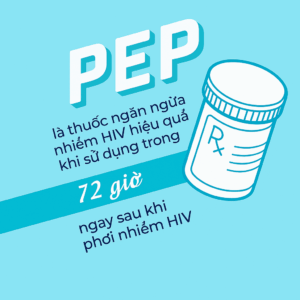
The deciding factor here is time. PEP is like slamming the door shut just before the intruder can hide inside the house. Research shows that if PEP is taken within the first 24 hours, the efficacy is highest; taking it within 24-48 hours is still very effective; and from 48-72 hours, the efficacy gradually decreases but still offers significant benefit. Beyond 72 hours, the door has closed – the virus may have “taken root” – so PEP has almost no chance of defeating the virus.
How Effective is PEP in Preventing HIV?
When used correctly, PEP is a very effective measure to prevent HIV infection. Studies and real-world reports show that: If PEP is started promptly and the full 28-day course is completed, the risk of HIV infection can be reduced by over 80% compared to doing nothing. Some optimistic data even suggests the efficacy can reach about 90% or more.
However, PEP is not 100% effective. There are still rare cases where individuals who took PEP later tested positive for HIV. These failures usually occur in people who started PEP too late (near or after 72 hours) or did not adhere to the full 28-day course of medication (missed multiple doses).
This emphasizes that, for PEP to achieve its maximum effect, you need to:
- Start as soon as possible after exposure (don’t wait until the 72-hour window is almost over to go).
- Strictly adhere to the treatment regimen: take the full dose of medication every day for 28 days, on time according to instructions. If you miss a dose, you need to consult a doctor; absolutely do not arbitrarily stop the course.
A frequently asked question is: “If I take PEP, am I absolutely guaranteed not to get HIV?” – The answer is almost certainly, but no one can say absolutely 100%. You can rest assured that the majority of people who use PEP correctly do not get HIV. Alongside this, continue to practice other safety measures (such as using condoms) throughout the duration of PEP use, as PEP only protects against the exposure that has already occurred, not against new risks during the 4 weeks of treatment.
Side Effects When Using PEP
Side Effects When Using PEP
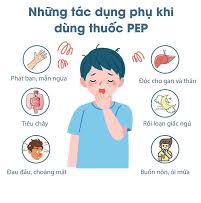
The common PEP regimen today usually consists of a combination of 3 ARV drugs. Like any medication, ARVs can cause some side effects. The good news is that most side effects of PEP are mild and manageable. Many people who use PEP do not experience any significant issues; if they do, symptoms usually appear in the first week and subside as the body gets used to the medication. Common side effects include:
- Nausea, vomiting, or loss of appetite: You may feel stomach discomfort or nausea in the first few days.
- Fatigue, dizziness, or headache: The body may feel a bit sluggish, have poor concentration, or slight lightheadedness.
- Digestive disorders: Many people experience loose stools or mild diarrhea, or bloating in the initial period of taking the medication.
- Insomnia or sleep disorders: Some ARV drugs can make it hard to fall asleep or cause frequent dreaming. This symptom usually does not last long.
Less common side effects:
- Skin rash or allergy: If you notice severe redness, intense itching, or swelling, you need to see a doctor immediately as this could be a sign of a drug allergy.
- Liver impact (rare): ARVs can sometimes affect the liver. The doctor may order blood tests to check liver function during and after PEP use to ensure safety.
Drug interactions: Inform your doctor about any other medications you are taking (including vitamins, herbal supplements, birth control pills, etc.). The doctor will choose the PEP regimen with the least potential for interaction and guide you if there are special considerations.
Most PEP side effects are not serious and will disappear after stopping the medication. During the time you are taking PEP, if you feel any symptom that is excessively uncomfortable or abnormal, do not hesitate to report it to your doctor immediately. The doctor may help you reduce the symptoms (e.g., prescribe anti-nausea medication, mild sedative to aid sleep) or switch medications if necessary. The important thing is not to stop PEP on your own before the full 28 days, unless instructed by a doctor. Discontinuing the medication midway will significantly increase the risk of HIV infection. Remember that side effects are only short-term, while the benefit PEP brings is long-term health protection.
How to Choose the Right PEP Medication?
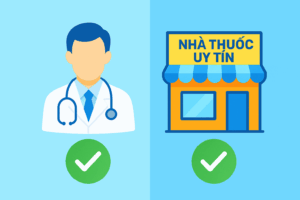
Depending on whether the risk is high or low, different individuals will have suitable medications based on their health status, gender, and weight to optimize treatment. The choice of PEP medication only has general principles and cannot be applied to all patients. Therefore, professional medical guidance is needed to achieve the best treatment outcome.
Furthermore, patients need to choose to buy medicine at a pharmacy with a good reputation and standard quality to avoid “losing money and gaining illness.” Especially since the issue of counterfeit drugs is still not strictly controlled. The best choice is to buy medicine at a hospital pharmacy or large reputable pharmacy chains.
Finally, it is important to note that PEP is also safe for pregnant and breastfeeding women. If you are in this situation, do not refuse PEP due to fear of side effects – inform your healthcare provider so they can choose the most suitable medication (safe for both mother and baby).
This article is written by Dr Đỗ Hữu Đạt. The doctor has many years of in-depth experience in reproductive and sexual health care.
Related news
Hepatitis C: Do Not Ignore It!
Hepatitis C is a liver inflammation caused by the Hepatitis C virus (HCV). You can contract the virus through contact with infected blood. Most people with HCV have no symptoms. Crucial Fact: There is currently no vaccine for Hepatitis C. The best prevention is avoiding high-risk behaviors. However, testing and treatment can prevent complications and […]
Hepatitis B: A Comprehensive Guide
Hepatitis B is a liver disease caused by the Hepatitis B Virus (HBV). Infection can be short-term (acute) or long-term (chronic). One in two people with Hepatitis B do not know they are infected. HBV is highly contagious and spreads through contact with infected blood and body fluids. Vaccination is the best way to prevent […]
The Invisible Enemy: Chlamydia in Women and the Silent Threat of Infertility
Most of us tend to think that if there are no unusual symptoms, the body is perfectly healthy. However, the truth is that there is an invisible ‘enemy’ silently hiding in your body, capable of causing serious consequences, even infertility. That is Chlamydia, one of the most common sexually transmitted diseases (STDs) in women. Chlamydia […]
Urinary Tract Infection-UTI
Urinary Tract Infection (UTI), also known as urinary tract infection or urinary infection, is one of the most common infections globally, affecting millions each year worldwide, with a significant financial burden on society. The disease occurs when bacteria invade any part of the urinary system, including the kidneys, ureters, bladder, and urethra. Although usually treatable, […]
Syphilis Testing: Current Methods, Pros & Cons, and What You Need to Know
Syphilis is one of the common sexually transmitted infections (STIs) that can progress silently but leave serious consequences if not detected and treated promptly. Regular syphilis testing helps with early diagnosis, protecting your health and that of your partner. This article will help you understand the current syphilis testing methods, the pros and cons of […]

Persistent Sore Throat That Won’t Go Away? Do Not Ignore It – You Might Have Chlamydia!
Have you ever had a sore throat that dragged on for weeks, visiting multiple doctors without finding the cause? Even antibiotics didn’t help? It is very likely that the culprit is not the flu, a virus, or common bacteria – but a sexually transmitted infection called Chlamydia. Chlamydia doesn’t just “hide” in the genital area. […]
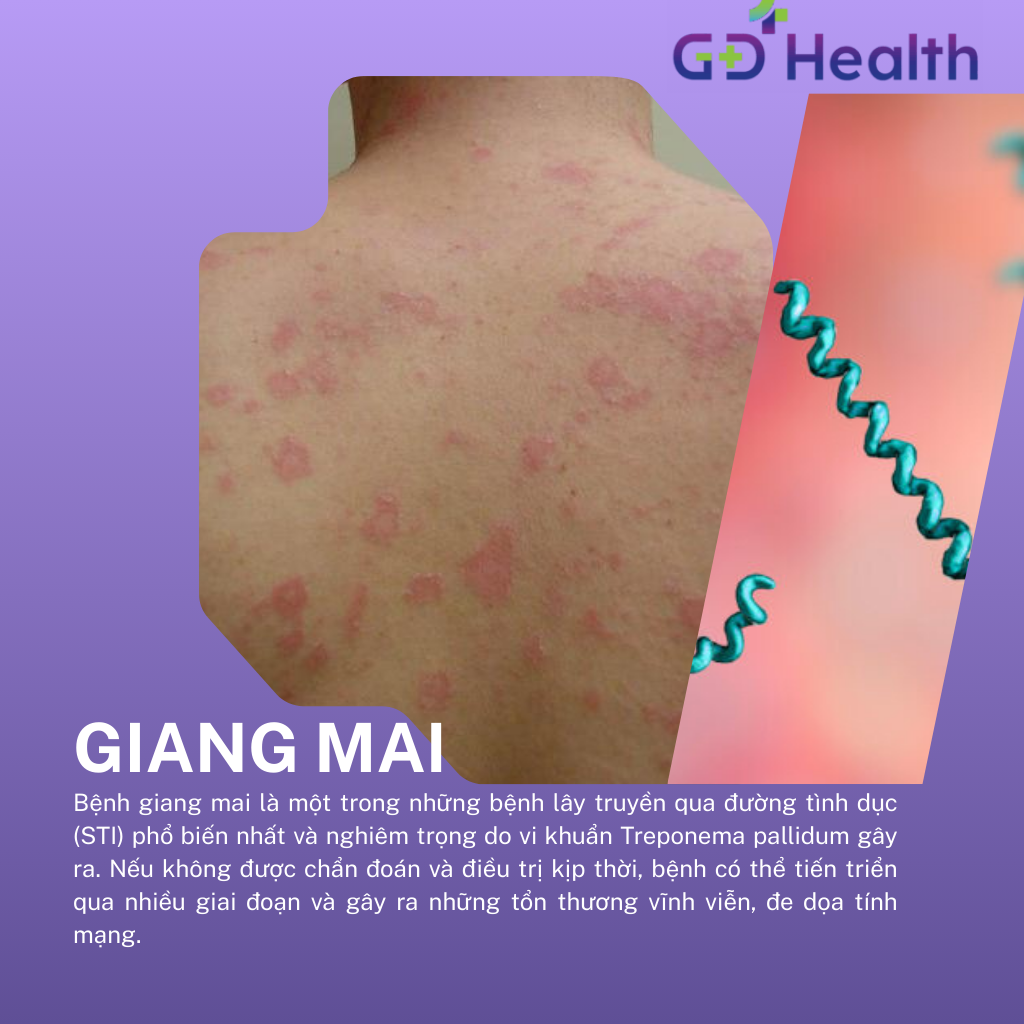
Syphilis Overview
Syphilis is one of the most common and serious Sexually Transmitted Infections (STIs), caused by the bacterium Treponema pallidum. If not diagnosed and treated promptly, the disease can progress through multiple stages, causing permanent damage and threatening life. 1. What is Syphilis?? Syphilis is an infection caused by the spirochete bacterium Treponema pallidum. The disease can […]

Chlamydia: A Comprehensive Overview
Chlamydia is one of the most common Sexually Transmitted Infections (STIs) worldwide, caused by the bacterium Chlamydia trachomatis. It is preventable and curable, spreading mainly through unprotected vaginal, oral, and anal sex. 1. What is Chlamydia? Chlamydia is a common sexually transmitted infection (STI) that can occur in both men and women, caused by the […]
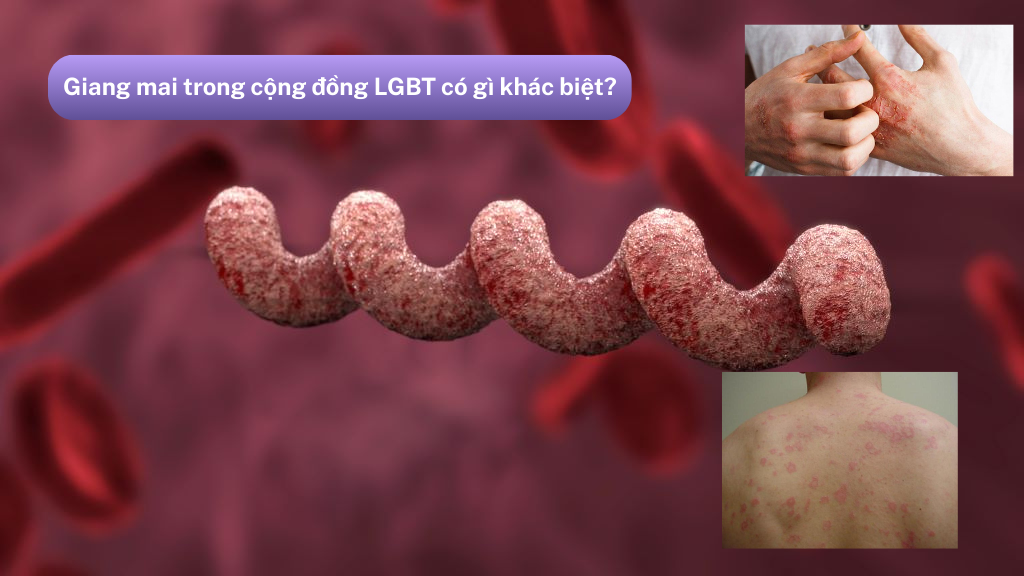
Syphilis in the LGBT Community: Are Signs, Symptoms, and Treatment Different?
1. Syphilis and the LGBT Community? Syphilis is a sexually transmitted infection (STI) caused by the bacterium Treponema pallidum. Although it affects all population groups, the rate of syphilis infection is higher in the LGBT community, especially among men who have sex with men (MSM), due to certain sexual behavioral characteristics and barriers to healthcare access. […]
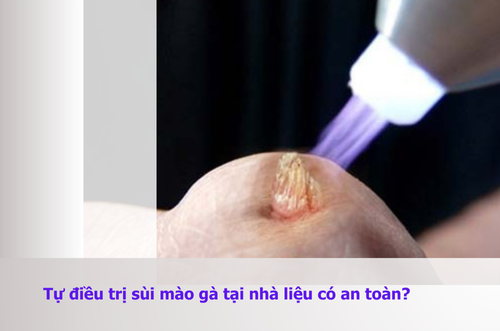
Can Genital Warts Be Treated at Home?
1. What are Genital Warts? Genital warts, also called venereal warts or anogenital warts, are a common sexually transmitted infection (STIs) caused by the Human Papillomavirus (HPV). Although most HPV infections are clinically asymptomatic, HPV types 6 and 11 are responsible for about 90% of visible genital wart cases. It is important to note that other HPV types, […]