




Submit your info or message us on Zalo or Messenger
Anal Gonorrhea – Symptoms Often Overlooked in Men Who Have Sex with Men (MSM)
Health bulletin
25/08/2025
Anal-Rectal Gonorrhea: When the ‘Silent Pain’ is Forgotten
Gonorrhea, one of the most common sexually transmitted infections (STIs), is no longer an unfamiliar concept. However, when it comes to anal or rectal gonorrhea, many people are still vague or even mistaken. But if you are a gay man or engage in anal sex, this is a topic that cannot be ignored. Gonorrhea does not only appear in the genitals. A silent and easily missed form of infection is anal-rectal gonorrhea, which is particularly common in the group of men who have sex with men (MSM). The majority of anal gonorrhea cases have no clear symptoms, leading many people to be completely unaware that they are carrying the disease, continuing to spread it to partners and causing dangerous complications.
1. What is Anal Gonorrhea?
Anal gonorrhea is an infection caused by the bacterium Neisseria gonorrhoeae in the mucous membrane of the anus and rectum. Although it is a form of gonorrhea, anal gonorrhea often lacks the clear and typical symptoms seen in genital gonorrhea, making it easy for patients to overlook. This is especially dangerous because the bacteria can spread to other areas of the body or continue to infect sexual partners unknowingly. This bacterium is transmitted through anal sex without a condom, even with only external contact or without ejaculation. Unlike other genital gonorrhea, which is often easily recognized by typical symptoms like pus discharge and painful urination (dysuria), gonorrhea in the anus is extremely ‘silent.’ According to the U.S. CDC, over 80% of rectal gonorrhea cases in MSM are asymptomatic.
2. Why are MSM more susceptible to Anal Gonorrhea?
- Anal sex is a common practice among MSM: This is the main route of transmission; the gonorrhea bacteria spread primarily through direct contact between moist mucous membranes during sexual intercourse. When having unprotected sex, bacteria from the penis can penetrate the anal lining, causing infection.
- Small abrasions during anal sex easily create conditions for bacteria to enter.
- Lack of regular check-ups: Due to the lack of symptoms, many people do not get tested in the anal area.
- Stigma and hesitation: Many people in the MSM community feel reluctant, even ashamed, to talk about their sexual health with doctors or friends. This silence makes early detection and treatment difficult, increasing the risk of spread and complications of the disease.
=> This allows the disease to spread silently within the community.
3. Easily Overlooked Symptoms of Anal Gonorrhea:
Quite few people with anal-rectal gonorrhea will have clear symptoms; the majority either do not notice or mistake them for hemorrhoids, constipation, or mild digestive disorders. Below are the signs that are often missed:
- Pain and discomfort in the anus: A burning, hot, or uncomfortable sensation in the anal area is one of the common signs. However, the intensity can range from dull to severe.
- Itching and irritation: A persistent itching sensation in the anus, sometimes accompanied by a pricking feeling. This symptom is easily confused with hemorrhoids or common allergies, so it is often overlooked.
- Abnormal discharge: This is a very important sign. The discharge may be yellow, green, or slightly white, often with a foul odor. The amount of discharge may be small and only appear when using the restroom or during vigorous activity.
- Rectal bleeding: Some cases may experience bleeding during bowel movements or even without passing stool. The amount of blood is usually small, possibly just streaks of fresh blood on the toilet paper.
- Pain during defecation: Anal gonorrhea can cause inflammation and ulceration, making defecation painful and difficult.
- Feeling of continuous urge to defecate (Tenesmus): Inflammation of the rectum can cause a ‘straining’ sensation or the feeling of incomplete emptying, even when the rectum is empty. This is a lesser-known but very common symptom.
- Redness and swelling in the anal area.
- Occasionally, swollen lymph nodes in the groin or a low-grade fever.
Many people with anal gonorrhea have no clear symptoms at all. This causes them to inadvertently become a source of infection for their sexual partners. Therefore, regular testing is extremely important, especially for those with diverse sexual lifestyles. Furthermore, symptoms can be very subtle, lasting for many weeks without disappearing, leading to chronic proctitis or widespread infection.
4. What Happens When Anal Gonorrhea is Left Untreated?
Despite being silent, if not detected and treated promptly, anal gonorrhea can cause serious complications:
- Pus-filled inflammation of the anus-rectum, perianal abscess.
- Swollen lymph nodes in the groin, high fever, blood infection (sepsis).
- Upward migration of bacteria causing infection of the high rectum and sigmoid colon.
- Increased risk of HIV infection by 2–5 times due to mucosal damage. One study showed that MSM infected with rectal gonorrhea increased their risk of HIV infection nearly 4-fold compared to uninfected individuals.
- Chronic pelvic pain.
5. How is Anal Gonorrhea Detected?
If you suspect you have symptoms of anal gonorrhea, the first thing to do is seek help from a healthcare professional. Bacterial testing, especially PCR testing, is currently the gold standard. The specimen will be collected from anal discharge, which is extremely simple and painless. Many people are not tested in the anal area because they do not report their receptive sexual behavior, leading to completely missed rectal gonorrhea in the diagnosis.
6. Treatment of Anal Gonorrhea:
Like other genital gonorrhea, anal-rectal gonorrhea can be completely cured with antibiotics, if diagnosed early and treated correctly.
Note:
- Do not arbitrarily use antibiotics, as this can easily cause drug-resistant gonorrhea, making treatment more difficult.
- Treat sexual partners from the last 60 days, even if they have no symptoms.
7. Anal Gonorrhea Can Be Re-infected: Prevention is Key
Gonorrhea does not confer immunity, so re-infection is common if protection is not used. Effective prevention methods:
- Always use a condom during anal sex.
- Use water-based lubricant to reduce trauma.
- Get regular STI testing, at least every 3–6 months if you have multiple partners.
- Encourage self-reporting of sexual behavior during medical visits.
- If you use PrEP for HIV prevention, remember that PrEP does not prevent gonorrhea, so regular gonorrhea testing is still needed.
8. Psychology and Stigma – Major Barriers to Prevention:
Many MSM are still hesitant to talk about anal sex with doctors, fearing judgment or stigma. This leads to:
- Not receiving appropriate testing advice.
- Anal gonorrhea is not detected.
- No early treatment.
9. Conclusion: Don’t Let the ‘Silent Disease’ Undermine Public Health
Anal gonorrhea is a serious health issue that is preventable and treatable. The important thing is to overcome hesitation, listen to your body, and proactively seek regular health check-ups. Don’t let silence become a barrier that prevents you from accessing a healthy and safe life. Equip yourself with solid knowledge to protect yourself and those you love. If you are MSM – do not hesitate to get regular anal testing. If you are a healthcare worker – ask about sexual behavior in a non-judgmental way. Because only then can we detect early, treat promptly, and prevent further spread.
This article is written by BS. CKI. Võ Nguyễn Duy Hoà, a specialist in General Surgery, Urology, and Andrology. The doctor has many years of experience in the field of reproductive and sexual health.
Reference
- [1]. CDC – Sexually Transmitted Infections Treatment Guidelines, 2021
https://www.cdc.gov/std/treatment-guidelines/default.htm - [2]. WHO – Guidelines for the management of symptomatic sexually transmitted infections
https://www.who.int/publications/i/item/9789240024168 - [3]. ƯỚNG DẪN CHẨN ĐOÁN VÀ ĐIỀU TRỊ BỆNH LẬU
(Ban hành kèm theo Quyết định số 5165/QĐ-BYT ngày 09 tháng 11 năm 2021)
Related news
Hepatitis C: Do Not Ignore It!
Hepatitis C is a liver inflammation caused by the Hepatitis C virus (HCV). You can contract the virus through contact with infected blood. Most people with HCV have no symptoms. Crucial Fact: There is currently no vaccine for Hepatitis C. The best prevention is avoiding high-risk behaviors. However, testing and treatment can prevent complications and […]
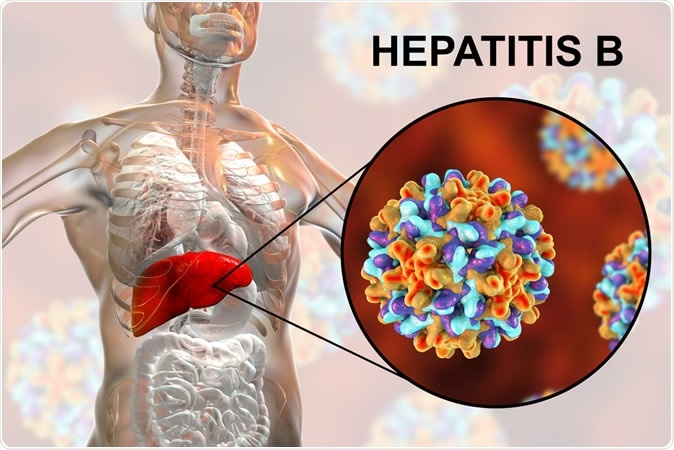
Hepatitis B: A Comprehensive Guide
Hepatitis B is a liver disease caused by the Hepatitis B Virus (HBV). Infection can be short-term (acute) or long-term (chronic). One in two people with Hepatitis B do not know they are infected. HBV is highly contagious and spreads through contact with infected blood and body fluids. Vaccination is the best way to prevent […]
The Invisible Enemy: Chlamydia in Women and the Silent Threat of Infertility
Most of us tend to think that if there are no unusual symptoms, the body is perfectly healthy. However, the truth is that there is an invisible ‘enemy’ silently hiding in your body, capable of causing serious consequences, even infertility. That is Chlamydia, one of the most common sexually transmitted diseases (STDs) in women. Chlamydia […]
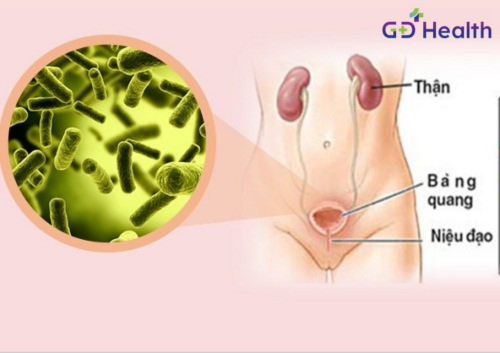
Urinary Tract Infection-UTI
Urinary Tract Infection (UTI), also known as urinary tract infection or urinary infection, is one of the most common infections globally, affecting millions each year worldwide, with a significant financial burden on society. The disease occurs when bacteria invade any part of the urinary system, including the kidneys, ureters, bladder, and urethra. Although usually treatable, […]
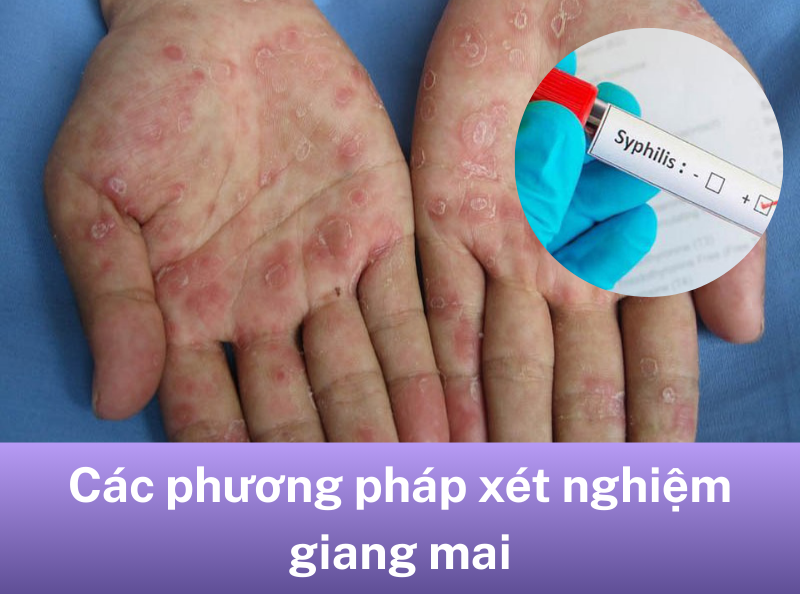
Syphilis Testing: Current Methods, Pros & Cons, and What You Need to Know
Syphilis is one of the common sexually transmitted infections (STIs) that can progress silently but leave serious consequences if not detected and treated promptly. Regular syphilis testing helps with early diagnosis, protecting your health and that of your partner. This article will help you understand the current syphilis testing methods, the pros and cons of […]

Persistent Sore Throat That Won’t Go Away? Do Not Ignore It – You Might Have Chlamydia!
Have you ever had a sore throat that dragged on for weeks, visiting multiple doctors without finding the cause? Even antibiotics didn’t help? It is very likely that the culprit is not the flu, a virus, or common bacteria – but a sexually transmitted infection called Chlamydia. Chlamydia doesn’t just “hide” in the genital area. […]
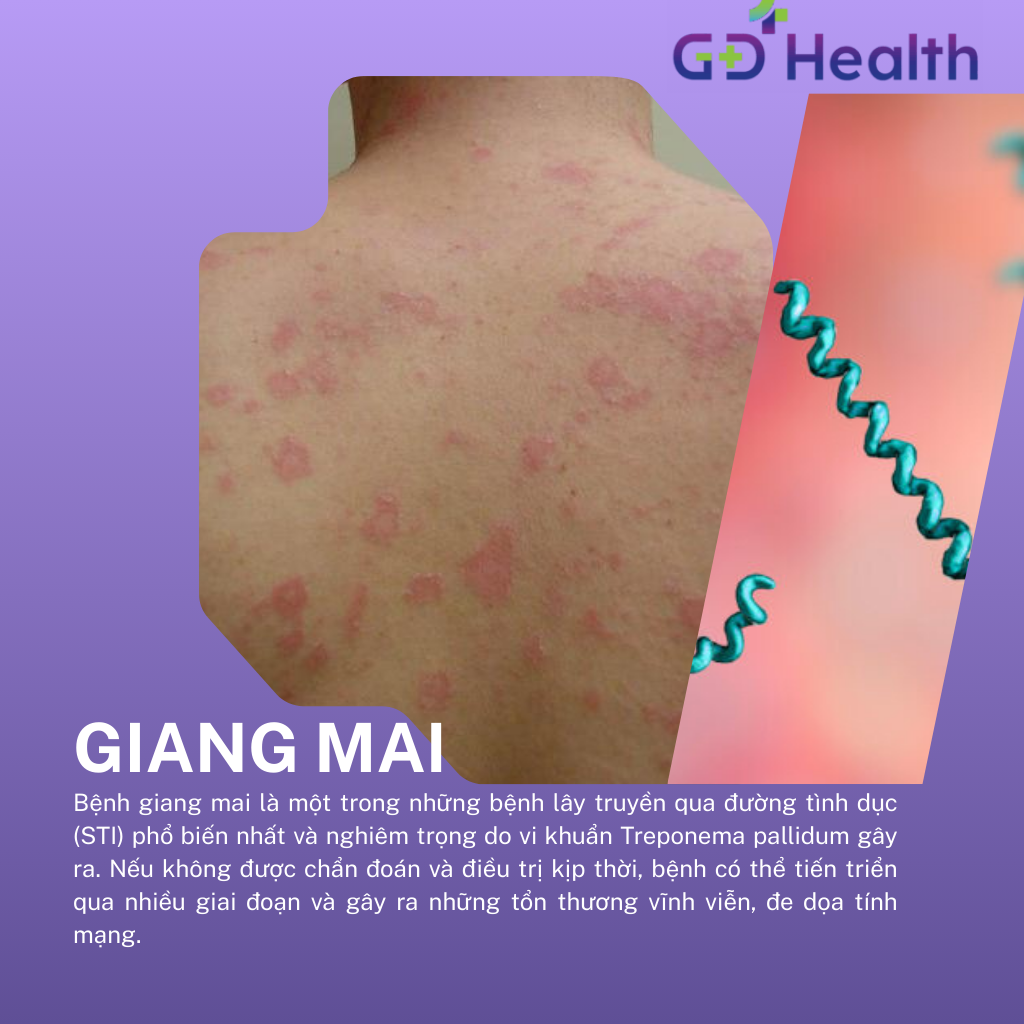
Syphilis Overview
Syphilis is one of the most common and serious Sexually Transmitted Infections (STIs), caused by the bacterium Treponema pallidum. If not diagnosed and treated promptly, the disease can progress through multiple stages, causing permanent damage and threatening life. 1. What is Syphilis?? Syphilis is an infection caused by the spirochete bacterium Treponema pallidum. The disease can […]
Chlamydia: A Comprehensive Overview
Chlamydia is one of the most common Sexually Transmitted Infections (STIs) worldwide, caused by the bacterium Chlamydia trachomatis. It is preventable and curable, spreading mainly through unprotected vaginal, oral, and anal sex. 1. What is Chlamydia? Chlamydia is a common sexually transmitted infection (STI) that can occur in both men and women, caused by the […]
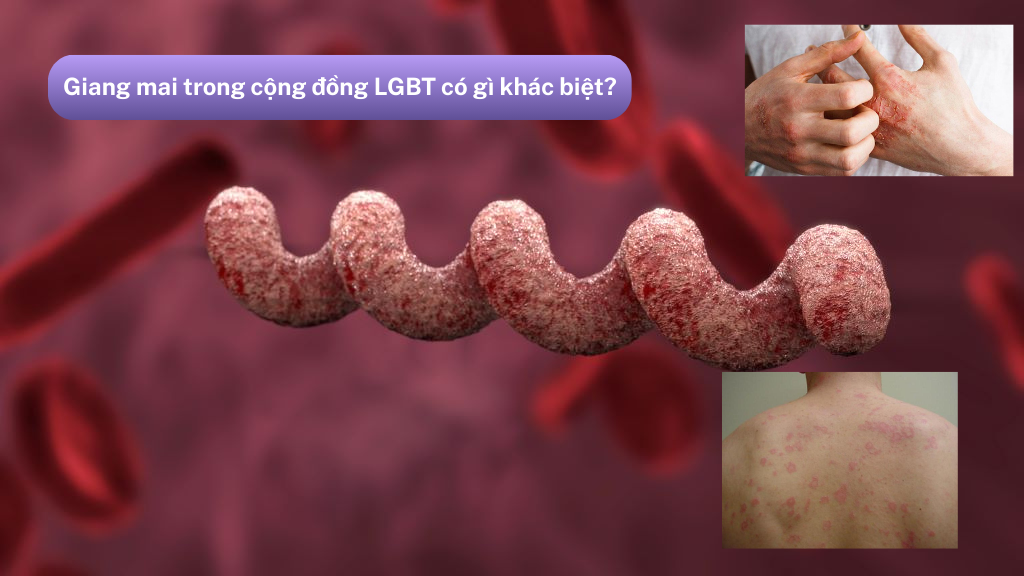
Syphilis in the LGBT Community: Are Signs, Symptoms, and Treatment Different?
1. Syphilis and the LGBT Community? Syphilis is a sexually transmitted infection (STI) caused by the bacterium Treponema pallidum. Although it affects all population groups, the rate of syphilis infection is higher in the LGBT community, especially among men who have sex with men (MSM), due to certain sexual behavioral characteristics and barriers to healthcare access. […]

Can Genital Warts Be Treated at Home?
1. What are Genital Warts? Genital warts, also called venereal warts or anogenital warts, are a common sexually transmitted infection (STIs) caused by the Human Papillomavirus (HPV). Although most HPV infections are clinically asymptomatic, HPV types 6 and 11 are responsible for about 90% of visible genital wart cases. It is important to note that other HPV types, […]