




Submit your info or message us on Zalo or Messenger
The Importance of Accurate Testing and Treatment in Gynecological Issues
Health bulletin
08/08/2025
Introduction
In daily life, many women, when facing gynecological issues such as abnormal discharge, pain, or vaginal itching, often tend to buy over-the-counter medication at the pharmacy or rely on personal experience to guess the cause and treat it. We understand that these issues can make you feel shy or anxious, but gynecological care is a crucial part of maintaining overall health. Self-treatment without testing or diagnosis from a doctor can lead to serious risks, from treating the wrong disease to aggravating the health condition. This article will clarify the importance of accurate testing and treatment in gynecological issues, while also introducing specialized testing packages to support women in taking care of their health effectively.

The Importance of Accurate Diagnosis
Accurate diagnosis is the core factor for effective treatment of gynecological issues. Symptoms such as abnormal discharge, pelvic pain, or itching can be signs of many different conditions, from common infections like bacterial or yeast vaginitis, to more serious diseases like Pelvic Inflammatory Disease (PID) or cervical cancer. According to the Centers for Disease Control and Prevention (CDC), recognizing abnormal symptoms and seeking timely medical consultation is very important for early detection and treatment of gynecological cancers, such as cervical, uterine, or ovarian cancer (CDC, 2025). The World Health Organization (WHO) also emphasizes that cervical cancer is one of the types of cancer that can be prevented and treated effectively if detected early through screening tests like the Pap test or HPV testing (WHO, 2022). For example, in Vietnam, cervical cancer is the second most common cancer in women, with about 6,000 cases diagnosed each year, and more than half of them do not survive due to late detection. Regular testing, especially for women over 21 or who have been sexually active, can help detect problems early and prevent serious complications, including infertility. Accurate diagnosis not only helps identify the specific cause of the symptoms but also ensures that you receive the appropriate treatment method, avoiding wasted time and money on ineffective measures. Furthermore, specialized tests can detect conditions without obvious symptoms, helping prevent long-term health problems.
The Risks of Self-Treating Gynecological Diseases
Self-treatment, although seemingly convenient, can pose many serious risks to gynecological health. Below are some main risks:
- Misdiagnosis: Symptoms such as abnormal discharge can appear in many different diseases, but guessing the illness based on the color or consistency of the discharge is often inaccurate. For example, white discharge can be caused by a yeast infection, but it can also be a sign of bacterial infection or other pathologies. Misdiagnosis can lead to the use of inappropriate medication, preventing the condition from improving.
- Delay in Proper Treatment: When self-treatment is ineffective, many women may delay seeking professional medical care. This can allow the disease to progress, causing more serious complications, such as Pelvic Inflammatory Disease or permanent damage to reproductive organs.
- Side Effects and Drug Interactions: Using over-the-counter medication or medication not prescribed by a doctor can cause serious side effects. Additionally, self-bought medication can interact with other drugs you are using, leading to undesirable effects.
- Masking Serious Illness: Self-treatment can temporarily reduce symptoms, but this may mask the signs of a serious illness, such as cancer or severe infection, making later diagnosis and treatment more difficult.
- Risk of Drug Abuse: According to a study published in the journal Drug Safety, self-treatment can lead to incorrect dosing, prolonged use, or even abuse of medication, causing other health problems (Hughes et al., 2001).
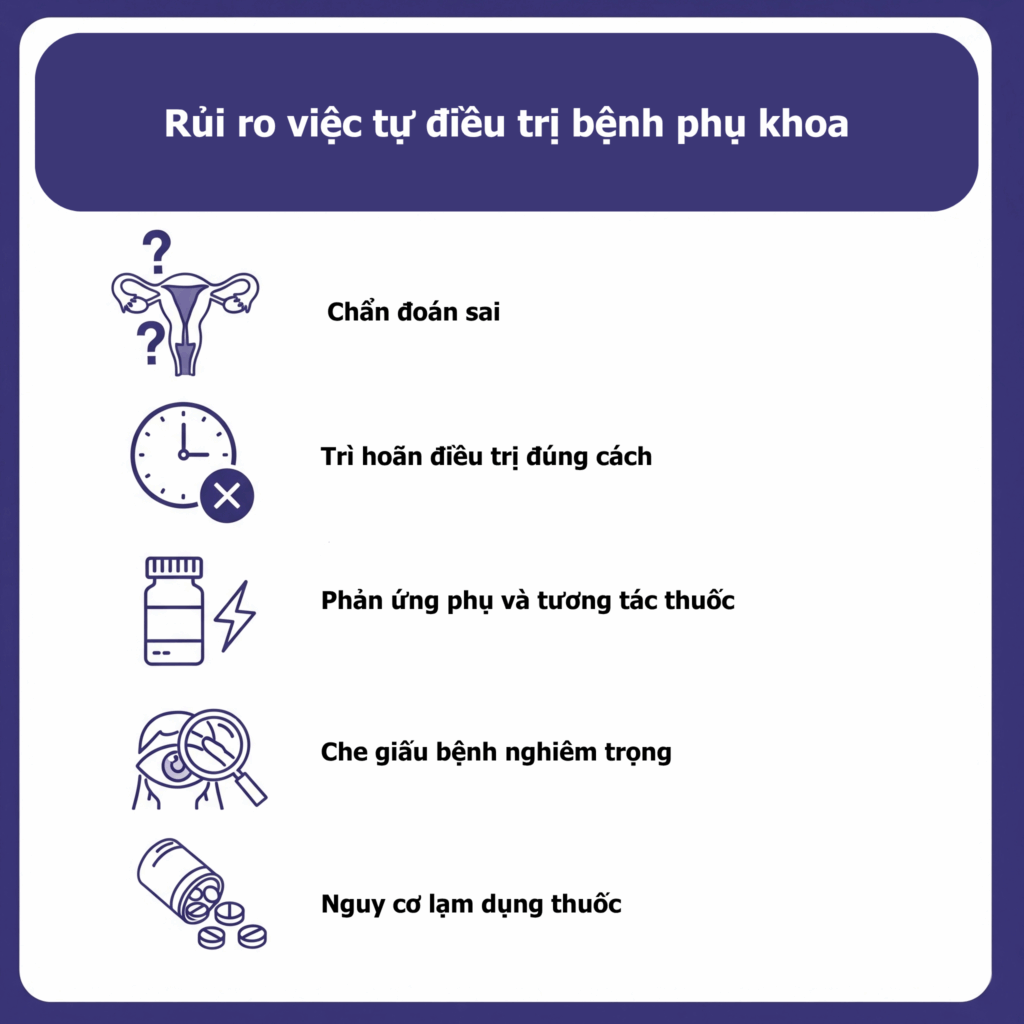
These risks are especially serious in gynecological issues, as symptoms are often complex and can be related to many different causes. Self-treatment not only slows down the recovery process but can also cause long-term harm to reproductive health.
Available Testing Packages
To support women in accurate diagnosis and treatment, we offer a range of testing packages designed to suit the diverse needs of each individual. These testing packages help identify the cause of gynecological symptoms and ensure you receive the most appropriate treatment method. Below is detailed information about the testing packages:
|
Testing packages |
Description | Suitable Target Audience |
|---|---|---|
| Screening for 4 of the most common and dangerous STIs in Vietnam: HIV, Gonorrhea, Syphilis, and Chlamydia. | Women who are at risk of STI infection or who want a routine health check-up. | |
| Screening for 15 STIs, including HIV, Gonorrhea, Syphilis, Chlamydia, and many others. | Women at high risk or who want a more comprehensive check-up for sexually transmitted diseases. | |
| Screening for 17 STIs, which is the most comprehensive testing package currently available (as of July 2025). | Women who want a complete check-up of their reproductive health and STIs. | |
| Screening for 16 HPV strains that cause genital warts in both men and women, as well as cervical cancer in women. | Women who want to check their risk for cervical cancer or other HPV-related diseases. | |
| For those who are not at risk of STI infection but experience abnormal symptoms such as unusual discharge, pain, or vaginal itching. | Women with gynecological symptoms but who do not suspect an STI infection. | |
| For those who experience abnormal and recurrent symptoms despite treatment, to help determine the cause and the most appropriate medication. | Women with recurrent or difficult-to-treat gynecological symptoms. |
These testing packages are designed to provide accurate information, helping doctors make the correct diagnosis and propose effective treatment methods. By choosing the appropriate testing package, you can be assured about your health and avoid the risks of self-treatment.
Conclusion
Gynecological health is an indispensable part of a woman’s overall healthcare. We understand that facing gynecological issues can cause anxiety or shyness, but seeking professional medical care is a crucial step in protecting your health. Accurate diagnosis and treatment not only help prevent serious complications but also improve the quality of life. If you are experiencing abnormal symptoms such as discharge, burning, or vaginal itching, consider performing specialized tests to determine the cause and receive appropriate care. The testing packages listed above are a convenient and reliable option to support you on your healthcare journey. Prioritize your health, as it is the most valuable asset you possess.

Nếu bạn đang gặp các triệu chứng bất thường như khí hư, đau rát, hoặc ngứa âm đạo, hãy cân nhắc thực hiện các xét nghiệm chuyên biệt để xác định nguyên nhân và nhận được sự chăm sóc phù hợp. Các gói xét nghiệm được liệt kê ở trên là một lựa chọn tiện lợi và đáng tin cậy để hỗ trợ bạn trong hành trình chăm sóc sức khỏe. Hãy ưu tiên sức khỏe của mình, vì đó là tài sản quý giá nhất mà bạn sở hữu.
This article is written by Dr Đỗ Hữu Đạt. The doctor has many years of in-depth experience in reproductive and sexual health care.
Reference
[1]. Centers for Disease Control and Prevention. (2025). Gynecologic Cancer Awareness. Available from: https://www.cdc.gov/cancer/features/gynecologic-cancer.html
[2]. Hughes CM, McElnay JC, Fleming GF. (2001). Benefits and risks of self medication. Drug Safety, 24(14), 1025-1037. doi: 10.2165/00002018-200124140-00002
[3]. World Health Organization. (2022). Cervical cancer. Available from: https://www.who.int/health-topics/cervical-cancer
Related news

Hepatitis C: Do Not Ignore It!
Hepatitis C is a liver inflammation caused by the Hepatitis C virus (HCV). You can contract the virus through contact with infected blood. Most people with HCV have no symptoms. Crucial Fact: There is currently no vaccine for Hepatitis C. The best prevention is avoiding high-risk behaviors. However, testing and treatment can prevent complications and […]
Hepatitis B: A Comprehensive Guide
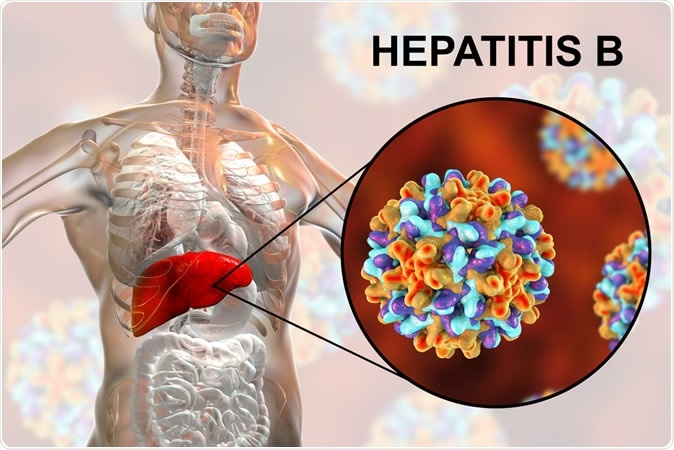
Hepatitis B is a liver disease caused by the Hepatitis B Virus (HBV). Infection can be short-term (acute) or long-term (chronic). One in two people with Hepatitis B do not know they are infected. HBV is highly contagious and spreads through contact with infected blood and body fluids. Vaccination is the best way to prevent […]
The Invisible Enemy: Chlamydia in Women and the Silent Threat of Infertility
Most of us tend to think that if there are no unusual symptoms, the body is perfectly healthy. However, the truth is that there is an invisible ‘enemy’ silently hiding in your body, capable of causing serious consequences, even infertility. That is Chlamydia, one of the most common sexually transmitted diseases (STDs) in women. Chlamydia […]
Urinary Tract Infection-UTI
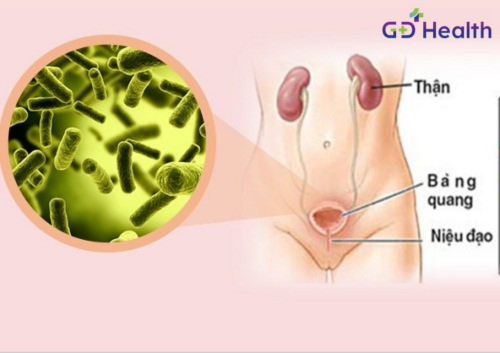
Urinary Tract Infection (UTI), also known as urinary tract infection or urinary infection, is one of the most common infections globally, affecting millions each year worldwide, with a significant financial burden on society. The disease occurs when bacteria invade any part of the urinary system, including the kidneys, ureters, bladder, and urethra. Although usually treatable, […]
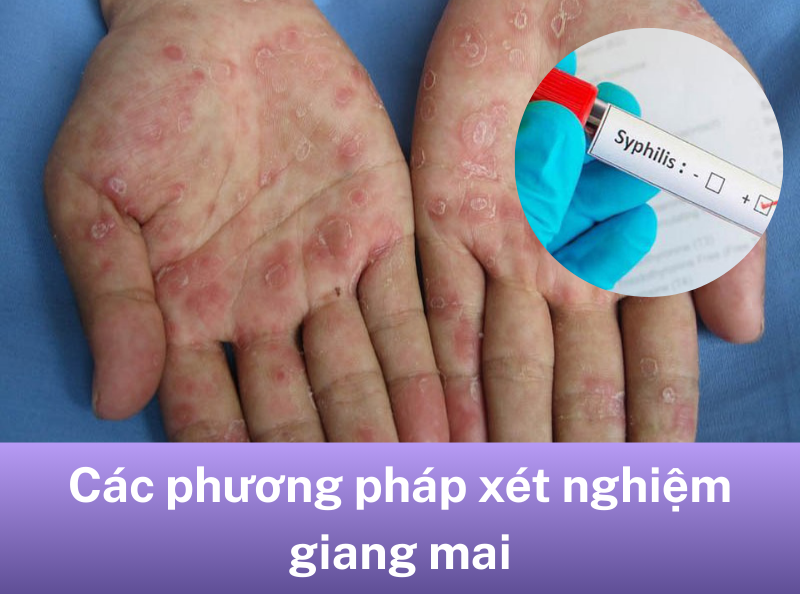
Syphilis Testing: Current Methods, Pros & Cons, and What You Need to Know
Syphilis is one of the common sexually transmitted infections (STIs) that can progress silently but leave serious consequences if not detected and treated promptly. Regular syphilis testing helps with early diagnosis, protecting your health and that of your partner. This article will help you understand the current syphilis testing methods, the pros and cons of […]

Persistent Sore Throat That Won’t Go Away? Do Not Ignore It – You Might Have Chlamydia!
Have you ever had a sore throat that dragged on for weeks, visiting multiple doctors without finding the cause? Even antibiotics didn’t help? It is very likely that the culprit is not the flu, a virus, or common bacteria – but a sexually transmitted infection called Chlamydia. Chlamydia doesn’t just “hide” in the genital area. […]
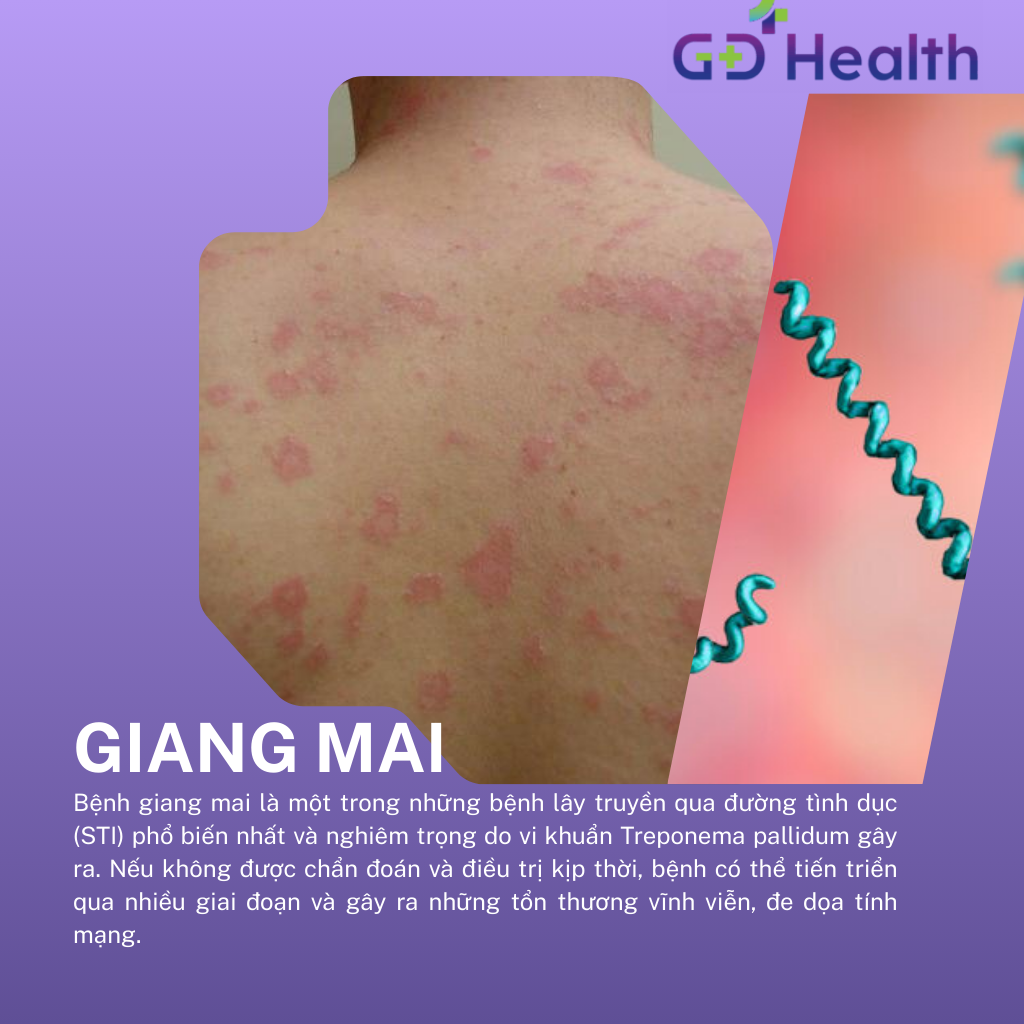
Syphilis Overview
Syphilis is one of the most common and serious Sexually Transmitted Infections (STIs), caused by the bacterium Treponema pallidum. If not diagnosed and treated promptly, the disease can progress through multiple stages, causing permanent damage and threatening life. 1. What is Syphilis?? Syphilis is an infection caused by the spirochete bacterium Treponema pallidum. The disease can […]

Chlamydia: A Comprehensive Overview
Chlamydia is one of the most common Sexually Transmitted Infections (STIs) worldwide, caused by the bacterium Chlamydia trachomatis. It is preventable and curable, spreading mainly through unprotected vaginal, oral, and anal sex. 1. What is Chlamydia? Chlamydia is a common sexually transmitted infection (STI) that can occur in both men and women, caused by the […]
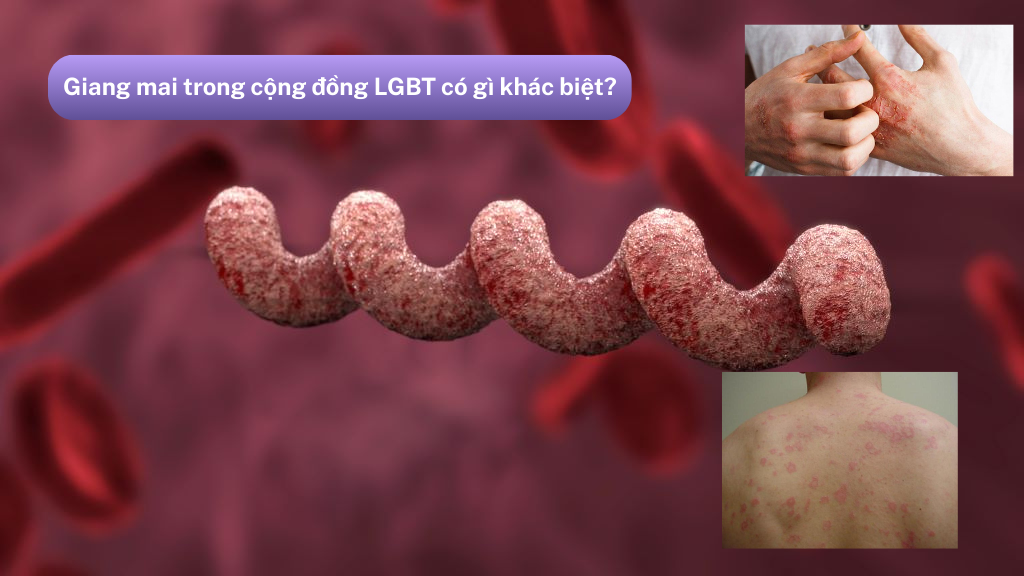
Syphilis in the LGBT Community: Are Signs, Symptoms, and Treatment Different?
1. Syphilis and the LGBT Community? Syphilis is a sexually transmitted infection (STI) caused by the bacterium Treponema pallidum. Although it affects all population groups, the rate of syphilis infection is higher in the LGBT community, especially among men who have sex with men (MSM), due to certain sexual behavioral characteristics and barriers to healthcare access. […]

Can Genital Warts Be Treated at Home?
1. What are Genital Warts? Genital warts, also called venereal warts or anogenital warts, are a common sexually transmitted infection (STIs) caused by the Human Papillomavirus (HPV). Although most HPV infections are clinically asymptomatic, HPV types 6 and 11 are responsible for about 90% of visible genital wart cases. It is important to note that other HPV types, […]